National Dish Iceland: Laufabrauð (Recipe)
In this article
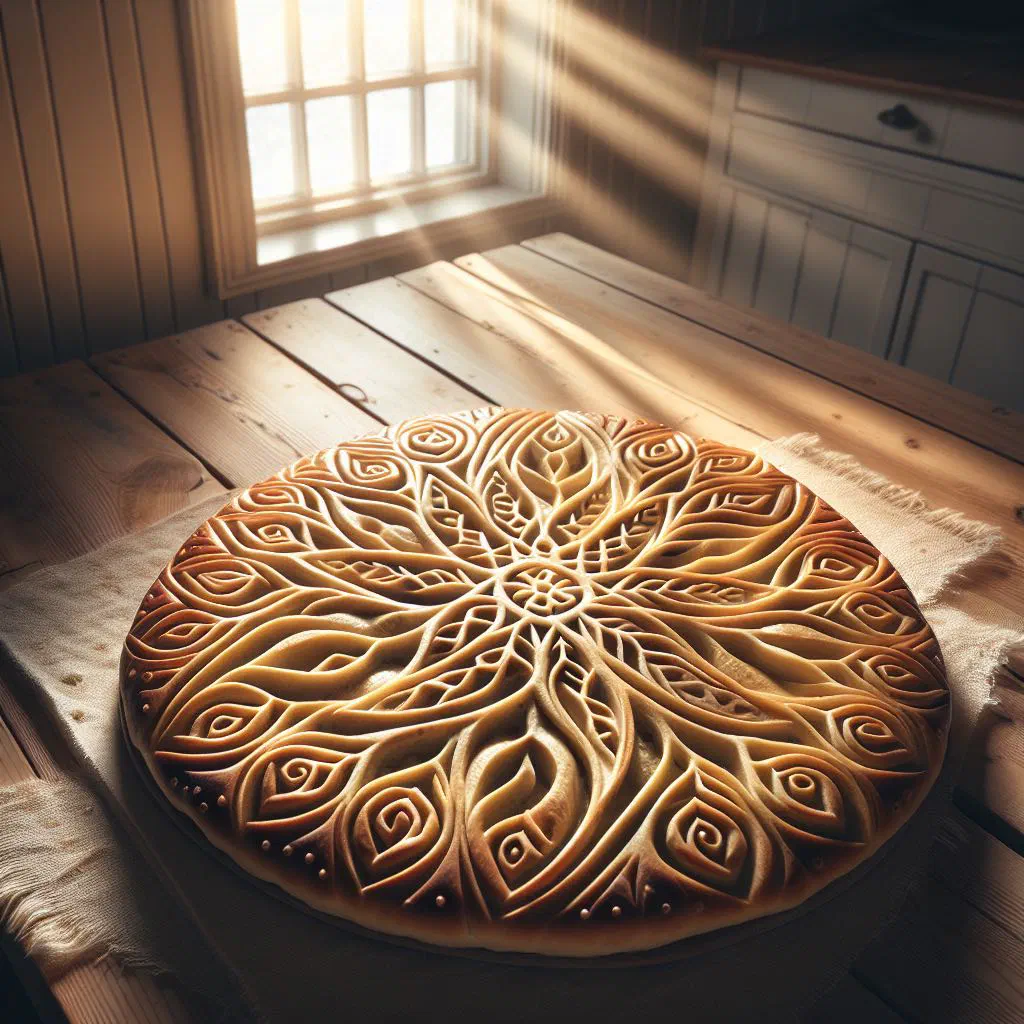
Few things say Icelandic Christmas quite like Laufabrauð. This wafer-thin “leaf bread” is rolled out until it is almost translucent, then carved with lacy geometric patterns before being fried to a crisp, golden finish. Made from nothing more than flour, water and salt, it turns the simplest of pantry staples into something close to edible artwork, and the carving evening, shared with family around the kitchen table, is as much part of the tradition as the bread itself.
About Laufabrauð
Laufabrauð, sometimes called snow bread, is a traditional Icelandic bread prepared during the winter festive season. Its fine, delicate texture and its intricately carved patterns make it a strikingly beautiful thing to serve. It appears above all at special occasions, usually alongside festive dishes such as Icelandic Leg of Lamb. Making Laufabrauð is a culinary pleasure and a sign of how closely Icelanders remain bound to their traditions.
Ingredients (serves 1–2)
- 250 g plain flour
- 1 teaspoon salt
- 150 ml water
- A little oil, for frying
Shopping for the ingredients
To make Laufabrauð you need only a handful of simple but essential ingredients. Make a point of buying fresh flour, as it gives the best texture once the bread is fried. The salt should be un-iodised, since iodised salt can affect the flavour. A trip to your local supermarket or health food shop will make sure you get everything you need in the best possible quality.
Preparing the dish
Getting Laufabrauð ready is straightforward and takes very little time. Mix the dry ingredients together in a large bowl before adding the water a little at a time. Knead the dough generously until it is smooth and easy to shape. For the decorative patterns you will also want a few special tools, which are easy enough to find in the shops or online.
Step-by-step instructions
- Combine the flour and salt in a bowl.
- Add the water gradually, stirring well as you go.
- Knead the dough on a floured surface until smooth.
- Divide the dough into small portions and roll each one out very thinly.
- Decorate the rolled-out discs with a traditional carved pattern.
- Heat a little oil in a pan and fry the bread until golden on both sides.
- Drain the Laufabrauð on kitchen paper.
Gluten-free / lactose-free version
For a gluten-free version of Laufabrauð you can use a gluten-free flour with a texture close to that of ordinary flour. Blends of rice and almond flour often work particularly well. Do check that your other ingredients are lactose-free too if you are avoiding dairy. In principle the preparation stays simple, as long as you choose the right ingredients and follow each step carefully.
Tips for vegans and vegetarians
Laufabrauð is naturally vegan, since it consists of nothing but flour, water and salt. That makes it a superb choice for plant-based diets. Another advantage is that no animal products at all are needed to make this delicious bread. Do experiment with different spices or herbs to give the dough a character of its own.
More tips and tricks
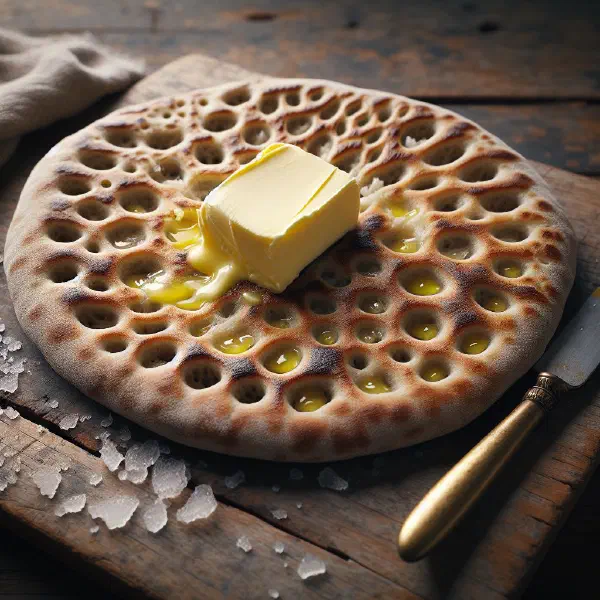
To bake perfect Laufabrauð, take care not to roll the dough out too thickly. Ideally it should be very thin indeed, so that the characteristic patterns remain visible after frying. Use a sharp knife or purpose-made cutters for the decoration. Frying the Laufabrauð in a properly hot pan gives it that wonderfully crisp surface, much the same knack that makes a good Flatbraud with Butter so satisfying.
Adapting the recipe to your taste
The basic Laufabrauð recipe is easy to tailor to personal preference. Add caraway or sesame seeds, for instance, to create different flavour variations. A pinch of sugar can also help if you would like the bread a little sweeter.
Ingredient substitutions
If the ingredients listed above are not to your liking, there are various alternatives worth trying. Use oat flour in place of wheat flour, for example, for a different flavour profile. Other flours can be chosen according to taste, such as buckwheat or spelt. Always keep an eye on the consistency of the dough and adjust the amount of liquid if needed.
Drink pairing ideas
Laufabrauð goes beautifully with traditional Icelandic drinks. A glass of Brennivín, the local schnapps, or a freshly brewed coffee make ideal companions. Herbal teas or fresh juices work well too, rounding out the experience. Choose drinks that support and complement the flavours of the bread rather than competing with them.
Serving and presentation ideas
To present Laufabrauð attractively, arrange it on a rustic wooden board. Pair the bread with suitable accompaniments such as butter or homemade jams for a festive look, or serve it alongside Hangikjöt as part of a larger spread. At Christmas in particular, a little decoration with fir sprigs and candles completes the effect. Be creative with how you lay out and dress your serving table.
A bit of history
Laufabrauð has a long history in Icelandic culture and has been made for centuries. Traditionally the bread was prepared during Advent and enjoyed throughout the winter months, when flour was scarce and had to be stretched as far as possible. The intricate patterns are not merely decorative; they also stand for the creative spirit of the Icelandic people. This bread embodies the ability to make something wonderful from the simplest ingredients and remains a cherished part of Icelandic cuisine.
More recipe ideas
Summary: Laufabrauð
Laufabrauð is a delicious traditional Icelandic bread and a piece of Iceland’s cultural identity. With simple ingredients and a creative approach you can achieve results that are both impressive and genuinely tasty. Laufabrauð never fails to please. Give it a go and enjoy a taste of Icelandic culture.