National Dish Iceland: Súrsaðir Hákarlbitar (Recipe)
In this article
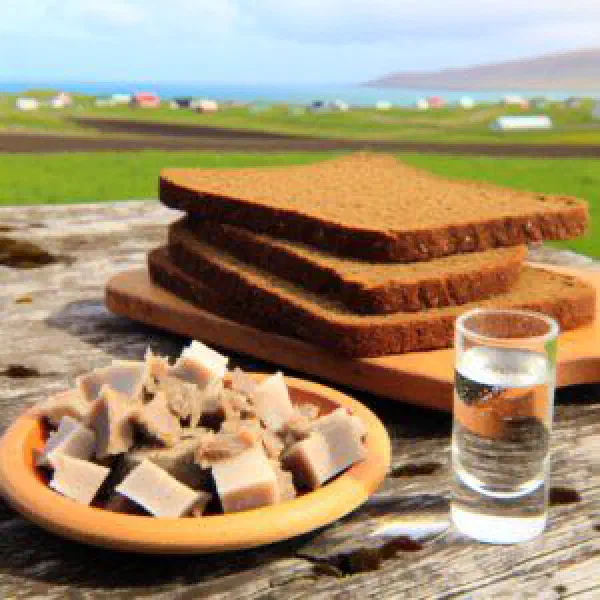
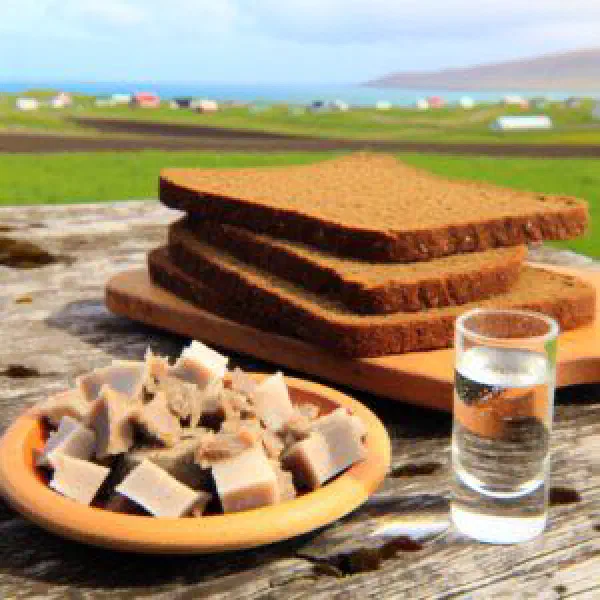
Few dishes announce their origins quite as boldly as Súrsaðir Hákarlbitar, Iceland’s famous cubes of fermented shark. Pungent, chewy and steeped in centuries of North Atlantic survival lore, it is a delicacy that rewards the curious and unsettles the timid in equal measure. Eaten in small bites with dark bread and good company, it offers a genuine taste of the island’s culinary character, and a story worth telling long after the plate is cleared.
About Súrsaðir Hákarlbitar
Súrsaðir Hákarlbitar is a traditional Icelandic speciality made from fermented shark, usually the Greenland shark. The meat is cured and left to ferment for several months until it develops its characteristic firm texture and unmistakably pungent flavour. The dish is far more than a curiosity: it is woven into Icelandic culture and history, and “conquering” its powerful aroma is treated by many as a rite of passage, undertaken with a certain amount of pride.
Ingredients (serves 1–2)
- 200 g súrsaðir hákarl (fermented shark)
- 1 tablespoon olive oil (optional)
- 1 teaspoon lemon juice
- Dark rye bread or crispbread
- A few fresh herbs, to garnish
Shopping for the ingredients
The key ingredient is of course the fermented shark, which is sold by specialist food shops and online retailers. It is worth seeking out a supplier who focuses on Nordic or specifically Icelandic produce, as quality and curing vary considerably. The remaining ingredients are straightforward and available in any supermarket. Choose fresh herbs and a good olive oil to round out the flavours, and pick up a dense loaf of Rúgbrauð if you want to serve it the traditional way.
Preparing the dish
Preparing Súrsaðir Hákarlbitar is refreshingly simple, though it does take a little courage to face the intense aroma. Begin by rinsing the shark thoroughly to wash away excess salt from the curing process. Then cut it into small cubes so it is easy to serve and eat in single mouthfuls. The dish is usually finished with a small squeeze of lemon juice and a touch of olive oil to soften and round out the flavours.
Step-by-step instructions
- Rinse the fermented shark thoroughly and cut it into bite-sized cubes.
- Put the pieces in a bowl and drizzle with lemon juice and olive oil.
- Toss well and arrange neatly on a plate.
- Garnish with fresh herbs and serve with dark rye bread or crispbread.
Gluten-free / lactose-free version
Súrsaðir Hákarlbitar are easily made gluten-free and lactose-free. The shark itself contains neither gluten nor dairy. Simply use a gluten-free loaf, or serve the delicacy on its own without any bread at all. The remaining ingredients, lemon juice and oil, are naturally free of both, which makes this dish suitable for a wide range of diets. Do check the label of any shop-bought bread for hidden allergens.
Tips for vegans and vegetarians
Súrsaðir Hákarlbitar is not suitable for vegans or vegetarians, since it is a fish dish through and through. That said, it is possible to chase similar textures and flavours with plant-based alternatives. Strongly fermented vegetables deliver comparable sharpness and depth, while seitan or tofu can stand in for the dense, chewy bite of the shark. For a plant-friendly Icelandic table, a bowl of Skyr Med Blaberjum makes a gentler companion course.
More tips and tricks
If you plan to try Súrsaðir Hákarlbitar, pay attention to storage: the fermented shark should be kept somewhere cool and dry to preserve both flavour and consistency. It is also well worth enjoying the dish in company, sharing the experience makes it easier to summon the nerve for that first bite, and the reactions are half the fun. Have a drink ready to neutralise the taste, should you need it.
Adapting the recipe to your taste
You can tailor Súrsaðir Hákarlbitar to your own palate without much trouble. Some prefer a milder profile and add gentle seasonings to soften the edge, while others want the full force of the fermentation to come through. Experimenting with herbs or a sharp sauce adds a fresh twist to a very old recipe.
Ingredient substitutions
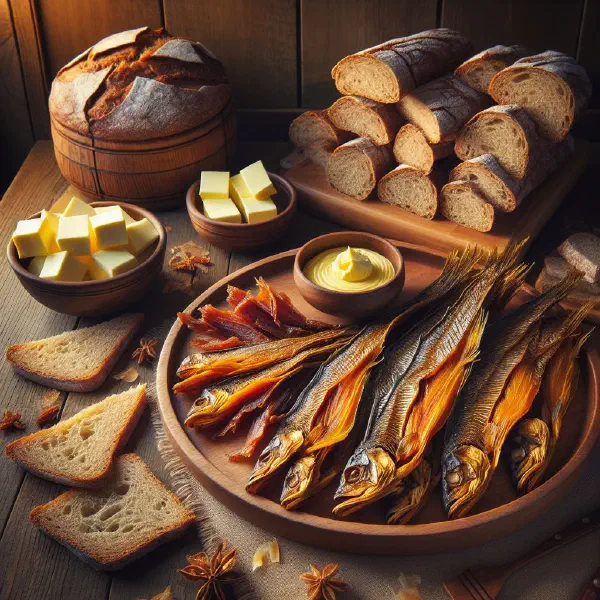
If you cannot get hold of genuine súrsaðir hákarl, dried or smoked fish makes a reasonable stand-in. The flavour will not be identical, but it opens up an interesting perspective on cooking with the sea, much as Harðfiskur Med Smjöri does. For a meat-free option, fermented vegetables or mushrooms are worth considering for a comparable umami depth. Cooking is an art as much as a craft, and experimenting is part of the process.
Drink pairing ideas
When serving Súrsaðir Hákarlbitar, choose drinks that can stand up to it. A traditional Icelandic beer brings a welcome, refreshing counterpoint. A dry white wine also works nicely, complementing rather than competing with the flavours. Many people reach for something stronger, a shot of Brennivín, the local caraway schnapps, is the classic pairing and cuts cleanly through the richness. Try a couple and see which suits you best.
Serving and presentation ideas
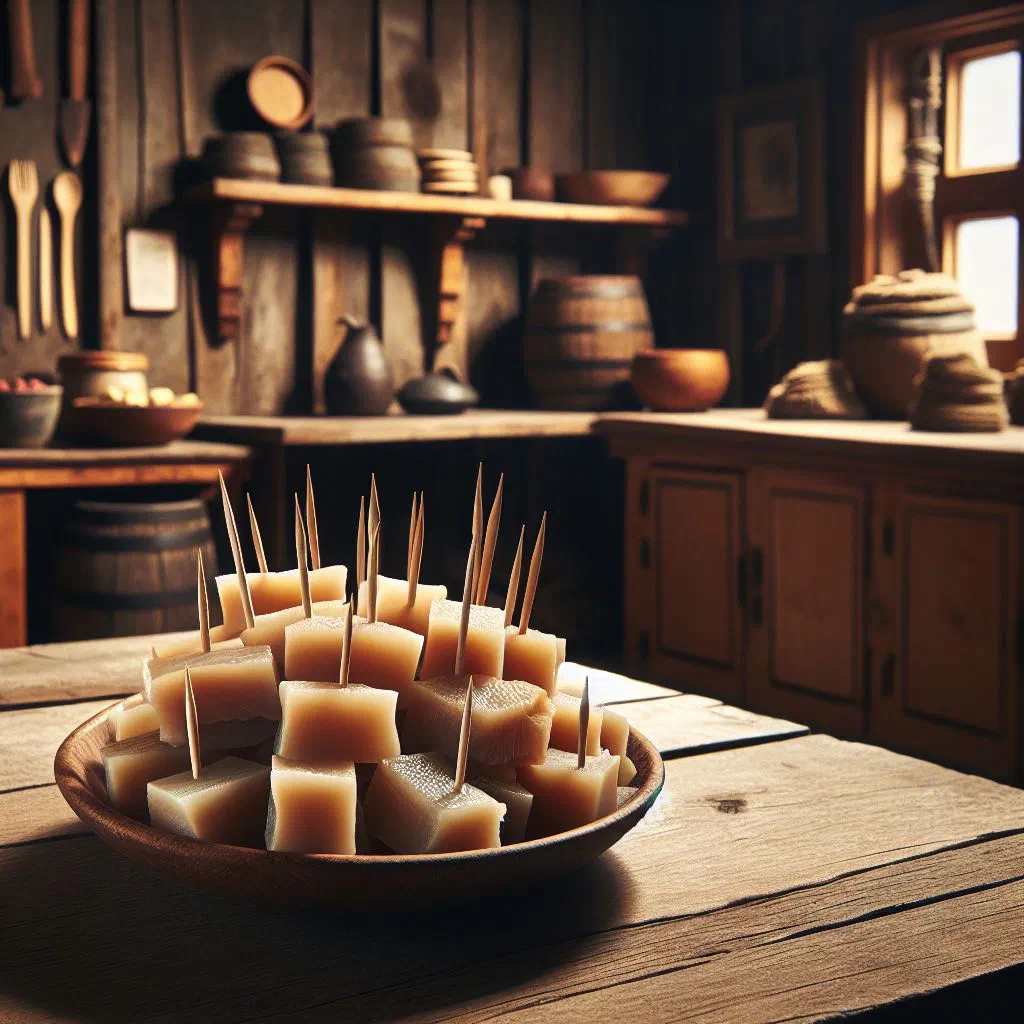
The presentation of Súrsaðir Hákarlbitar can be lifted with a few simple touches. Serve the cubes on a rustic wooden board and garnish with fresh herbs or edible flowers. Small cocktail sticks make the pieces easy to pick up and keep the ritual convivial. Take care that the colours on the board harmonise, and the result will look far more inviting than the dish’s reputation might suggest.
A bit of history
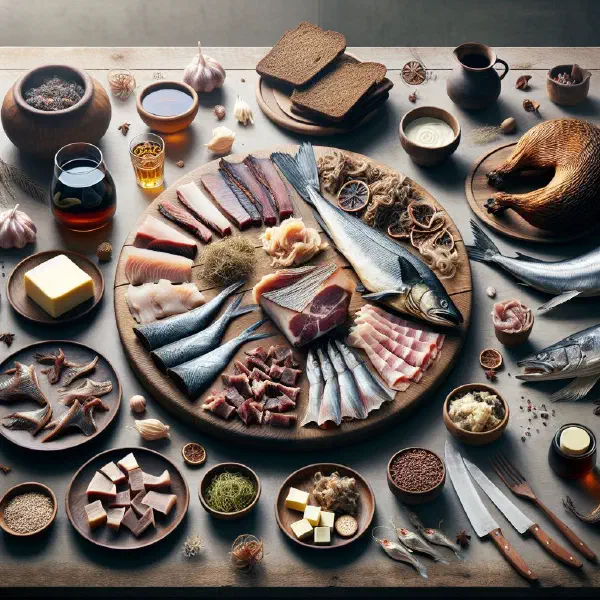
The story of Súrsaðir Hákarlbitar stretches back centuries and runs deep through Icelandic culture. Fermenting and preserving fish allowed islanders to survive the harsh, cold conditions of the North Atlantic when fresh food was scarce, and the technique made otherwise inedible Greenland shark safe to eat. Today the dish is a symbol of Icelandic identity, served above all at the midwinter Þorrablót feast alongside Hangikjöt and other cured classics. It remains one of the most striking expressions of Icelandic cuisine.
More recipe ideas
Summary: Súrsaðir Hákarlbitar
Súrsaðir Hákarlbitar offer a genuinely memorable journey into Icelandic cooking. Despite, or perhaps because of, their formidable aroma and flavour, they remain an indispensable part of the country’s culinary tradition. Prepared with care and served with the right accompaniments, they turn into an experience rather than merely a meal. Be bold, try this extraordinary dish, and let its history and unmistakable character win you over.