National Dish India: Khichdi (Recipe)
In this article
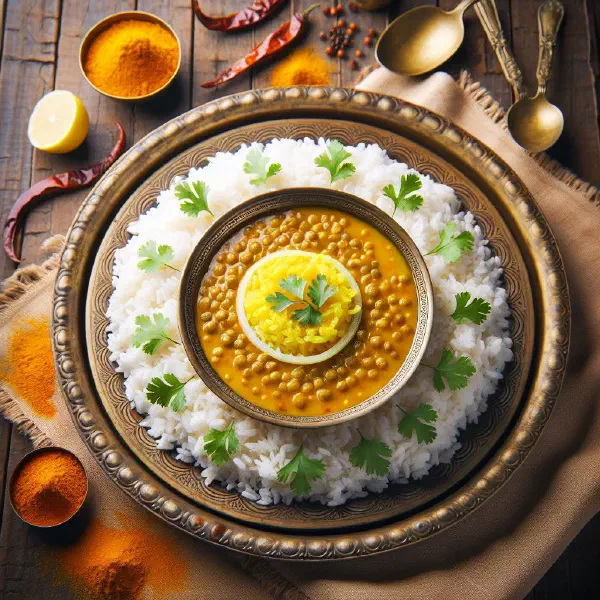
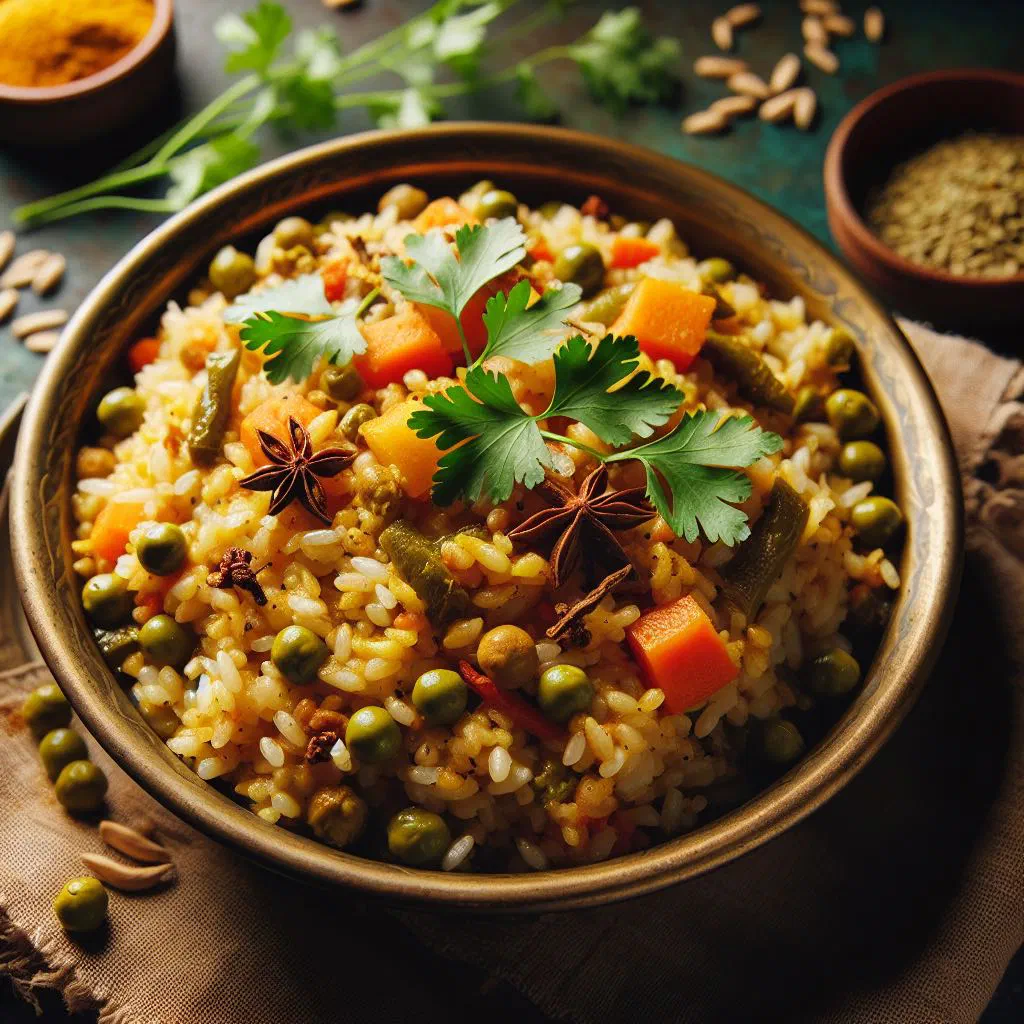
Khichdi is rice and lentils cooked together to a soft, seasoned porridge, and it is what Indians eat when they are ill, when they are fasting, and when they cannot face anything else. It is also, arguably, the oldest continuously cooked dish in the subcontinent.
About Khichdi
Khichdi appears in texts going back well over two thousand years, and Ibn Battuta ate it in the fourteenth century. Rice and split moong dal cook together with turmeric and cumin until soft. It is deliberately gentle: easy to digest, forgiving of ratios, endlessly variable by region.
The Indian government floated it as national dish in 2017, which caused a minor political row and no lasting change.
Ingredients (serves 1–2)
- 1 cup basmati rice
- 1/2 cup yellow lentils (moong dal)
- 1 medium onion, finely chopped
- 1–2 green chillies, to taste
- 1 teaspoon ginger, grated
- 2 teaspoons spices (such as cumin and turmeric)
- 2 tablespoons ghee or oil
- Salt to taste
- 4 cups water
- Fresh coriander, to garnish
Shopping for the ingredients
Split yellow moong dal cooks fastest and is the standard for a soft khichdi. Toor dal gives a firmer result. Ghee makes a real difference and is worth using, since a spoonful stirred in at the end is the traditional finish and most of the flavour.
Preparing the dish
Rinse the rice and dal together until the water runs clear. Some cooks dry-roast the moong dal for a few minutes first, which adds a nutty depth and is worth the two minutes. The 1:2 rice-to-water ratio here is for a soft khichdi; use less water if you want it drier.
Step-by-step instructions
- Heat the ghee or oil in a large pan over medium heat and sauté the chopped onions until translucent.
- Add the green chillies and grated ginger, and fry for a further 1–2 minutes.
- Stir in the cumin and turmeric, toasting them briefly until the spices become fragrant.
- Add the washed lentils and rice, and mix everything together well.
- Pour in the 4 cups of water, add the salt, bring to the boil, then reduce the heat.
- Cover and simmer gently for 20–25 minutes, until the lentils and rice are soft.
- Garnish with fresh coriander just before serving.
Gluten-free / lactose-free version
Khichdi is naturally gluten-free. Ghee is dairy, though clarified butter contains little lactose; use oil for a strictly lactose-free version and the dish is unaffected otherwise.
Tips for vegans and vegetarians
Made with oil rather than ghee, khichdi is vegan. It is vegetarian by default and always has been, and rice with dal is a complete protein, which is why it has fed the subcontinent for millennia.
More tips and tricks
Add a tadka at the end: heat ghee, sizzle cumin seeds, dried chilli and asafoetida, and pour it over the finished khichdi. That final step transforms it and most recipes omit it. Cook it wetter than seems right, since khichdi thickens as it stands.
Adapting the recipe to your taste
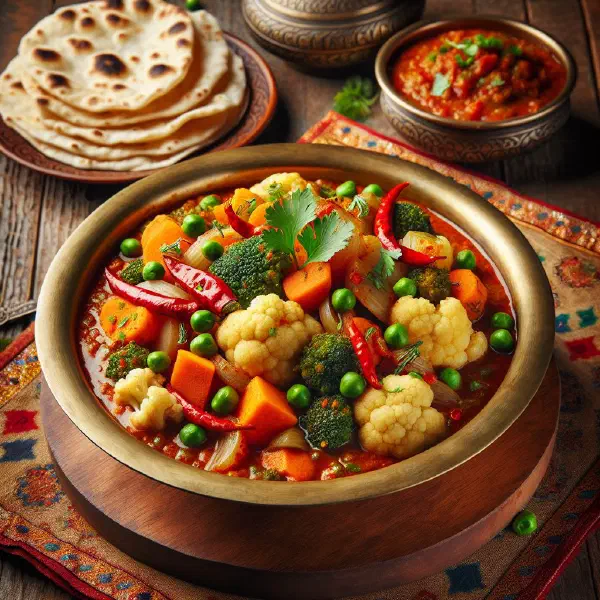
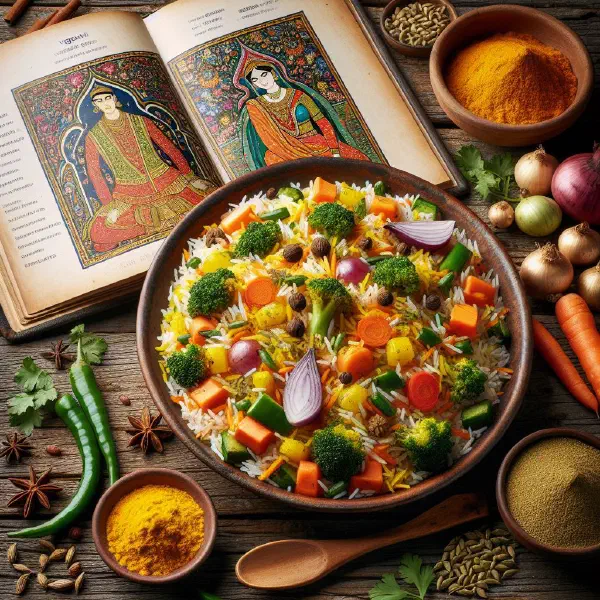
Ven pongal is the South Indian version with black pepper and curry leaves. Bengali bhoger khichuri uses roasted dal and is richer. Vegetables, peas, cauliflower and potato are common additions.
Ingredient substitutions
Toor or masoor dal work in place of moong. Any rice does; short-grain gives a softer result. Oil replaces ghee.
Drink pairing ideas
Plain water or buttermilk. Khichdi is convalescent food as often as not, and heavy drinks work against it. Masala chai afterwards.
Serving and presentation ideas
Serve it hot in a bowl with a spoonful of ghee melting on top, plain yoghurt on the side, and pickle and papad if you want it to be a proper meal. That combination is a fixed Indian pairing.
A bit of history
Khichdi is genuinely ancient and appears across religions and regions, which is part of why the 2017 national dish proposal was politically fraught: it belongs to everyone and therefore to no faction. Its Anglo-Indian descendant, kedgeree, went back to Britain with the colonial administration. It sits at the base of Indian cuisine.
More recipe ideas
Summary: Khichdi
Khichdi is rice and moong dal cooked soft with turmeric and cumin. Rinse them together, cook it wetter than you think, and finish with a tadka of ghee and cumin seeds.