National Dish Iran: Baghlava (Recipe)
In this article
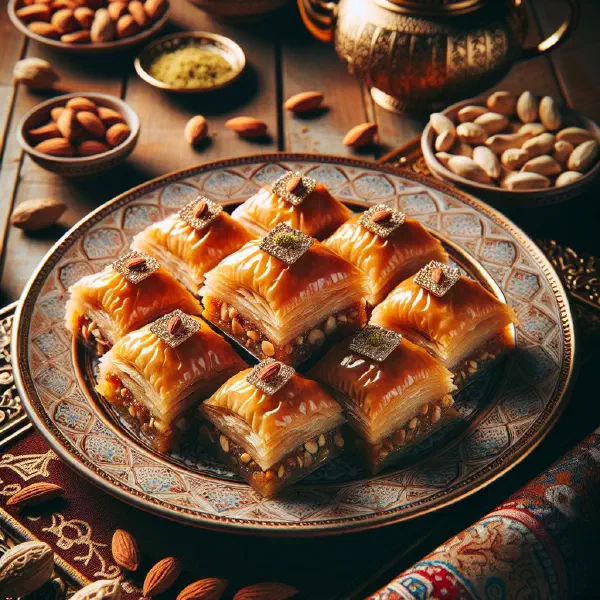
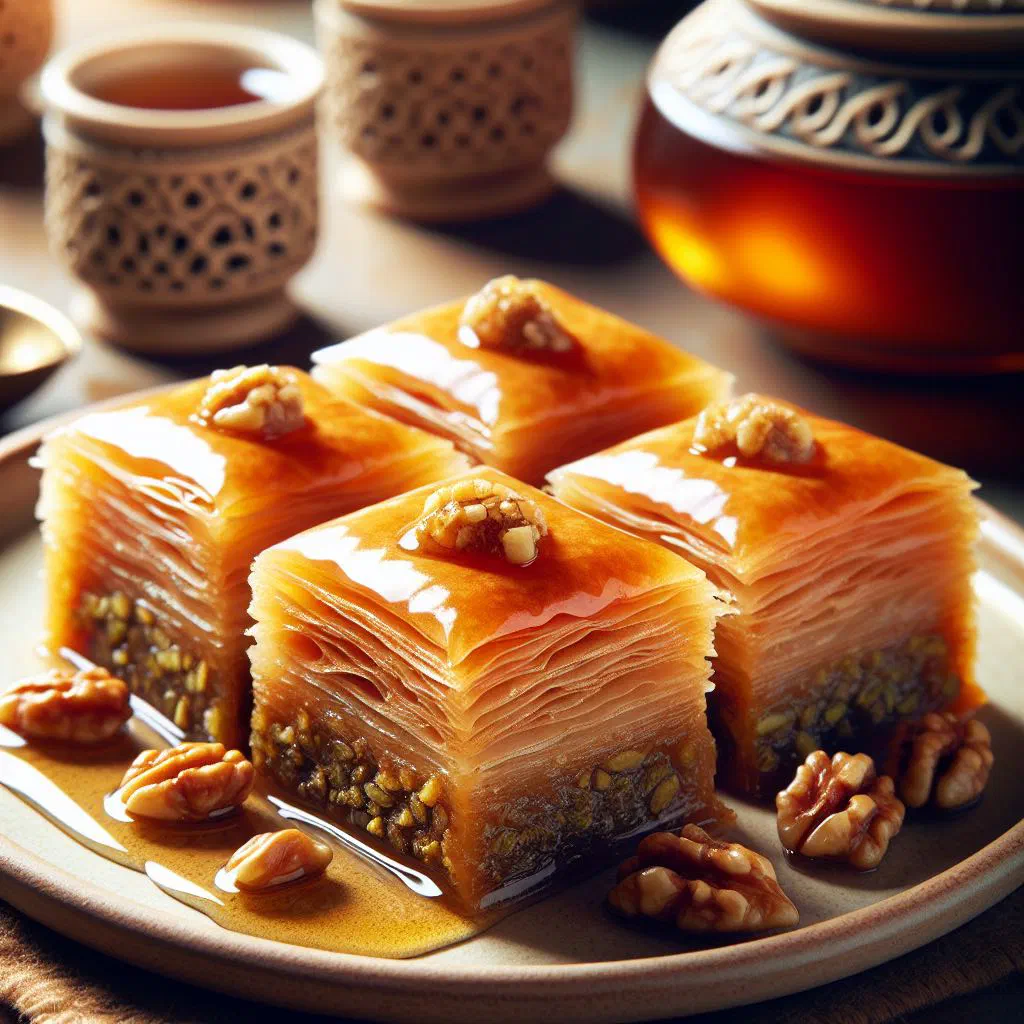
Treat yourself to Baghlava, one of Iran’s most beloved sweets. This delicate pastry layers wafer-thin sheets of dough with a fragrant filling of chopped nuts, then bathes the whole thing in a glistening sugar syrup. Warmed with cinnamon and a whisper of honey, it is a dessert made for celebrations yet very good any day of the week. Bring a taste of Persian hospitality straight to your own kitchen.
About Baghlava
Baghlava is a traditional Persian dessert with its roots in the rich and varied cuisine of Iran. This delicious pastry is built from many wafer-thin layers of dough, stacked one on top of another and filled with a wonderful mix of chopped nuts. The better the quality of your ingredients, the more flavourful the finished result. The sweet note of the sugar syrup, poured over the freshly baked pastry, makes Baghlava a memorable experience for the palate.
Ingredients (serves 1–2)
- 250 g filo pastry
- 150 g mixed nuts (walnuts, almonds, pistachios)
- 100 g butter
- 100 g sugar
- 100 ml water
- 1 teaspoon cinnamon
- 2 tablespoons honey
Shopping for the ingredients
When shopping for the ingredients for baghlava, pay attention to the freshness and quality of both the nuts and the filo pastry. For the best flavour, use freshly chopped nuts and good-quality cinnamon. These ingredients can be found in well-stocked supermarkets or in specialist Middle Eastern grocery shops. If you struggle to track down some of them, you can also look online for suppliers who specialise in Persian foods.
Preparing the dish
Before you start making baghlava, it is important to have all your ingredients ready. Roughly chop the nuts and mix them with the cinnamon in a bowl. Melt the butter in a small pan and let it cool a little. The filo pastry should be handled carefully, as it is very thin and fragile. Keep the pastry covered with a damp cloth while you work to stop it drying out.
Step-by-step instructions
- Preheat the oven to 180°C.
- Grease a baking dish with a little of the melted butter.
- Lay a sheet of filo pastry in the dish and brush it with butter.
- Repeat this process with several more layers of filo pastry.
- Spread the nut-and-cinnamon mixture evenly over the top layer of pastry.
- Add a few more layers of filo pastry on top, again brushing each with butter.
- Cut the pastry into diamonds or squares.
- Bake the baghlava for about 30–35 minutes, until golden brown and crisp.
- While it bakes, prepare the sugar syrup by bringing the sugar and water to the boil in a pan.
- Add the honey and let the syrup simmer for a few minutes, until it thickens slightly.
- Pour the hot sugar syrup over the freshly baked baghlava as soon as it comes out of the oven.
Gluten-free / lactose-free version
To make baghlava without gluten, you can use gluten-free filo pastry, which is now widely available in many food shops. Instead of ordinary butter, use plant-based margarine or another lactose-free fat to brush between the layers. The nut filling is naturally gluten-free, but take care that no other gluten-containing ingredients sneak in. That way even those with intolerances can enjoy this delicious dessert.
Tips for vegans and vegetarians
Baghlava is easily adapted for vegans by swapping the butter for plant-based alternatives such as coconut oil or margarine. Make sure all the other ingredients are vegan too, especially the sugar syrup, as some can contain gelatine. Use a good-quality plant-based honey substitute to achieve that sweet finish. This way vegans can enjoy the delicacy to the full as well.
More tips and tricks
When making baghlava, handle the pastry layers carefully to stop them drying out. Store any leftover pieces in an airtight container so they stay fresh. Another useful trick is to let the sugar syrup cool slightly before pouring it over the pastry, which gives the best flavour and crunch. Experiment with different nut mixtures too, to give your baghlava a personal touch, a good habit across Iranian cuisine.
Adapting the recipe to your taste
The recipe for baghlava is easy to tailor to your own preferences. Try mixing different types of nut, or add other spices such as cardamom to vary the flavour. The sweetness can be adjusted to taste too, by reducing the amount of sugar in the syrup or replacing it with alternative sweeteners. In this way, everyone can create their own unique baghlava, much like the delicate diamonds of Baqlava Yazdi.
Ingredient substitutions
If you do not have every ingredient to hand, there are plenty of alternatives to try. Instead of walnuts, you can use almonds or pistachios. For the sugar syrup, agave nectar makes a tasty, slightly healthier alternative. If you would rather not use plain water, fruit juices can be used to make the syrup, adding extra aroma and a milder flavour. Feel free to experiment with your ingredients, the same spirit that gives Halva its endless variations.
Drink pairing ideas
A number of drinks pair beautifully with baghlava and complement the flavours of the sweet. A traditional Persian tea, gently spiced with cardamom and cinnamon, is a popular choice. A fruity pomegranate or hibiscus tea also makes a refreshing accompaniment. For a special occasion you might serve an aromatic mocha, which balances the sweetness of the baghlava perfectly.
Serving and presentation ideas
The presentation of baghlava can make a real difference when serving the dessert. Arrange the pieces on an attractive plate and garnish them with chopped nuts or fresh herbs such as mint. You can also drizzle a few drops of the sugar syrup over the pieces for an appealing sheen. Small decorative bowls of pistachios or other nuts beside the pastry round off the display and lend a festive atmosphere, much as they do alongside Bastani Sonnati.
A bit of history
The history of baghlava reaches far back and is closely tied to the culture of the Middle East. Over the centuries the pastry has been adapted into many variations and regional styles, with each country developing its own traditional recipes. In Persian culture, baghlava is often served at festive occasions, weddings and holidays, underlining its role as a symbol of hospitality and joy. This sweet delicacy has established itself as a timeless favourite that draws food lovers from around the world.
More recipe ideas
Summary: Baghlava
In short, baghlava is a heavenly dessert and one with a rich cultural history and endless adaptability. It is always a treat. This fine pastry is ideal for celebrations and special occasions, as well as for everyday enjoyment. Let the aromas of the Orient tempt you and bring a piece of Persian culture into your kitchen.