National Dish Iran: Dolmeh (Recipe)
In this article
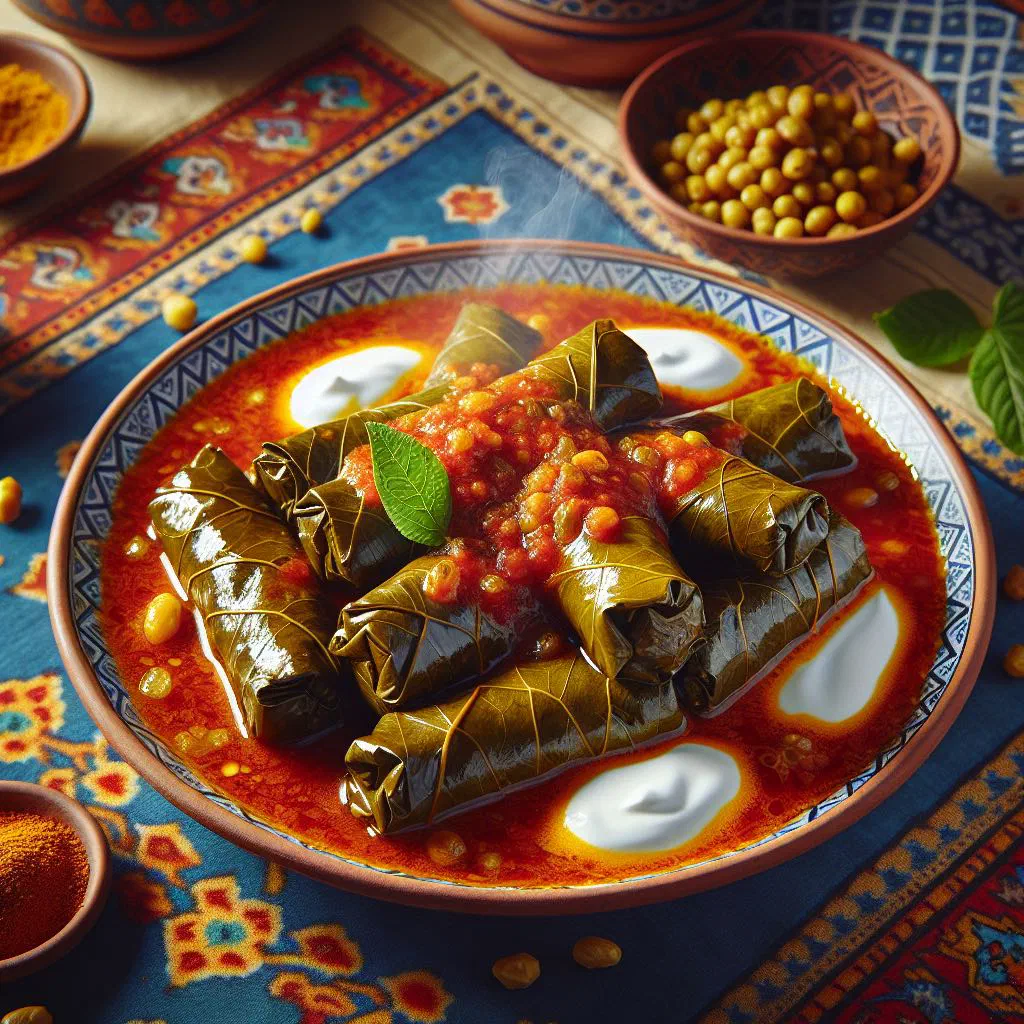
Discover Dolmeh, a treasured jewel of Persian cooking. These delicate stuffed vine leaves wrap a fragrant filling of rice, fresh herbs and warming spices into neat little parcels. Bursting with the aromas of dill, mint and turmeric, Dolmeh is a dish made with patience and love, brought out for family gatherings and festive tables alike. Bring a taste of Iranian hospitality straight to your own kitchen.
About Dolmeh
Preparing Dolmeh is a cultural ritual that plays an important part in many Iranian households. The stuffed vine leaves symbolise conviviality and the artistry of cooking within Persian tradition. The wealth of herbs and spices used, dill, mint and turmeric among them, gives Dolmeh its distinctive flavour. Each parcel is a small masterpiece, more often than not put together with care and devotion.
Ingredients (serves 1–2)
- 200 g rice (basmati works well)
- 50 g fresh herbs (such as dill, parsley and mint)
- 1 onion, finely chopped
- 1 tomato, diced
- 1 tablespoon olive oil
- 1 teaspoon turmeric
- 1 teaspoon salt
- 1 teaspoon pepper
- 250 g vine leaves (pre-cooked or preserved in brine)
Shopping for the ingredients
When you set out to make Dolmeh, it pays to choose fresh, good-quality ingredients. Many of the items you need, such as vine leaves and fresh herbs, can be found in well-stocked Middle Eastern or Iranian grocery shops. Alternatively, the vine leaves can be ordered online. For the freshest herbs, a local farmers’ market is an excellent place to secure the best quality.
Preparing the dish
Preparing Dolmeh involves a few steps that should be carried out carefully and with attention. First, wash and dry the chopped herbs thoroughly to bring out their best flavour. The rice should also be rinsed and then par-boiled in water until it is about half cooked. These steps are essential for a tasty, well-structured dish.
Step-by-step instructions
- Heat the olive oil in a large pan and sauté the onion until translucent.
- Add the tomato, the par-boiled rice and the chopped herbs.
- Season with salt, pepper and turmeric, then mix well.
- Gently drain the vine leaves and wrap a little of the filling in each leaf.
- Arrange the Dolmeh in a pot, cover with water and let them simmer for around 40 minutes.
Gluten-free / lactose-free version
Dolmeh is naturally gluten-free and lactose-free, provided you take care not to add any dairy products to the filling. Use only fresh ingredients for the best results. If you reach for substitute products for any of the components, check the ingredient lists to make sure they are gluten-free too. That way even those with intolerances can enjoy this delicious dish.
Tips for vegans and vegetarians
Dolmeh is an excellent choice for vegans and vegetarians, as it contains no animal products. To keep the dish fully vegan, use only plant-based oils and avoid any animal-based fillings. Many cooks like to add nuts or other plant-based protein sources to the filling to boost its nutritional value. The combination of vegetables, herbs and spices makes for a rich and nourishing meal.
More tips and tricks
For the best flavour, let the Dolmeh rest for a while before serving so the aromas can develop. Experiment with different herbs and spices to refine your own personal recipe. Another handy trick is to weigh the filled leaves down with a heavy plate while they cook, so they don’t unravel. This ensures more even cooking and a neater shape.
Adapting the recipe to your taste
The Dolmeh recipe is easily adapted to personal preference. If you like it spicier, add a little chilli or hot pepper to the filling. For a milder result, choose your herbs so they underline the flavour you are after. You can also try other fillings such as lentils or quinoa to bring variety to the dish.
Ingredient substitutions
There are plenty of alternatives to the traditional ingredients in Dolmeh. If you don’t have access to fresh vine leaves, cabbage leaves make a good option, much like the hearty greens in Kalam Polo. The choice of herbs can be varied too, with basil or chives offering interesting alternatives depending on availability and taste. Instead of rice, you might use different grains to create a new flavour profile. Experiment and find out what suits you best.
Drink pairing ideas
Several drinks work beautifully to bring out the flavours of Dolmeh. A cup of Iranian tea with raisins and cardamom pairs perfectly with the dish and lets the aromas shine. Sparkling mineral water with lemon or a fruity pomegranate juice offers a refreshing accompaniment. A light white wine can also be a good choice, lifting the flavours and adding a festive touch. For a cooling contrast, a glass of Doogh yoghurt drink complements the herbs well.
Serving and presentation ideas
Presentation can elevate the whole Dolmeh experience. Serve the stuffed leaves on a large platter and garnish with fresh herbs or a yoghurt sauce such as Mast O Khiar. Lean on bright colours to highlight the beauty of the dish. A few slices of lemon or a scattering of pomegranate seeds can act as decorative elements, lending the plate an extra touch of freshness.
A bit of history
Dolmeh has a long history in Persian culture, with origins reaching back into antiquity. The tradition of wrapping food in leaves dates to ancient Persia and is a symbol of the bond between family and community. Dolmeh was often prepared for festive occasions and celebrations, which reinforces its special significance. Today it is a familiar sight in many Iranian homes and a hallmark of hospitality and culture, a proud part of Iranian cuisine.
More recipe ideas
Summary: Dolmeh
Dolmeh is a delicious and traditional Iranian dish found in towns and cities across the country. The combination of rice, herbs and spices makes it an incomparable experience. Dolmeh is full of flavour and a symbol of Iranian culture and hospitality. Try this stuffed masterpiece and let the variety of Persian cooking win you over.