National Dish Iran: Eshkeneh (Recipe)
In this article
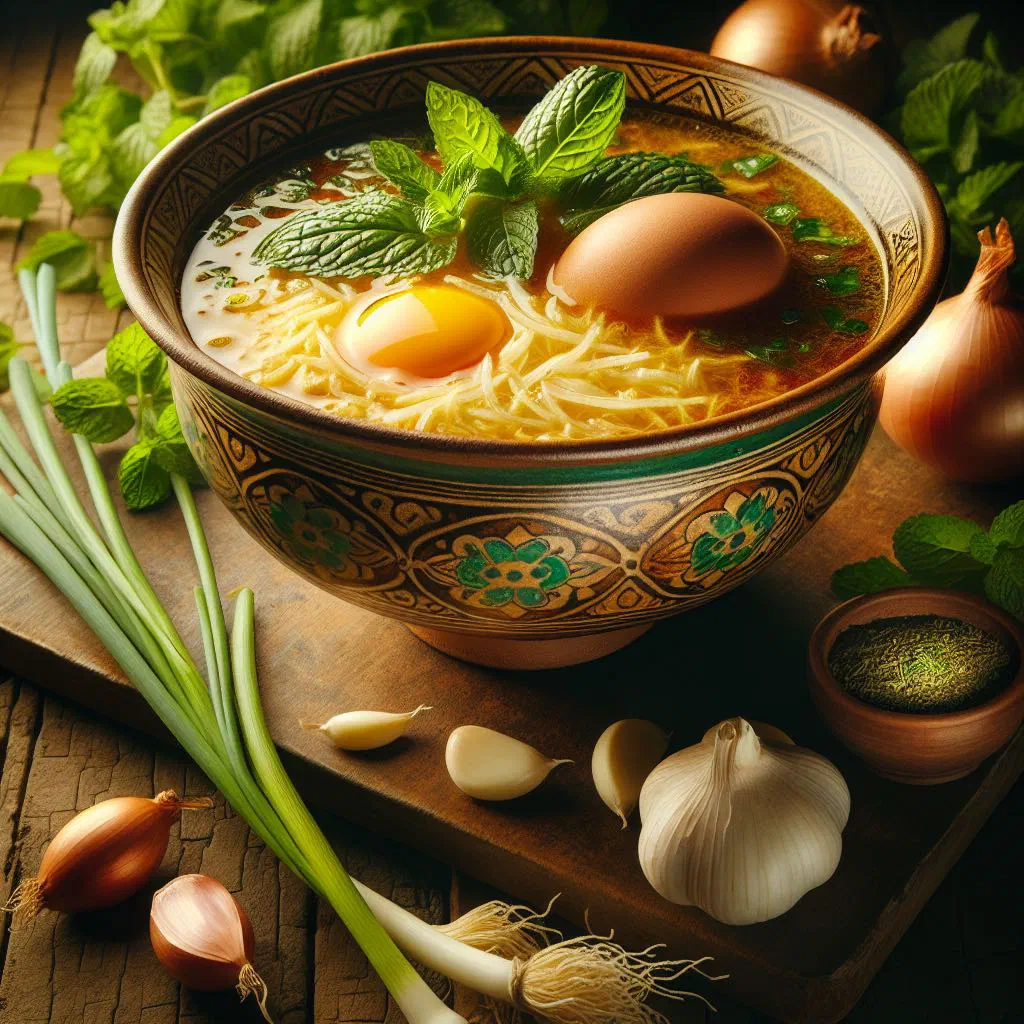
Meet Eshkeneh, a humble yet deeply comforting soup from the heart of Persian home cooking. Built around little more than golden onions, eggs and a handful of warming spices, it is the kind of nourishing dish that has fed Iranian families for generations. The silky ribbons of egg, the earthy glow of turmeric and the gentle sweetness of slow-cooked onions come together into a bowl that feels made for cold days and quiet evenings. Simple to prepare and endlessly satisfying, it brings a taste of Iran straight to your table.
About Eshkeneh
Eshkeneh is a traditional Iranian dish prepared in kitchens right across the country. It is a hearty, brothy soup that brings together the simple but flavourful ingredients so typical of Persian cooking. In times past it was often cooked as a nourishing meal for the whole family, and to this day it remains a popular choice for a cosy meal on chilly days. The tender wisps of egg, combined with aromatic spices and softly cooked onions, give this dish its wonderfully distinctive character.
Ingredients (serves 1–2)
- 4 eggs
- 1 large onion
- 2 tablespoons olive oil or butter
- 1 teaspoon turmeric
- 1 teaspoon ground cumin
- Salt and pepper, to taste
- Fresh bread, to serve
Shopping for the ingredients
The ingredients for eshkeneh are easy to find in most supermarkets and at farmers’ markets. Fresh onions and eggs are the backbone of this recipe, while spices such as turmeric and cumin lend the dish its unmistakable aromas. It is worth seeking out fresh, free-range eggs, as they make the soup even more flavourful. When choosing your olive oil or butter, go for good quality to get the very best taste.
Preparing the dish
Before you start cooking eshkeneh, prepare your ingredients properly. Begin by peeling the onion and cutting it into fine dice. This helps it cook evenly and release its flavour to the full. The eggs can be cracked ready for the next step, so they are on hand to fold into the mixture. Keep a small bowl of your spices ready too, so everything is within easy reach.
Step-by-step instructions
- Heat the oil or butter in a pan over medium heat.
- Add the diced onions and fry until golden brown and soft.
- Scatter the turmeric and cumin over the onions and stir to release the spices’ aromas.
- Crack the eggs into the pan and stir gently until fully cooked.
- Season the dish with salt and pepper, then serve the eshkeneh warm with fresh bread.
Gluten-free / lactose-free version
Eshkeneh is naturally gluten-free and lactose-free, since it is made mainly from eggs and vegetables. Just be sure to choose a gluten-free bread on the side if you follow a gluten-free diet. If you want to avoid lactose, use a plant-based oil or margarine in place of butter. This makes the dish ideal for a whole range of dietary needs.
Tips for vegans and vegetarians
For a vegan version of eshkeneh, you can swap the eggs for plant-based alternatives. A popular option is a chickpea-flour egg, made by whisking chickpea flour with water and spices. This gives a similar texture and adds to the soup’s savoury depth. Make sure all the spices you use are fresh and vegan so you can enjoy the fullest flavour.
More tips and tricks
To give eshkeneh an extra layer of aroma, add fresh herbs such as parsley or coriander. Scatter these over the dish just before serving to keep their freshness and flavour intact. A squeeze of lemon juice can also work wonders, brightening the flavours beautifully. Experiment with different spices to shape the dish exactly to your own taste, much as you might with a warming Aash E Jo.
Adapting the recipe to your taste
Eshkeneh is easy to adjust to suit your personal preferences. Feel free to vary the vegetables according to season and availability. If you enjoy other vegetables such as peppers or spinach, you can add these in too. Combining different ingredients lets you discover new flavours and vary the dish regularly without losing the basic recipe, a flexibility it shares with the herby Kookoo Sabzi.
Ingredient substitutions
If you are not keen on onions, you can replace them with spring onions or even leeks. These offer a milder note while still bringing a special flavour to the dish. For a slightly more robust aroma, use coconut oil or avocado oil in place of olive oil. The spices can be varied too; you might try harissa or paprika, for example, for a spicier note.
Drink pairing ideas
A refreshing yoghurt drink such as doogh goes wonderfully with eshkeneh. Alternatively, you could serve a black tea or green tea, both of which complement the flavours of the dish beautifully. For an alcohol-free option, a fresh pomegranate juice makes a refreshing choice. These drinks offer a delicious accompaniment and enrich your meal with extra nutrients.
Serving and presentation ideas
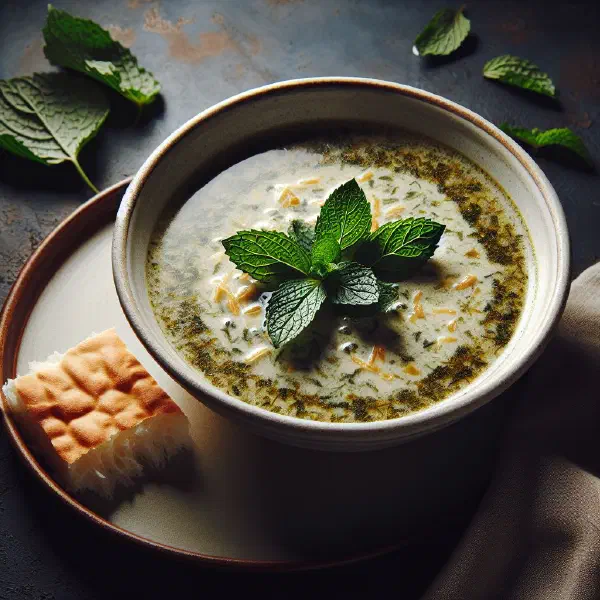
Presentation can make a real difference with eshkeneh. Serve the soup in individual bowls and garnish with fresh herbs and a squeeze of lemon juice. A rustic loaf on a wooden board beside the soup creates an inviting atmosphere. To round off the picture, decorative tea glasses or cups can be used for the drinks.
A bit of history
Eshkeneh has a long tradition in Iranian cuisine and is often thought of as everyday home cooking. The dish is believed to have originally been prepared by the nomadic peoples of Iran. Its simplicity and nourishing quality made it especially well suited to long journeys. For this reason eshkeneh is part of Iran’s cultural identity and is still prepared in many families today, alongside other classics of Iranian cuisine like the hearty Aabgoosht.
More recipe ideas
Summary: Eshkeneh
In short, eshkeneh is a simple and nourishing dish that is rich in both flavour and culture. Its versatility means the recipe can be adapted to your own tastes and reinvented in countless variations. Whether in cold weather or as part of a festive meal, eshkeneh brings a piece of Iranian tradition into any home. Give it a try and enjoy the wonderful variety of Persian cuisine.