National Dish Iran: Ghormeh Sabzi (Recipe)
In this article
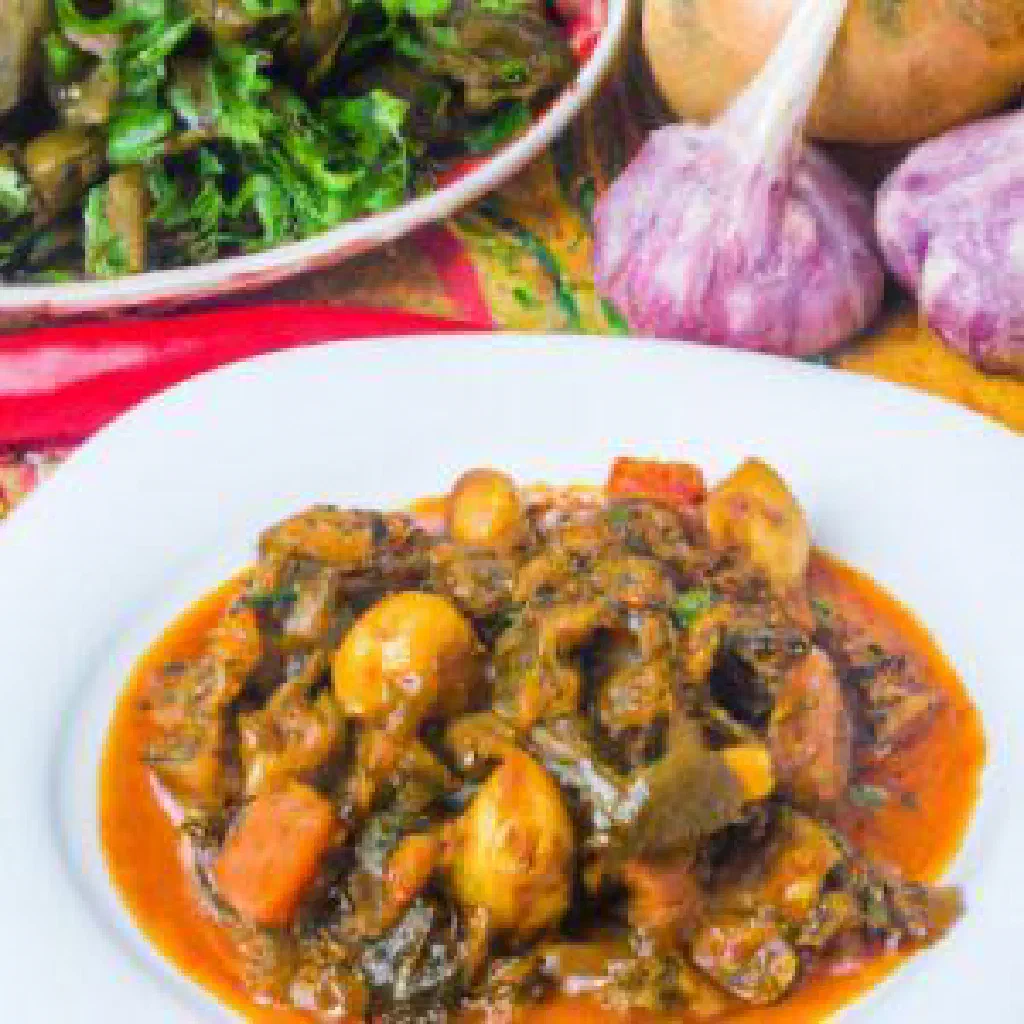
Meet Ghormeh Sabzi, the fragrant herb stew that many Iranians will name without hesitation as their country’s national dish. A slow-simmered tangle of fresh greens, tender meat, kidney beans and the unmistakable sour note of dried lime, it fills the kitchen with an aroma quite unlike anything else. This is the sort of cooking that rewards patience, a proper weekend project that turns a handful of humble ingredients into something deeply comforting, and best of all a dish made to be shared with someone special.
About Ghormeh Sabzi
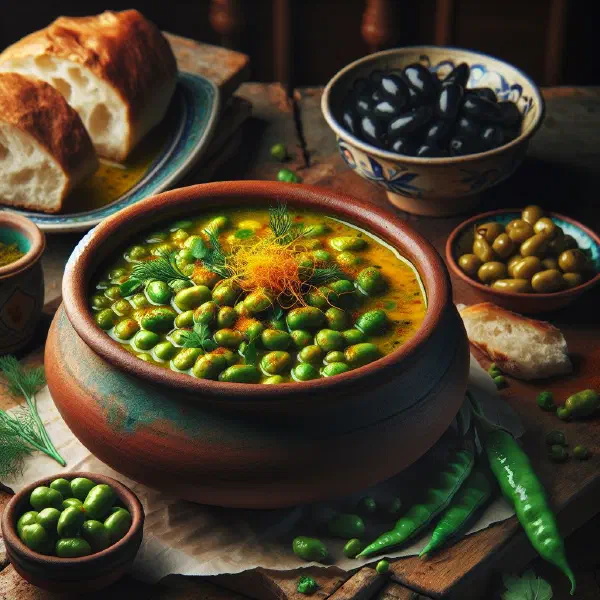
Ghormeh Sabzi is a beloved herb stew from Iran, prized for its layered flavour and its long, gentle cooking. At its heart is a generous mix of fresh herbs, parsley, coriander, chives and, crucially, fenugreek, cooked down with tender pieces of meat, kidney beans and tangy dried lime. The exact blend of greens varies from family to family, and the result is a hearty, richly savoury khoresht served over fluffy rice. It is comfort food at its finest, the kind of dish that anchors a family table and turns an ordinary evening into an occasion.
Ingredients (serves 1–2)
- 2 tablespoons olive oil or vegetable oil
- 1 small onion, finely chopped
- 2 garlic cloves, finely chopped
- 250 g lamb or beef, cut into small cubes
- 1 large bunch parsley, finely chopped
- 1 large bunch coriander, finely chopped
- A handful of chives or spring onions, chopped
- 1 tablespoon dried fenugreek leaves
- 1 x 400 g tin red kidney beans, drained
- 2–3 dried limes, pierced (or 2 tablespoons lime juice)
- 1/2 teaspoon ground turmeric
- Salt and pepper, to taste
Shopping for the ingredients
You can find most of what you need for Ghormeh Sabzi in a regular supermarket, though a Persian or Middle Eastern grocer will make life easier for the specialist items. Look out for dried limes (limoo amani) and dried fenugreek, both of which give the dish its signature character. These are also easy to order online. Choose the freshest herbs you can find, since they are the soul of the recipe, and pick a well-marbled cut of meat that will grow tender over a long simmer.
Preparing the dish
Preparing Ghormeh Sabzi takes a little groundwork so the cooking runs smoothly. The biggest job is the herbs: wash them well, dry them thoroughly and chop them finely, as their volume shrinks dramatically once cooked. Cube the meat into neat pieces, finely chop the onion and garlic, and pierce the dried limes with a fork so their sour flavour can seep into the stew. A tidy, well-organised work surface lets you build the dish at a relaxed, steady pace.
Step-by-step instructions
- Heat the oil in a large pan over a medium heat and sauté the chopped onion and garlic until translucent.
- Add the cubed meat along with the turmeric and brown it on all sides.
- Meanwhile, in a separate pan, gently fry the chopped herbs and fenugreek until they darken and smell fragrant, then stir them into the meat.
- Add enough water to cover, bring to the boil, then reduce the heat and let it simmer gently.
- After about an hour, add the kidney beans and the pierced dried limes and continue to simmer.
- Cook slowly for another 1–2 hours until the meat is meltingly tender and the sauce has thickened.
- Season with salt and pepper to taste and serve warm over fluffy white rice.
Gluten-free / lactose-free version
Ghormeh Sabzi is naturally gluten-free and lactose-free, which makes it a wonderfully easy dish to serve to guests with dietary needs. There is no wheat and no dairy in the traditional recipe, so simply pair it with plain steamed rice, a natural partner such as Tahdig, and everyone at the table can enjoy it. Just double-check any tinned beans or stock you use to make sure no hidden ingredients have crept in.
Tips for vegans and vegetarians
Ghormeh Sabzi adapts beautifully to a vegetarian or vegan table. Simply leave out the meat and add extra kidney beans, or fold in cubes of firm potato or mushrooms for a satisfying, hearty bite. The deep flavour comes largely from the herbs, dried lime and slow cooking rather than the meat, so a plant-based version loses very little. Use a good vegetable stock in place of water to keep the stew rich and full-bodied.
More tips and tricks
The secret to a great Ghormeh Sabzi is time, let it simmer over low heat for as long as you can, as the flavour only deepens with patience. Frying the herbs properly before adding the liquid is essential; this step draws out their aroma and gives the stew its characteristic dark green colour. Taste towards the end and adjust the dried lime to your liking, since it provides the trademark sourness that defines the dish.
Adapting the recipe to your taste
Ghormeh Sabzi is wonderfully forgiving and easy to tailor to personal preference. Some cooks add a pinch of dried mint or a little more fenugreek for a bolder, more herbal note, while others prefer a milder balance. You can dial the sourness up or down by adjusting the number of dried limes, and choose whichever beans you like best. This way you can shape a stew that fits your own taste exactly.
Ingredient substitutions
If certain ingredients are not to hand, there are plenty of good alternatives. Fresh lime juice works in place of whole dried limes, though the flavour is brighter and less earthy. Pinto or black beans stand in nicely for kidney beans, and the herbs can be swapped around according to what is in season, much like the flexible herb base of a Kuku Sabzi. Substitutions like these help you adapt the recipe to your kitchen and your preferences.
Drink pairing ideas
A range of drinks pairs nicely with Ghormeh Sabzi and complements its tangy, herbal notes. The classic Persian choice is doogh, a cooling, slightly salty yoghurt drink that offsets the richness of the stew. A tall glass of iced water with mint or a fragrant herbal tea also works beautifully. For something a little sweeter, a homemade sekanjabin (mint and vinegar) cordial rounds off the meal with a refreshing lift.
Serving and presentation ideas
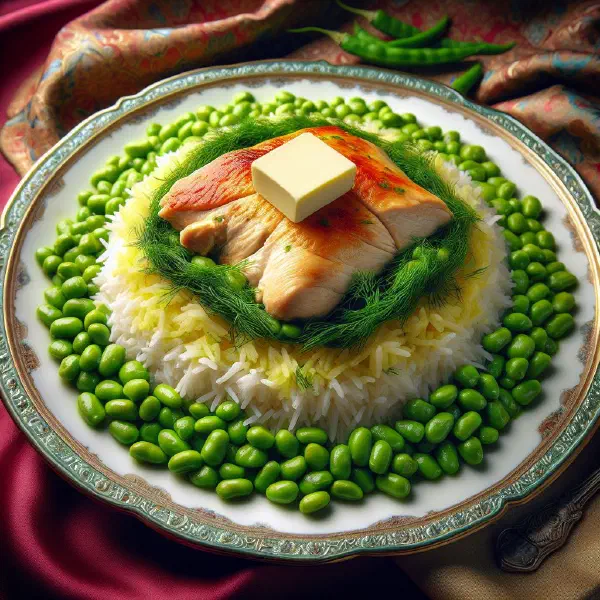
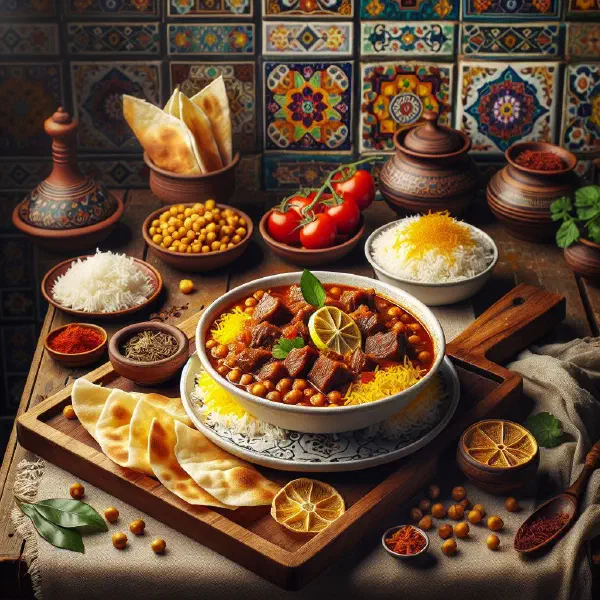
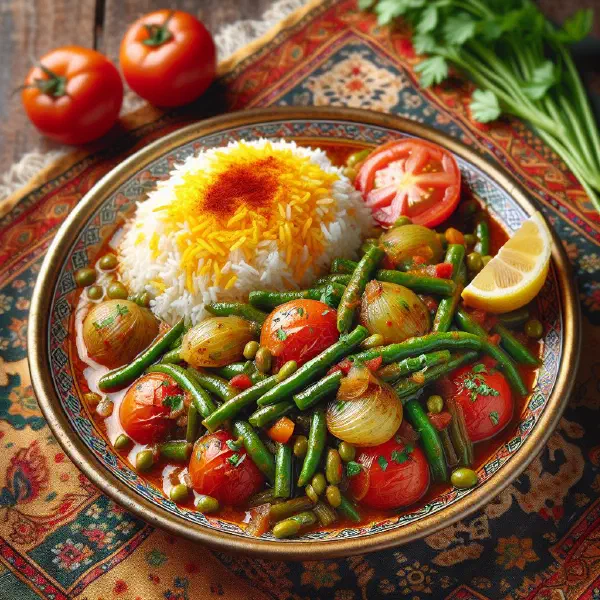
Presentation can lift the whole Ghormeh Sabzi experience. Serve the stew in a generous bowl alongside a mound of fluffy white rice, ideally with a golden crust of Tahdig for contrast. A little dish of pickled vegetables (torshi) or fresh herbs (sabzi khordan) on the side adds colour and a welcome sharpness. Bringing everything to the table together, family style, makes for a warm and inviting spread.
A bit of history
Ghormeh Sabzi is often called the true national dish of Iran, with roots stretching back centuries in Persian home cooking. Its very name describes the method, ghormeh refers to slow-cooked, braised meat, while sabzi means herbs, and generations of families have passed down their own versions. The dish sits at the heart of countless gatherings and celebrations, and its enduring popularity makes it a superb ambassador for Iranian cuisine, loved as much in Tehran kitchens as in the Persian diaspora around the world.
More recipe ideas
Summary: Ghormeh Sabzi
Ghormeh Sabzi is more than just a stew; it is a culinary institution that captures the flavour and warmth of Persian home cooking. With its fragrant tangle of herbs, tender meat and the bright tang of dried lime, it is an absolute treat for the senses. Ghormeh Sabzi brings depth and comfort to any table. Let this Iranian classic inspire you and give it a try, your patience will be richly rewarded.