National Dish Iran: Havij Bastani (Recipe)
In this article
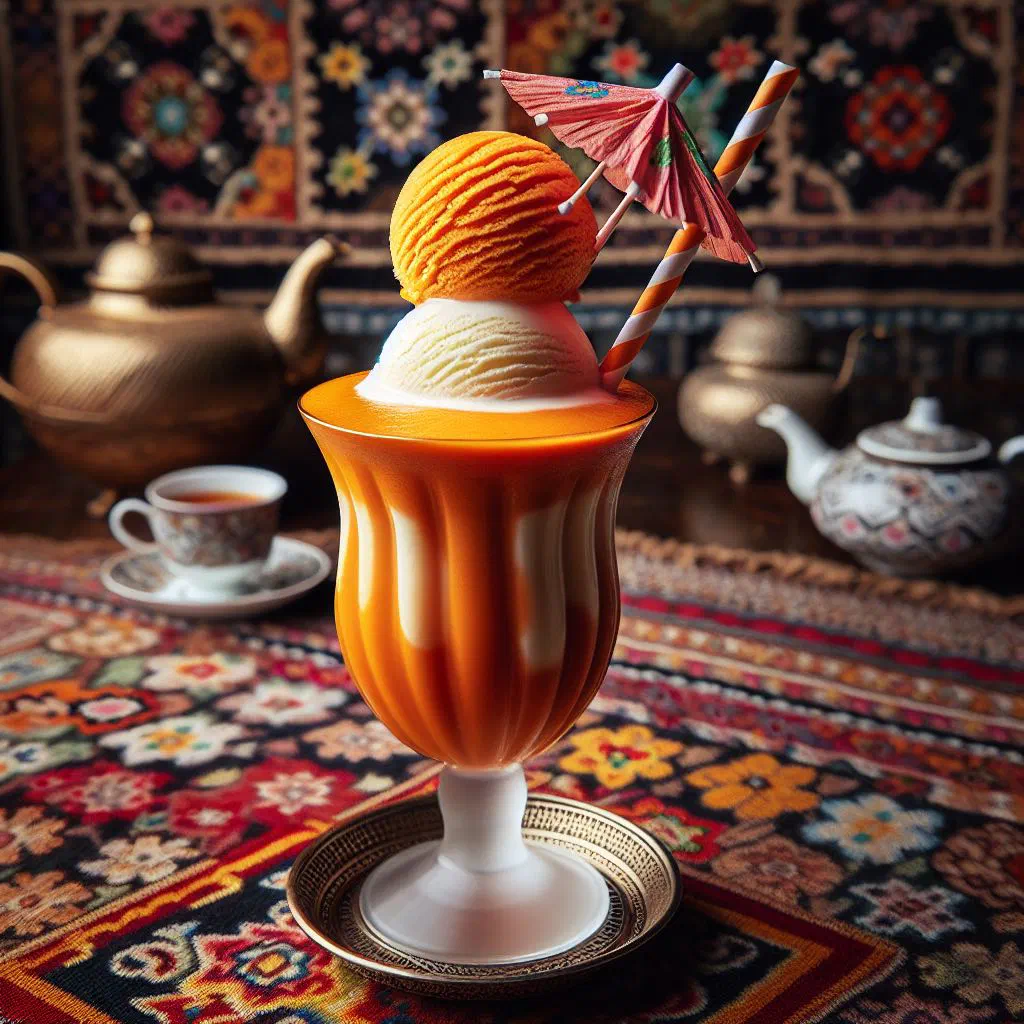
Discover Havij Bastani, a wonderfully refreshing Persian treat that sits happily somewhere between a chilled dessert and a cooling drink. It brings together the natural sweetness of fresh carrots, a silky, creamy base and the gentle crunch of chopped nuts. On a warm summer’s day there are few things more welcome, and the pairing of carrots and almonds delivers both a distinctive flavour and a genuine nutritional boost. This is Iranian comfort in a glass.
About Havij Bastani
Havij Bastani is a traditional Iranian speciality that can be enjoyed either as a luscious dessert or as a refreshing drink. It marries the sweetness of fresh carrots with a creamy texture and warm, nutty aromas that round the whole thing off beautifully. On hot days in particular it offers a welcome bit of cooling and revives the palate. The combination of carrots and almonds gives it a unique flavour profile and brings plenty of health benefits along the way.
Ingredients (serves 1–2)
- 2 large carrots
- 500 ml milk or a plant-based milk alternative
- 2–3 tablespoons sugar (to taste)
- 1 teaspoon vanilla extract
- A handful of chopped almonds or pistachios
- A pinch of cinnamon
- Ice cubes (optional)
Shopping for the ingredients
When shopping for the ingredients for Havij Bastani, fresh, good-quality produce makes all the difference. Look for crisp carrots with a bright orange colour, as these have the most intense flavour. Pay attention too to the quality of the milk or plant-based alternative, since this guarantees a lovely creamy consistency. You will usually find chopped nuts either in the baking aisle or on the international shelf, while spices such as cinnamon are stocked in almost every supermarket.
Preparing the dish
Preparing Havij Bastani is both simple and straightforward. Begin by peeling the carrots thoroughly and grating them, which releases their sweetness and flavour at their best. The chopped nuts can be toasted to taste, which intensifies their aroma nicely. Make sure you also have all the other ingredients close to hand so the whole process runs smoothly.
Step-by-step instructions
- Peel and grate the carrots, then tip them into a blender.
- Add the milk and sugar and blend everything well until you have a smooth, even mixture.
- Add the vanilla extract and cinnamon and blend once more.
- Pour the mixture into glasses and serve with ice cubes if you like.
- Garnish with the chopped nuts as a topping and enjoy.
Gluten-free / lactose-free version
Havij Bastani is easy to prepare gluten-free and lactose-free. Simply use a plant-based milk alternative such as oat or almond milk, both of which are naturally free from gluten. Take care to choose your sweeteners wisely so as to rule out any avoidable sources of gluten. That way anyone with the relevant allergies or intolerances can still enjoy this Persian delicacy.
Tips for vegans and vegetarians
There are plenty of ways to adapt Havij Bastani for vegans too. In place of dairy milk you can use plant-based alternatives such as coconut or soya milk. Be sure to pick a plant-based sugar, as some types are processed using animal products. These little tweaks mean that no one has to miss out and the dish can be enjoyed by everyone.
More tips and tricks
A few tips can make Havij Bastani even more delicious. Experiment with different nuts such as walnuts or pecans to vary the flavour. Add a pinch of nutmeg for an extra layer of depth. The interplay of contrasting textures is what makes this treat so appealing to the palate, much as it does in a chilled bowl of Faloodeh.
Adapting the recipe to your taste
The recipe for Havij Bastani can be tailored entirely to your own preferences. You could use different sweeteners such as honey or agave syrup to achieve subtly different flavours. Experiment too with a range of spices to shape the dessert to your own liking. This flexibility means everyone can find their own favourite version.
Ingredient substitutions
If you do not have every ingredient for Havij Bastani to hand, there are plenty of alternatives you can turn to. Instead of the traditional milk you might use plant-based yoghurt for extra creaminess. If carrots are not available, try sweet potato or pumpkin for a different flavour direction. Simply adjust the amount of sugar to taste so the drink is perfectly balanced.
Drink pairing ideas
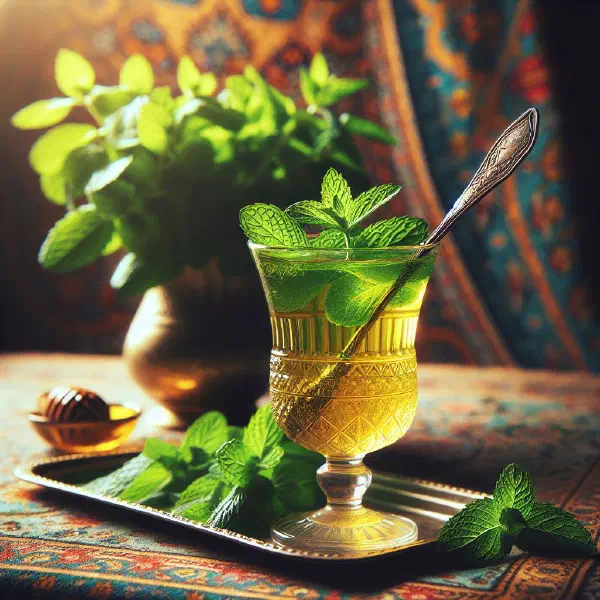
To accompany Havij Bastani at its best, fresh, fruity drinks work well. A mint tea makes a refreshing choice that complements the sweetness of the dessert perfectly. Alternatively you could serve a cucumber lemonade or a lemon-and-ginger tea for an interesting contrast. Pairings like these make for a harmonious tasting experience and round off an Iranian menu nicely.
Serving and presentation ideas
Serve the dessert in attractive glasses and garnish with fresh mint leaves or a pinch of cinnamon. For a touch of elegance you can scatter over a few edible flowers to lift the whole thing visually. Careful presentation turns any meal into a special occasion.
A bit of history
Havij Bastani has a long tradition in Iranian cuisine, stretching back to antiquity. Carrots have always been a prized ingredient in Persian cooking, valued for their sweetness and their nourishment. This treat embodies the marriage of traditional preparation and modern indulgence. So Havij Bastani is more than just a dessert; it is a piece of Iran’s cultural heritage, in the same spirit as the classic Bastani Sonnati.
More recipe ideas
Summary: Havij Bastani
In short, Havij Bastani is a refreshing and versatile treat that brings the ingredients of Iranian cooking together beautifully. The combination of carrots, milk and nuts makes for a truly special tasting experience. With so many ways to adapt and vary it, every guest can enjoy this traditional recipe. Give it a try and bring a little piece of Iranian culture into your own kitchen.