National Dish Iran: Kaleh Joosh (Recipe)
In this article
Meet Kaleh Joosh, a comforting Persian soup that sits close to the heart of Iranian home cooking. Tender pieces of lamb are simmered slowly with a generous handful of fresh herbs and a carefully judged blend of spices, giving the broth its unmistakable, warming aroma. On a cold day there are few better ways to nourish both body and soul, and it comes together with far less effort than its deep flavour suggests.
About Kaleh Joosh
Kaleh Joosh is a traditional Iranian dish and one of the true cornerstones of Persian cuisine. This hearty soup is a genuine pleasure to eat, but it is also proper comfort food that soothes as much as it satisfies. The combination of tender lamb, fresh herbs and a carefully balanced spice mix creates a flavour all its own. On chilly days especially, it offers a gentle, restorative way to warm yourself right through.
Ingredients (serves 1–2)
- 300 g lamb, diced
- 1 large onion, finely chopped
- 2 cloves of garlic, chopped
- 100 g fresh herbs (parsley, coriander, mint)
- 2 tablespoons rice
- 1 teaspoon turmeric
- Salt and pepper, to taste
- 1.5 litres water
Shopping for the ingredients
When shopping for the ingredients for Kaleh Joosh, it really pays to look for fresh, good-quality produce. Visit a local market or trusted butcher to pick up fresh herbs and well-sourced lamb, as these two elements shape the flavour of the finished soup more than anything else. A well-stocked health-food shop will often carry lactose-free alternatives too, should you need them.
Preparing the dish
Preparing the dish is straightforward and takes only a few simple steps. Begin by cutting the lamb into evenly sized pieces so it cooks through at the same rate. While you work, finely chop the onion and garlic. Remember to wash the fresh herbs thoroughly and pat them dry before chopping them, so they keep their bright colour and aroma.
Step-by-step instructions
- Heat a little oil in a large pot and sauté the onions until golden brown.
- Add the lamb and brown it well on all sides.
- Stir in the garlic and turmeric and mix thoroughly.
- Pour in the water and bring it to the boil.
- Reduce the heat and let the soup simmer gently for one hour.
- After 30 minutes, add the rice and let it continue to cook.
- Finally, stir in the fresh herbs and season with salt and pepper to taste.
Gluten-free / lactose-free version
Kaleh Joosh is naturally gluten-free and can be made lactose-free without any trouble. Simply use a lactose-free oil or butter when you sauté the onions. When buying your ingredients, check that no hidden gluten has crept into any of the products you use. This way, people with intolerances can enjoy this delicious soup just as freely as everyone else.
Tips for vegans and vegetarians
For vegans and vegetarians, Kaleh Joosh is easy to adapt. Replace the lamb with a good vegetable stock or tofu, and add more vegetables such as carrots or courgette. The spices and herbs can stay exactly the same, preserving that authentic character. That way, every kind of eater gets a delicious version of the dish to call their own.
More tips and tricks
To get the very best from your Kaleh Joosh, use the herbs as fresh as possible, since they have the greatest influence on the aroma. A small splash of lemon juice lends the soup a lovely, refreshing lift. Letting it simmer a little longer helps the flavours deepen and come together, much as they do in a slow-cooked Ghormeh Sabzi. It is often at its best made the day before, as the flavours settle and mellow overnight.
Adapting the recipe to your taste
The recipe for Kaleh Joosh is easily tailored to your own preferences. Experiment with different herbs, or add a touch of heat with chilli flakes or fresh chillies. You can vary the meat too, chicken works nicely in place of lamb, for a lighter result along the lines of a herb-forward Aash E Reshteh. Small changes like these give you a fresh eating experience every time.
Ingredient substitutions
If some ingredients are hard to find, there is always an alternative. The rice, for instance, can be swapped for quinoa to give a different texture. Dried herbs can stand in for fresh ones and still bring plenty of flavour, though bear in mind they are less intense, so use them sparingly. Fresh herbs remain the star, just as they do in a fragrant Sabzi Polo Ba Mahi.
Drink pairing ideas
A range of drinks pairs beautifully with a bowl of Kaleh Joosh. A traditional Iranian black tea or a fresh yoghurt drink (doogh) complements the flavours wonderfully. For something a little special, serve a pomegranate mocktail that balances fruity sweetness with a gentle fizz. Together, these make for a thoroughly rounded meal.
Serving and presentation ideas
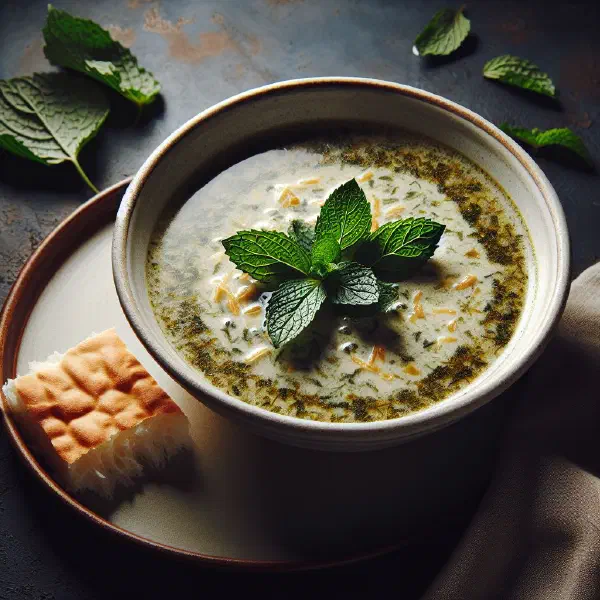
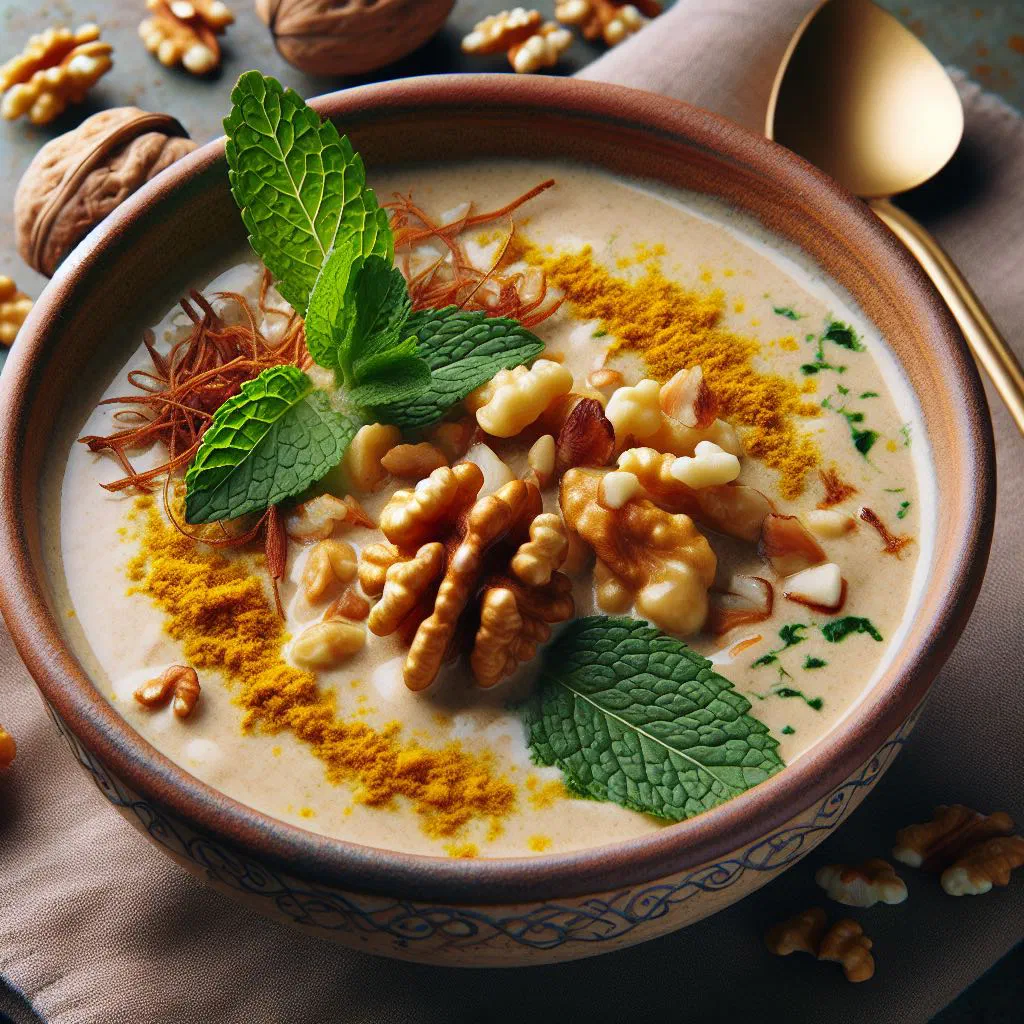
The way you present the soup plays a real part in the pleasure of eating it. Serve Kaleh Joosh in a handmade bowl and garnish it with fresh herbs and perhaps a spoonful of yoghurt. A decorative side such as flatbread or rice rounds the dish off nicely, a warm Naan E Barbari is ideal. Think about colour too, as an appealing arrangement of ingredients adds real visual interest.
A bit of history
Kaleh Joosh has its roots in the rich culinary traditions of Iran. This soup is not merely a source of nourishment; it carries cultural meaning and brings families together around the table. In many Iranian households it is a favourite dish for special occasions and celebrations, its preparation bound up with joy and good company. It reflects the hospitality and warmth that run through Persian culture, and it sits comfortably among the great classics of Iranian cuisine.
More recipe ideas
Summary: Kaleh Joosh
In short, Kaleh Joosh is a lovingly made soup that appeals to with its rich aromas and nourishing ingredients. From its simple preparation to its many possibilities for adaptation, it is a dish with something to offer everyone. Enjoy it as a hearty main course or as a warming starter on cold days. More than that, this soup brings not only comfort to the home but a genuine taste of Iranian culture to the table.