National Dish Iran: Khoresht-e Alu (Recipe)
In this article
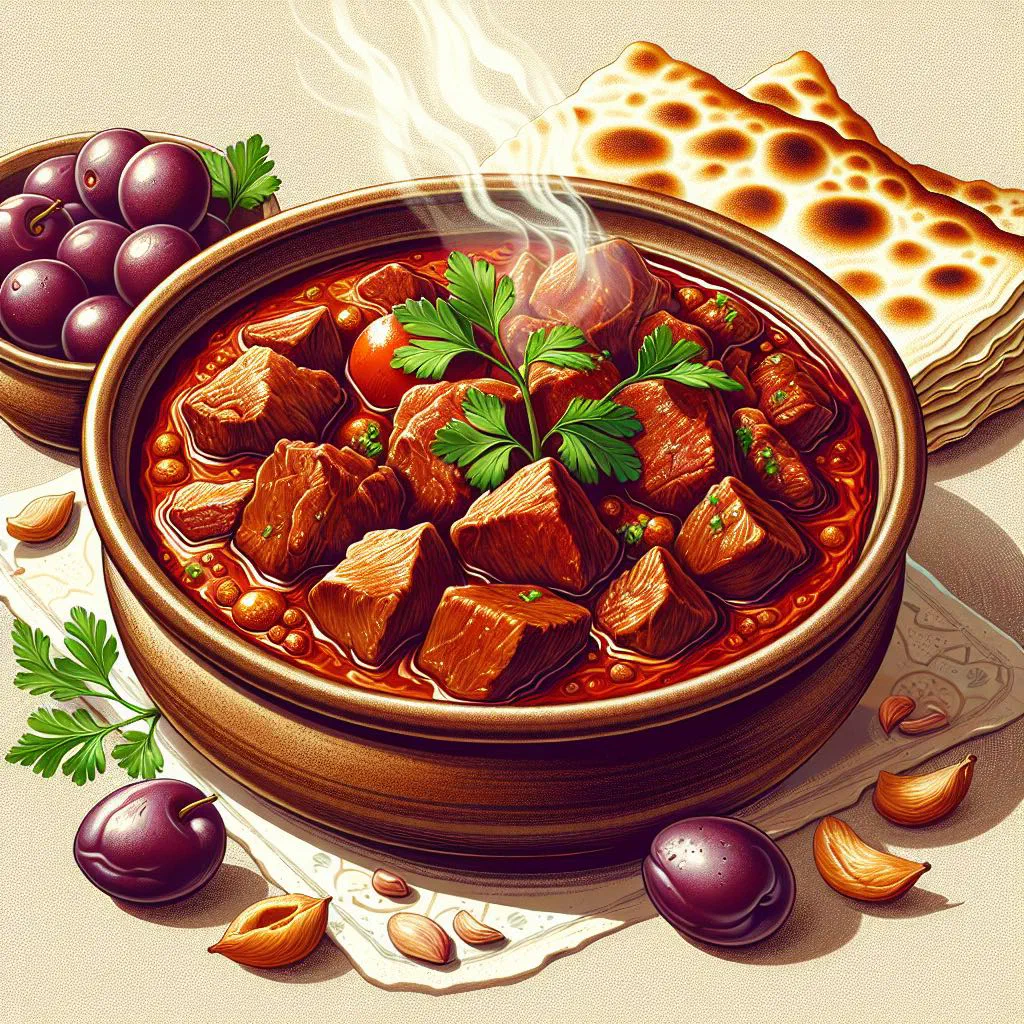
Discover Khoresht-e Alu, a fragrant Persian stew that turns tender meat and sweet prunes into pure comfort on a plate. This is the kind of slow-cooked dish that fills the kitchen with warm, spiced aromas and brings everyone to the table. The gentle interplay of savoury lamb and fruity sweetness is quintessentially Iranian, and it makes for a meal that feels both homely and just a little bit festive. Bring the flavours of Iran to your own kitchen with this timeless classic.
About Khoresht-e Alu
Khoresht-e Alu is a traditional Iranian dish, usually served as a main course. It is a delicious stew that combines tender meat, most often lamb or beef, with fruity prunes. This harmonious pairing of meat and fruit is what makes the dish so distinctive. A handful of traditional spices adds an extra layer of flavour and aroma, turning every serving into a small celebration and a fine example of Iranian cuisine.
Ingredients (serves 1–2)
- 300g lamb or beef, cut into cubes
- 200g prunes, stoned
- 1 large onion, chopped
- 2 tablespoons vegetable oil
- 1 teaspoon turmeric
- 1 teaspoon cinnamon
- Salt and pepper, to taste
- 300ml water
- Fresh herbs (such as parsley or coriander), to garnish
Shopping for the ingredients
When shopping for the ingredients for khoresht-e alu, it is worth choosing the freshest, best-quality produce you can find. The choice of meat is key: look for tender lamb or beef that is well marbled. Fresh prunes lend the dish a natural sweetness and a pleasant texture. The spices should be of good quality too, since they play a central role in developing the overall flavour.
Preparing the dish
Preparing khoresht-e alu is straightforward, though it does call for a little time and patience. Begin by peeling and dicing the onion. The meat should be cut into even pieces so it cooks at a uniform pace. The prunes also need to be stoned and set aside, ready to release their flavour during the cooking process.
Step-by-step instructions
- Heat the oil in a large pan and add the onions. Fry until golden brown.
- Add the meat and brown it all over.
- Sprinkle spices such as turmeric and cinnamon over the meat and stir well.
- Pour in the water and bring to the boil. Reduce the heat and leave the dish to simmer for 1 to 1.5 hours.
- Add the prunes during the final 30 minutes of cooking.
- Season the dish with salt and pepper and garnish with fresh herbs just before serving.
Gluten-free / lactose-free version
Khoresht-e alu is already naturally gluten-free and lactose-free, which makes it an excellent choice for anyone with intolerances. When selecting your spices and oils, just take care that they contain no hidden ingredients that might include gluten or lactose. This dish can therefore be enjoyed with complete peace of mind if you need to keep an eye on such dietary requirements.
Tips for vegans and vegetarians
For a vegan or vegetarian version of khoresht-e alu, you can replace the meat with tofu or seitan. These alternatives offer a similar texture and soak up the spices and aromas of the dish beautifully. You could also fold in extra vegetables such as carrots or sweet potatoes to give the stew more substance. Don’t forget to adjust the cooking time, as plant-based proteins usually cook more quickly than meat.
More tips and tricks
To make khoresht-e alu even more flavoursome, you can add further spices such as cumin or saffron. These ingredients deepen the taste and bring extra health benefits. A slow cooking method over low heat helps the flavours meld together beautifully. The dish tastes even better when prepared a day in advance, as it needs time to really develop, much like a slow-simmered Fesenjan.
Adapting the recipe to your taste
The wonderful thing about khoresht-e alu is that it offers plenty of scope for adjustment to suit personal preference. You can vary the type of meat or the quantity of prunes, depending on how sweet or savoury you like your stew. The spices, too, can be tweaked to bring different flavours to the fore. This way you can easily tailor the dish to your own palate without changing the basic recipe.
Ingredient substitutions
There are plenty of alternatives for the ingredients in khoresht-e alu if certain things aren’t available. In place of lamb or beef, you could use chicken for a lighter option, the same approach that works so well in Khoresht-e Morgh. Instead of prunes, dried apricots or even apples make a fine stand-in, lending the stew a different but equally delicious sweetness. Substitutions like these let you experiment with a range of flavours.
Drink pairing ideas
The best matches for khoresht-e alu are Iranian drinks, such as a cool, tangy pomegranate juice or aromatic mint tea. These drinks harmonise wonderfully with the dish and offer a refreshing contrast. For an alcoholic option, a light red wine could be a suitable choice. Just remember that the drinks should highlight the flavours of the food, so choose with care.
Serving and presentation ideas
The presentation of your khoresht-e alu plays a big part in the enjoyment of the meal. Serve the dish in a lovely, large bowl and garnish it with fresh herbs to bring out the colours and freshness. A side of steamed rice, fluffy and fragrant, in the spirit of Baghali Polo, makes the ideal accompaniment. Arrange the whole spread on an attractive table, perhaps with a few more Iranian side dishes, to create an inviting and festive atmosphere.
A bit of history
Khoresht-e Alu has a long and significant history in Persian cuisine. This dish is part of the country’s culinary traditions and reflects the cultural values and spiritual richness of Iran. Khoresht means “stew” and alu stands for “prune”, which neatly describes the main components of the dish. In Iran it is customary to serve such dishes at festive occasions or family gatherings, underlining the importance of hospitality and the sharing of food.
More recipe ideas
Summary: Khoresht-e Alu
In summary, Khoresht-e Alu is a delicious example of the rich and varied cuisine of Iran. The combination of tender meat, fruity prunes and warming spices brings a unique taste experience to the table. This dish tells a story of culture, pleasure and hospitality. Experience the flavours of Iran and let this wonderful stew win you over.