National Dish Iran: Khoresht-e Bademjan (Recipe)
In this article
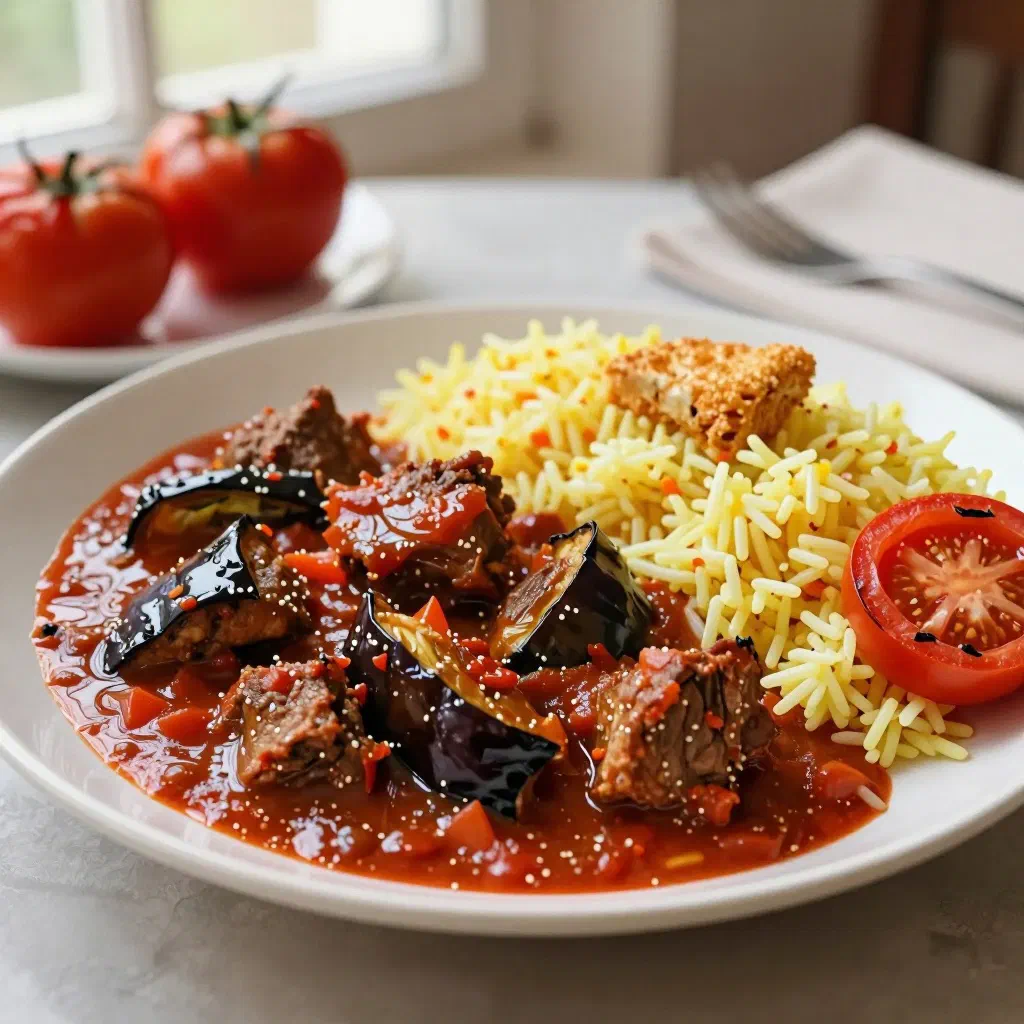
Meet Khoresht-e Bademjan, a soul-warming aubergine stew that sits at the very heart of the Persian table. Tender slices of aubergine are simmered with succulent meat and a fragrant blend of turmeric and cumin until everything melts together into a rich, comforting dish. It takes a little time and patience, but the reward is a deeply satisfying meal that graces both festive gatherings and quiet family suppers. Serve it with fluffy rice and let the aromas of Iran fill your kitchen.
About Khoresht-e Bademjan
Khoresht-e Bademjan is a traditional Iranian aubergine stew, celebrated for its rich flavours and its wonderful interplay of textures. The main players are tender aubergines, juicy meat and a carefully chosen selection of aromatic spices that make this dish a festive highlight in many Iranian households. Getting it right takes a little time and patience, but the result is a tasty, hearty stew that appeals to the palate and nourishes the soul in equal measure. It is most often served with rice and is perfectly suited to special occasions or a relaxed evening meal.
Ingredients (serves 1–2)
- 2 medium aubergines
- 250 g beef or lamb, diced
- 1 large onion, chopped
- 2 cloves garlic, finely chopped
- 2 tomatoes, chopped
- 1 tsp turmeric
- 1 tsp cumin
- Salt and pepper to taste
- 2 tbsp oil
- 1 cup water
Shopping for the ingredients
To make Khoresht-e Bademjan really sing, it is worth seeking out the best ingredients so the flavours can develop fully. Visit an Asian or Iranian grocery to track down fresh aubergines and good-quality spices. When it comes to the meat, quality is key; cheaper cuts can dull the overall taste, so choose well. Fresh spices matter just as much. They give the dish the depth and complexity that set a great Persian stew apart.
Preparing the dish
Preparing Khoresht-e Bademjan involves a few simple steps that can make all the difference to the finished dish. Begin by slicing the aubergines and salting them lightly so they release their liquid and lose any bitterness. Leave them to sit for around 30 minutes, then rinse and pat them dry. This improves the flavour and means the aubergines soak up far less oil when you fry them.
Step-by-step instructions
- Heat the oil in a pan and add the chopped onion. Fry until golden brown.
- Add the diced meat and brown it well on all sides.
- Sprinkle the turmeric and cumin over the meat and stir everything together thoroughly.
- Stir in the chopped tomatoes and garlic and let them cook down briefly.
- Pour in a cup of water, bring to the boil, then lower the heat and let it simmer gently for about 1.5 hours.
- Meanwhile, fry the prepared aubergines in a pan until golden brown.
- Once the meat is tender, add the aubergines to the stew and simmer everything for a further 30 minutes.
Gluten-free / lactose-free version
Khoresht-e Bademjan is naturally gluten-free and lactose-free, which makes it an ideal choice for anyone with particular food intolerances. Do take care, however, to check the ingredient lists when buying spices and stock, to make sure they contain no hidden sources of gluten or lactose. This makes the dish a brilliant option for a wide range of diets and dietary needs.
Tips for vegans and vegetarians
For a vegan or vegetarian take on Khoresht-e Bademjan, simply swap the meat for diced tofu or seitan. These ingredients readily soak up the flavours of the spices and provide a protein-rich alternative. You could also add extra vegetables such as carrots or peppers to make the dish even more nourishing. Just remember to adjust the cooking time, as tofu and vegetables need far less time to turn tender.
More tips and tricks
You can lift Khoresht-e Bademjan even higher by using top-quality spices and ingredients. Try adding a splash of pomegranate molasses or a squeeze of lemon juice to bring in an extra dimension of flavour. Even heat distribution during cooking is also crucial, ensuring everything cooks through properly without boiling away. Slow, gentle simmering lets the aromas melt into one another, creating a wonderfully harmonious result.
Adapting the recipe to your taste
The flexibility of the recipe makes Khoresht-e Bademjan an ideal dish for anyone who loves to experiment. You can adjust the amount of spice to suit your own palate or reach for alternative ingredients to create new flavours. You can also vary the consistency of the sauce by adding more or less water. If you like a bit of heat, fresh chilli or cayenne pepper will give the stew a spicy kick.
Ingredient substitutions
Several ingredients in Khoresht-e Bademjan can easily be swapped or left out without spoiling the essential character of the dish. Instead of beef or lamb you could use chicken, which makes the stew lighter and quicker to cook, much like the poultry that stars in Fesenjan. If you have no fresh tomatoes to hand, a little tomato purée delivers a more intense tomato note. It is always worth drawing inspiration from the traditional recipes while leaving room for your own personal variations.
Drink pairing ideas
Several drinks work beautifully alongside Khoresht-e Bademjan. A robust Iranian red wine or a refreshing pomegranate mocktail harmonises nicely with the flavours of the stew. For those who prefer to go alcohol-free, a minty yoghurt drink or a chilled lemonade makes an excellent choice.
Serving and presentation ideas
Presentation can have a real impact on how a dish is enjoyed. Serve Khoresht-e Bademjan in a stylish tagine or a traditional Iranian ceramic dish to make the meal even more appealing. Garnish with fresh herbs such as parsley or mint for a welcome splash of colour. A scattering of toasted nuts or pomegranate seeds improves not just the look but also adds extra texture and flavour, echoing the fresh herbs that brighten a plate of Mirza Ghasemi.
A bit of history
Khoresht-e Bademjan has a long history within Iranian cuisine and forms part of a culinary heritage passed down through the generations. The stew showcases the diversity of Persian flavours and the art of slow, careful cooking. It is often prepared for festive occasions, and eating it is accompanied by stories and traditions rooted deep in Iranian culture. The use of aubergines in Persian cooking also reflects the richness of the land and a genuine appreciation for seasonal produce, a thread that runs through all of Iranian cuisine.
More recipe ideas
Summary: Khoresht-e Bademjan
Khoresht-e Bademjan is far more than just a dish; it is an expression of Iranian culture and tradition. Through its combination of tender aubergines, flavoursome meat and aromatic spices, this stew offers a truly distinctive taste experience. Khoresht-e Bademjan is a dish that never disappoints. Let its aromas cast their spell and discover the true essence of Persian cooking through this delicious recipe.