National Dish Iran: Khoresht-e Karafs (Recipe)
In this article
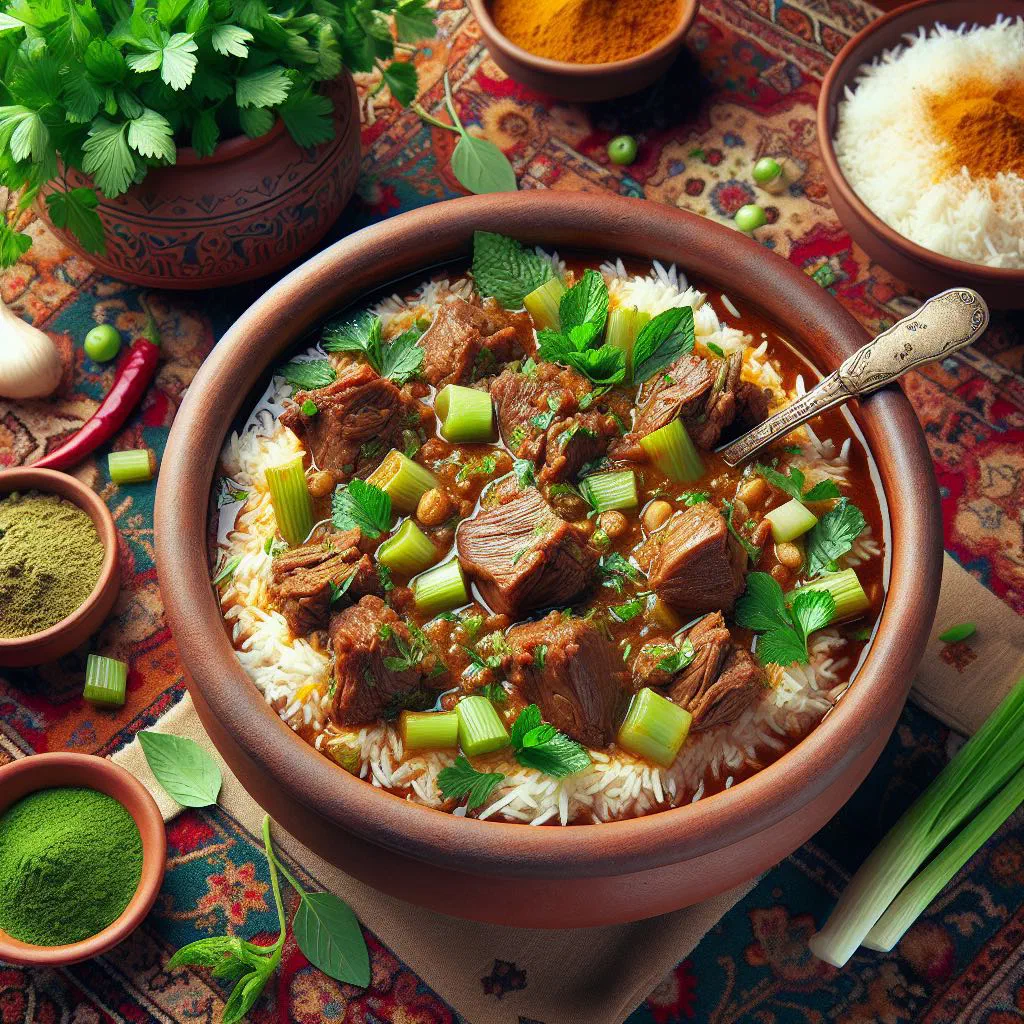
Discover Khoresht-e Karafs, a fragrant Persian stew that brings together tender chunks of meat and crisp celery in a herb-laden sauce. Perfumed with fresh parsley and mint and gently warmed by turmeric, it is the kind of slow-cooked comfort food that Iranian home cooks return to again and again. Served over a mound of steaming rice, it turns both a quiet family supper and a festive spread into something memorable.
About Khoresht-e Karafs
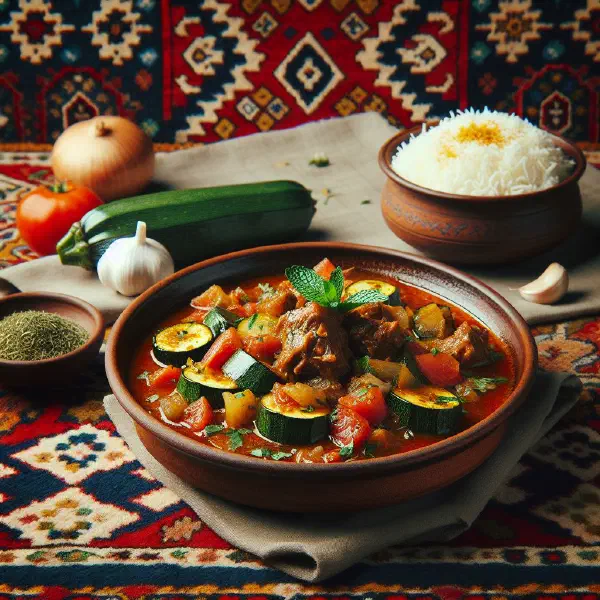
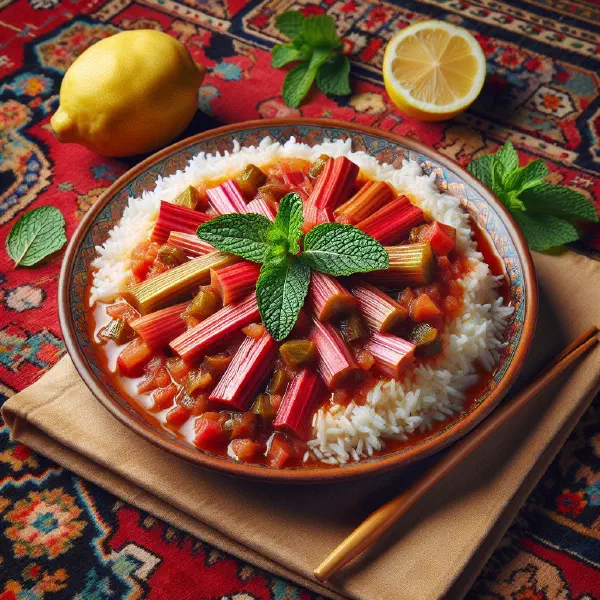
Khoresht-e Karafs is a wonderful Iranian dish that unites celery and tender pieces of meat in an aromatic stew. This traditional recipe is much loved in Persian cuisine and is almost always served with fluffy steamed rice. The combination of fresh herbs, gentle spices and the melting texture of the meat makes it a real feast for the senses. Khoresht-e Karafs is ideal for special occasions, yet it is equally at home as a relaxed midweek dinner.
Ingredients (serves 1–2)
- 300g beef or lamb, cubed
- 1 large onion, finely chopped
- 2 sticks celery, sliced
- 1 bunch parsley, finely chopped
- 1 bunch mint, finely chopped
- 2–3 tablespoons tomato purée
- 1 teaspoon turmeric
- Salt and pepper, to taste
- 2–3 tablespoons oil, for frying
- Water, as needed
Shopping for the ingredients
To make Khoresht-e Karafs at its best, buy your ingredients as fresh as possible. This matters especially for the herbs, since they carry so much of the dish’s flavour and aroma. Visit your local market or a Middle Eastern grocery to find good-quality, fresh produce. Don’t overlook the meat either. It should be tender and well marbled to give you the best possible result.
Preparing the dish
Before you start cooking, take a little time to prepare everything. Cut the meat into even cubes and finely chop the onion and herbs. The celery should be sliced thinly so that it cooks evenly and keeps a pleasant bite. Browning the onions and meat lays the flavour foundation for the whole stew, so it is worth getting these ingredients properly ready before you begin.
Step-by-step instructions
- Heat the oil in a large pot and add the chopped onion. Fry until golden brown.
- Add the meat and sear it until it is nicely browned on all sides.
- Sprinkle over the turmeric, salt and pepper and stir well.
- Stir in the tomato purée until evenly combined.
- Pour in enough water to cover the meat and let it simmer gently over medium heat.
- After about 30 minutes, add the sliced celery and the chopped herbs.
- Cook for a further 30–40 minutes, until the meat is meltingly tender.
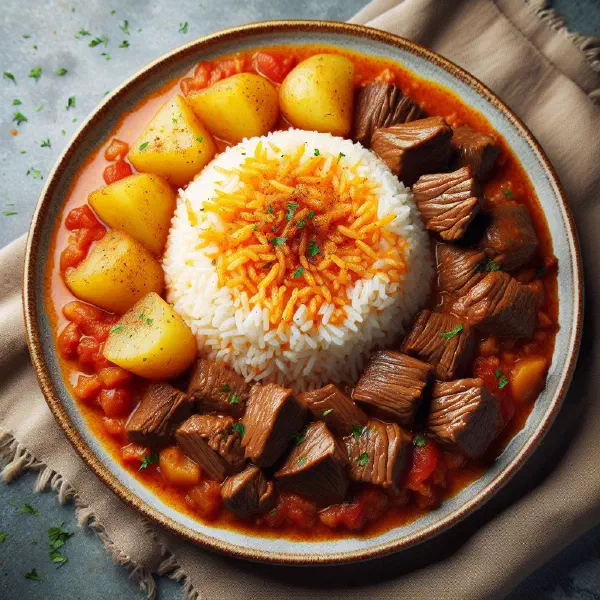
- Serve Khoresht-e Karafs hot, with steaming rice.
Gluten-free / lactose-free version
Khoresht-e Karafs is naturally gluten-free and lactose-free. Simply use fresh, unprocessed ingredients to make sure there are no hidden allergens lurking in the pot. This makes the dish an excellent choice for anyone with special dietary needs. You can enjoy every spoonful without a second thought while savouring its delicious flavours.
Tips for vegans and vegetarians
Vegans and vegetarians can easily adapt Khoresht-e Karafs by swapping the meat for plant-based alternatives. A mix of chickpeas and extra vegetables makes the stew just as satisfying and full of flavour. Experiment with different herbs and spices to build up the depth of taste. These small changes ensure the dish suits vegan and vegetarian diets without losing its character.
More tips and tricks
To intensify the aroma of Khoresht-e Karafs, use fresh herbs and hold off adding them until later in the cooking. Let the stew simmer slowly so the flavours have time to meld and deepen. A squeeze of lemon juice just before serving lends extra freshness and a welcome hint of acidity. Remember to adjust the seasoning to your own taste for a personal touch. The same low-and-slow patience rewards a pot of Ghormeh Sabzi.
Adapting the recipe to your taste
Everyone has different preferences when it comes to flavour and texture, and Khoresht-e Karafs is easy to tailor. If you love a bit of heat, add a pinch of chilli flakes. For more vegetables, fold in carrots, potatoes or green beans, which bring extra colour and nutrients to the pot. The flexibility of this recipe means you can shape it entirely around your own taste.
Ingredient substitutions
If you don’t have every ingredient for Khoresht-e Karafs to hand, there are some handy alternatives. Celery can be replaced with fennel, for example, which gives the stew an interesting anise-like note. The meat, meanwhile, can be swapped for tofu or tempeh for a plant-based version. Be creative and discover which ingredients suit your palate best, much as the split peas do in a hearty Gheymeh.
Drink pairing ideas
A cool yoghurt drink such as doogh pairs beautifully with Khoresht-e Karafs, complementing its herby richness. A fresh mint tea is another excellent choice, gently balancing the spices of the dish. If you prefer something more festive, a refreshing pomegranate cooler rounds out the flavours wonderfully. Choose something light so it supports the food rather than overpowering it.
Serving and presentation ideas
Thoughtful presentation of Khoresht-e Karafs can impress your guests and turn the meal into a special occasion. Serve the stew in a rustic bowl and garnish it with fresh herbs or lemon wedges. A generous, inviting layer of fragrant rice alongside looks especially appealing. Aim to bring out the colours of the ingredients for a truly appetising spread, a briny plate of Zeytoon Parvardeh makes a lovely starter.
A bit of history
Khoresht-e Karafs is not merely a dish but a piece of Iranian culture and tradition. It reflects the culinary artistry of Iran, where fresh ingredients and fragrant spices play a decisive role. Celery, an often-overlooked vegetable, has a long history in Persian cuisine and is prized for its healthful qualities. This stew offers a tour into the roots of Iranian cuisine, passed lovingly from one generation to the next.
More recipe ideas
Summary: Khoresht-e Karafs
Khoresht-e Karafs is a tasty and aromatic Iranian dish that harmoniously unites celery and meat. With its fresh herbs and layered spices, it is a treat for the palate and a feast for the eyes. This stew brings the authentic flavour of Persian cuisine straight to your table. Let the wealth of aromas enchant you and discover the cultural roots tucked into every bite.