National Dish Iran: Kolompeh (Recipe)
In this article
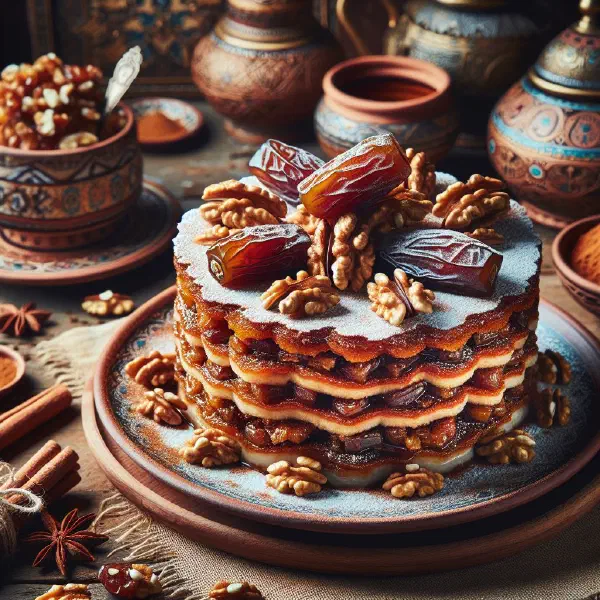
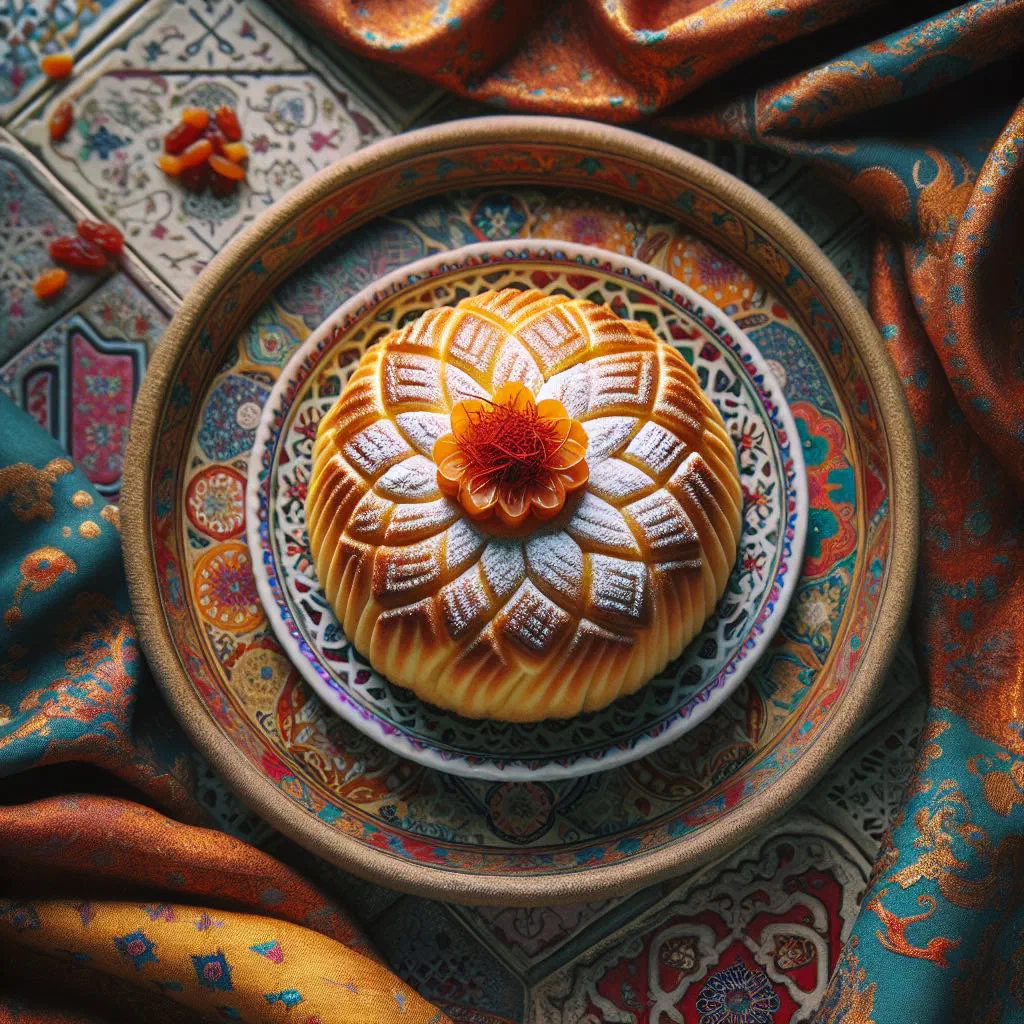
Discover Kolompeh, a treasured pastry from Iran that carries the warmth of the Kerman region in every bite. A delicate, buttery shell wraps a fragrant filling of walnuts and dates, gently perfumed with cardamom. The result is a sweet, aromatic treat that brings together deep historical roots and simple, homely pleasure. Bake a batch and you will bring a little piece of Iranian hospitality straight into your own kitchen.
About Kolompeh
Kolompeh is a traditional Iranian pastry, especially cherished in the region of Kerman. With its tender pastry casing and a luscious filling of walnuts and dates, it offers a taste experience unlike any other. The distinctive aromas and the careful, handmade craft behind it make Kolompeh a real highlight of Iranian culture. If you are looking for a new bake that unites historical heritage with everyday enjoyment, this is the perfect choice.
Ingredients (serves 1–2)
- 200 g plain flour
- 100 g butter or margarine
- 100 g dates, stoned and finely chopped
- 50 g walnuts, roughly chopped
- 50 g sugar
- 1 tsp ground cardamom
- A pinch of salt
- Water, as needed
Shopping for the ingredients
To make Kolompeh a success, look for fresh ingredients at a well-stocked grocery or, better still, an Iranian specialist shop. Choose dates that are soft and juicy, as they make for the very best filling. Walnuts are easy to find in the fresh produce or nut section of most supermarkets. It is also worth picking a good-quality flour to achieve the ideal, tender dough.
Preparing the dish
Before you begin making Kolompeh, gather all your ingredients and have them ready. Measure the quantities carefully and make sure the dates and walnuts are chopped small, so the filling stays even throughout. You can also get the butter mixture ready in advance by warming the butter slightly, which helps it blend smoothly into the flour. A little thorough preparation makes the whole process easier and ensures you never miss a step along the way.
Step-by-step instructions
- In a bowl, mix the flour with the sugar and salt.
- Add the softened butter and knead everything together well.
- Add a little water as needed until you have a smooth, pliable dough.
- Wrap the dough in cling film and let it rest in the fridge for 30 minutes.
- Meanwhile, combine the dates with the walnuts and the ground cardamom.
- Take the dough from the fridge, roll it out in portions and top with the filling.
- Fold the edges of the dough over and place the filled parcels on a baking tray.
- Bake in a preheated oven at 180 °C for about 20–25 minutes, until golden brown.
Gluten-free / lactose-free version
For a gluten-free version of Kolompeh, simply swap the wheat flour for gluten-free flour. There are now plenty of gluten-free flour blends that work beautifully here. You can also replace the butter with a plant-based or lactose-free alternative to suit those with a lactose intolerance. With these small adjustments the pastry keeps its wonderful flavour and can be enjoyed by a far wider circle of guests.
Tips for vegans and vegetarians
For anyone who would like a vegan version of Kolompeh, replace the butter with a vegan margarine or plant oil. When buying the dates, check that they have not been processed with any animal products. Using unrefined plant-based sugar or a little agave syrup can also make a suitable alternative. That way you can enjoy the delicious taste of Kolompeh with no animal ingredients at all.
More tips and tricks
To make your Kolompeh even more fragrant, add a pinch of extra spice such as cinnamon or nutmeg to the filling. These spices harmonise wonderfully with the sweet dates and bring an added layer of flavour. Another idea is to brush the filled parcels with a little honey or syrup before baking, for a glossy, golden finish. Small touches like these make the bake feel more personal and lend it a truly special character.
Adapting the recipe to your taste
Kolompeh lends itself brilliantly to adjustment according to personal taste. Vary the filling by using other nuts such as almonds or pistachios. You can also add different dried fruits like figs or apricots to explore new flavours. Be creative and adapt the recipe to seasonal ingredients or your own preferences, so you can enjoy fresh variations of the pastry time and again.
Ingredient substitutions
If you are missing some of the ingredients, there are plenty of alternatives to hand. Instead of dates you might use dried apricots or raisins, though do keep an eye on the overall sugar content. For anyone with a nut allergy, the walnuts can be replaced with oats or grated coconut. With a little imagination most of the recipe can be adapted to suit, so everyone can enjoy their own individual take on Kolompeh, much as you might do with the date-rich Ranginak.
Drink pairing ideas
The perfect drink to serve with Kolompeh is a strong black tea, which complements the sweet aromas of the pastry beautifully. A fresh mint tea also works very well against the nutty, sugary flavours. For an alcohol-free option, consider an orange or pomegranate juice, which underlines the taste notes wonderfully. With the right drinks, your gathering or afternoon tea becomes an occasion to remember.
Serving and presentation ideas
Presentation plays a big part in serving Kolompeh. Decorate the plates with edible flowers or fresh mint leaves for an inviting look. Arrange the pastries on an elegant plate or in a pretty basket, accompanied by a fragrant tea. With a few artful touches you instantly create a festive atmosphere to suit any occasion.
A bit of history
Kolompeh has a long tradition in the Iranian kitchen and is often served at celebrations and festivals. It is a much-loved dessert and a mark of hospitality and heritage in Iranian culture. The ingredients and methods vary from region to region, with each family adding its own secrets to the making. Baking Kolompeh brings the generations together, and it is a wonderful way to experience the richness of Iranian cuisine.
More recipe ideas
Summary: Kolompeh
Kolompeh is a delicious example of Iranian baking and culinary tradition. With its distinctive filling of dates and walnuts and its tender pastry shell, it is a joy to prepare for special occasions or simply for your own pleasure. Whether in its classic form or in an adapted version, Kolompeh always delivers a memorable taste. Give it a try and bring a piece of Iranian culture into your home.