National Dish Iran: Kotlet (Recipe)
In this article
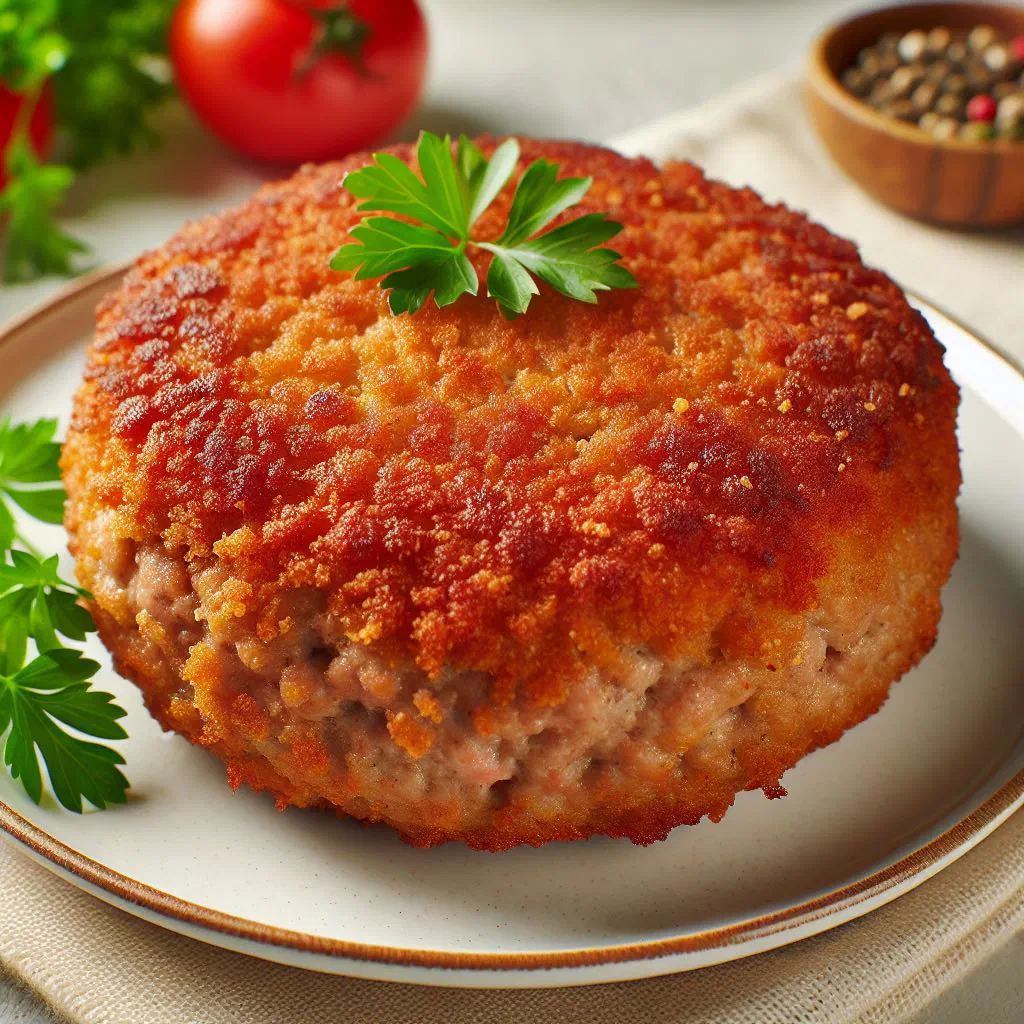
Meet Kotlet, one of Iran’s most beloved home-cooked classics. These golden, oval meat patties blend seasoned minced meat with mashed potato and warming spices for a bite that is crisp on the outside and wonderfully tender within. Simple to make yet endlessly satisfying, kotlet turns up at family lunches, picnics and celebrations alike, a comforting taste of the Orient you can bring to your own table with ease.
About Kotlet
Kotlet is a traditional dish from Iran that many families treasure as an everyday favourite. These delicious patties are made from a mixture of minced meat, boiled potato and a handful of spices that capture the flavours of the Orient. The contrast between a crisp crust and a soft, juicy centre makes kotlet the highlight of any spread. Whether cooked for the family or for guests, it never fails to please and lends itself to plenty of variations.
Ingredients (serves 1–2)
- 250 g minced meat (beef or lamb)
- 1 large potato
- 1 small onion
- 1 egg
- Salt and pepper, to taste
- 1 tsp turmeric
- Breadcrumbs, as needed
- Oil, for frying
Shopping for the ingredients
When shopping for the ingredients for kotlet, choose fresh minced meat, as it is decisive for the final flavour. A visit to a local butcher is the best way to make sure the meat is of high quality. The potato matters too, floury potatoes give the best texture for the patties. Look out for fresh onions and spices so the dish can develop its full, rounded taste.
Preparing the dish
To make kotlet, the ingredients need to be well prepared. First, the potato is boiled and then mashed. The minced meat is combined with the grated onion, the mashed potato, the egg and the spices. Let the mixture rest for a while so the flavours can meld and the patties hold together more easily when you shape them.
Step-by-step instructions
- Boil the potato in salted water until soft, then leave to cool and mash.
- In a bowl, thoroughly combine the minced meat, mashed potato, grated onion, egg, salt, pepper and turmeric.
- Let the mixture rest briefly so it firms up.
- Shape the meat mixture into flat, patty-like ovals.
- Coat the patties in breadcrumbs.
- Heat plenty of oil in a pan and fry the kotlet until golden brown on both sides.
- Drain the finished kotlet on kitchen paper and serve warm.
Gluten-free / lactose-free version
For a gluten-free version, swap the breadcrumbs for a suitable alternative such as ground almonds or oats. Lactose-free options are easy too; simply serve without yogurt-based accompaniments and use a neutral oil for frying. Do check every other ingredient, especially the spices, for possible intolerances. That way even guests with allergies can enjoy delicious kotlet without worry.
Tips for vegans and vegetarians
For vegans and vegetarians, kotlet can be made in a plant-based version. Use pulses such as chickpeas or lentils, mashed and mixed with the same spices, to achieve a similar texture while keeping those lovely aromas. Adding a little grated carrot or courgette brings extra nutrients and flavour, much like the herb-packed Kookoo Sabzi that many Iranian cooks serve as a meat-free main.
More tips and tricks
An important tip when making kotlet is not to overcrowd the pan. Doing so stops the patties browning evenly and turning crisp. A thin layer of oil is equally crucial for the perfect crust. Consider frying the kotlet a little longer over low heat so they cook through evenly and stay juicy. For even more flavour, fold fresh herbs such as parsley or coriander into the mixture.
Adapting the recipe to your taste
Kotlet adapts beautifully to personal preference. Vary the spices to suit you; a pinch of cayenne pepper, for example, adds a pleasant warmth. Experiment with different meats, or use a mix of beef and lamb for interesting nuances of flavour. Stirring a little grated cheese into the mixture can also lend a special creaminess.
Ingredient substitutions
If you dislike onions or react badly to them, you can replace them with garlic or leave them out entirely. There are alternatives for the potato too: sweet potatoes bring a gently sweet note that harmonises well with the other flavours. Breadcrumbs can be swapped for crushed cornflakes or even ground nuts if needed. Substitutions like these let you cook flexibly without losing the flavour you are after.
Drink pairing ideas
A range of drinks rounds off the kotlet experience nicely. A refreshing yogurt drink (doogh) with mint is an excellent choice for supporting the flavours. Alternatively, an unsweetened fruit tea or a fine red wine makes a fine companion. For alcohol-free options, sparkling water or a special Persian lemonade complements the savoury taste of the kotlet wonderfully.
Serving and presentation ideas
To present kotlet attractively, arrange the patties on a colourful plate and garnish with fresh herbs. A side of fresh salads and a cooling yogurt dip such as Mast o Khiar not only adds colour but pairs beautifully with the flavours of the dish. Use a nice tablecloth and appealing crockery to create an inviting atmosphere. We eat with our eyes, after all, and a lovely presentation heightens the whole experience.
A bit of history
Kotlet has its origins in Iran and forms part of the country’s rich Iranian gastronomy. There are countless regional variations, most of them rooted in family tradition. The way kotlet is made has evolved over generations and it is often served as a Sunday lunch or festive dish. Its popularity is clear from its versatility and the great number of adaptations found throughout Iranian cuisine.
More recipe ideas
Summary: Kotlet
In this article we have discovered the appeal of Iran’s national dish, kotlet. It is easy to prepare, and the sheer range of combinations leaves nothing to be desired. Hearty, vegan or gluten-free, kotlet has something for every taste. Let the flavours of the Orient tempt you and enjoy this wonderful dish as a main course or a side.