National Dish Iran: Kuku Sabzi (Recipe)
In this article
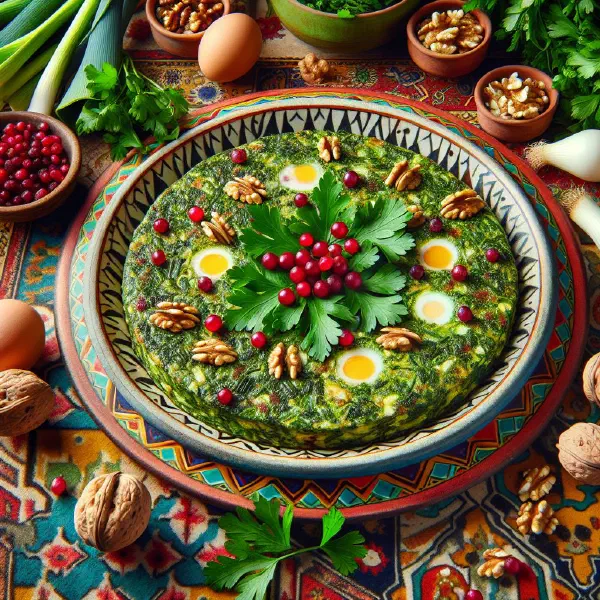
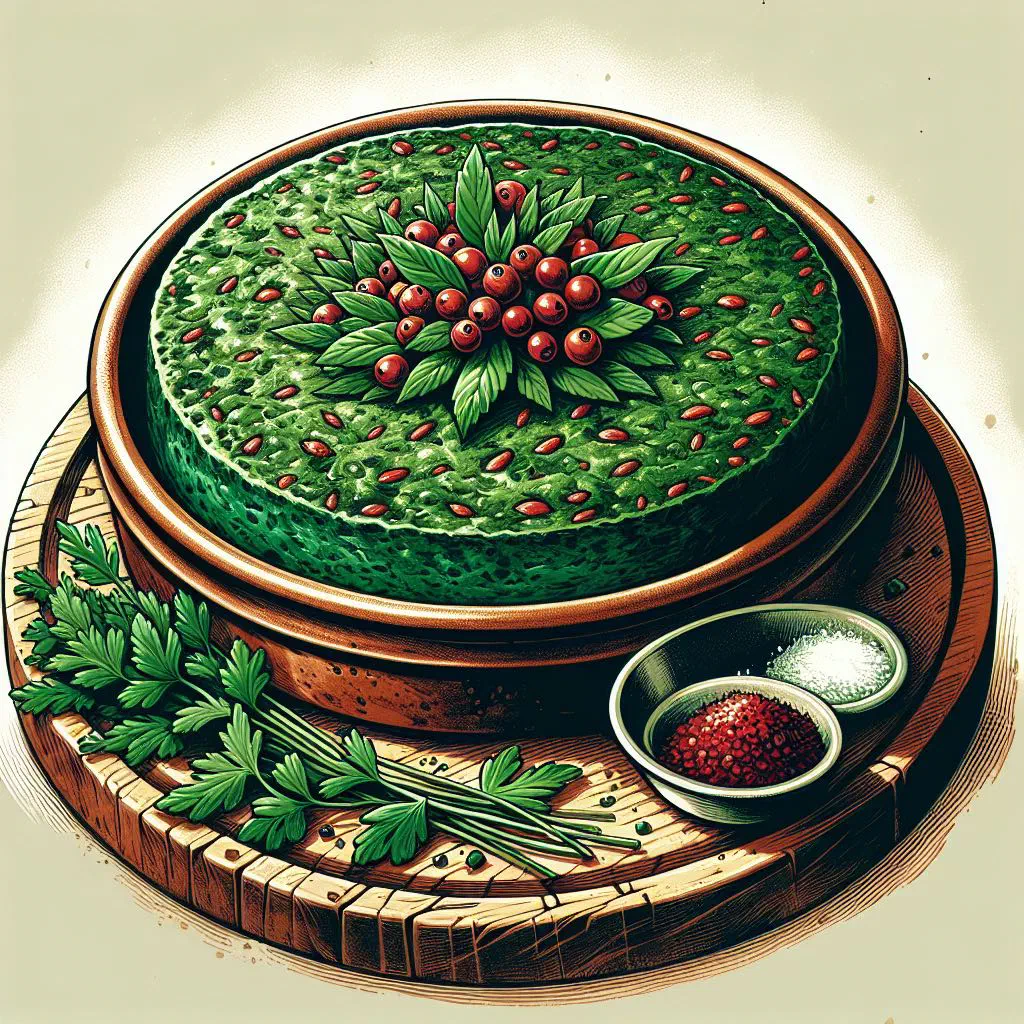
Say hello to Kuku Sabzi, Iran’s bright green herb omelette and a true celebration of fresh flavour. Packed with parsley, coriander and chives, this dish is as nourishing as it is fragrant, with eggs binding the herbs into tender, golden slices. Traditionally served for the Persian New Year, it works beautifully as a light main course or a colourful side. Bring a little of Iran’s herb-forward cooking to your own table with this simple, wholesome classic.
About Kuku Sabzi
Kuku Sabzi is a traditional Iranian herb omelette made with an abundance of fresh herbs, eggs and a handful of wholesome extras. It is prized above all for being rich in both aroma and nutrients, and it has earned its place as one of the most cherished dishes in the Iranian kitchen. The main players are parsley, coriander and chives, which give the omelette its fresh, lively character. Kuku Sabzi can be served as a main course or as a side, and it is especially well suited to festive gatherings and special occasions.
Ingredients (serves 1–2)
- 4 eggs
- 100 g fresh parsley
- 50 g fresh coriander
- 30 g fresh chives
- 1 tsp turmeric
- 1 tsp salt
- 1/2 tsp pepper
- 150 g walnuts (optional)
- Oil for frying
Shopping for the ingredients
For Kuku Sabzi it is well worth choosing the freshest herbs you can find, as they have an enormous influence on the flavour of the dish. Make sure the leaves are not wilted and that they smell intensely fragrant. The quality of the eggs matters too; fresh, organic eggs are ideal for the best possible aroma. If you decide to add walnuts, they should be fresh and crisp to improve the texture.
Preparing the dish
Before you begin making Kuku Sabzi, all the ingredients should be washed and prepared properly. The herbs need to be cleaned thoroughly, patted dry and then finely chopped. A clean work surface and a sharp knife are a great help here. It is also sensible to keep every other ingredient within reach so the cooking process runs smoothly from start to finish.
Step-by-step instructions
- Combine the fresh herbs (parsley, coriander and chives) thoroughly in a bowl.
- Crack the eggs into a separate bowl and season with turmeric, salt and pepper.
- Fold the herb mixture into the eggs and stir until well combined.
- Optional: roughly chop the walnuts and stir them through the mixture too.
- Heat the oil in a pan and pour in the mixture in an even layer.
- Fry over medium heat for around 10 to 15 minutes, until the underside is golden brown.
- Turn the omelette to cook the other side and continue until it is cooked all the way through.
- Transfer the finished Kuku Sabzi to a plate and garnish to taste.
Gluten-free / lactose-free version
Kuku Sabzi is naturally gluten-free and lactose-free, which makes it an ideal choice for anyone with intolerances. When preparing it, simply make sure any additional ingredients you use are gluten-free as well. This is especially worth checking if you plan to add walnuts or particular oils. With a selection of fresh ingredients the dish stays delicious and healthy and full of nutrients.
Tips for vegans and vegetarians
For vegans, the recipe can be adapted by replacing the eggs with a plant-based alternative such as tofu or chickpea flour whisked with water. These alternatives offer a similar consistency while still letting the aromatic herbs shine. Vegetarians who eat eggs, meanwhile, can turn Kuku Sabzi into a genuinely nourishing dish much like a herb-rich Ash Reshteh. Remember to pay attention to the quality of your ingredients to draw out the very best flavour.
More tips and tricks
To get the best results with Kuku Sabzi, use herbs that are as fresh and crisp as possible. You can also vary the cooking time depending on how creamy you want the inside of the omelette to be. Experiment with the amount of spice to make the dish your own, and try adding other vegetables or seasonings to refine it further. Small tweaks like these make a real difference to the final result.
Adapting the recipe to your taste
Kuku Sabzi is an extremely versatile dish that is easy to adapt to your personal preferences. Add other fresh herbs such as mint or tarragon to create a new flavour direction. Combining different kinds of nuts can also bring interesting textures and aromas to the table.
Ingredient substitutions
If you do not have certain ingredients to hand, that is no problem at all. The herbs can be swapped according to what is available, dill or fennel fronds both work well. For an even richer texture you can use almonds or pistachios in place of the walnuts, the same generous spirit you find in a hearty Kashk e Bademjan. Be ready to experiment and shape the recipe to your own taste.
Drink pairing ideas
Refreshing drinks pair wonderfully with Kuku Sabzi. A classic Iranian fruit juice made from grapes or pomegranate harmonises beautifully with the herbs. Alternatively, you could serve a mint tea or a light red wine.
Serving and presentation ideas
Presentation is key to making Kuku Sabzi very good. Serve the omelette on a colourful plate, garnished with fresh herbs and a slice of lemon. A few toasted nuts also make a lovely decoration and add visual appeal. Remember to offer seasonal vegetables as a side too, rounding out the colours and textures of the spread.
A bit of history
The roots of Kuku Sabzi reach deep into the Iranian kitchen, and it is thought to have been prepared in countless variations for centuries. Traditionally the dish is served during the Persian New Year, Nowruz, to celebrate spring and the rebirth of nature, much like the fragrant herb rice of a Sabzi Polo ba Mahi. Kuku Sabzi symbolises health and prosperity, and it is a much-loved dish for coming together with family and friends. Its simplicity and versatility keep it a firm favourite in many Iranian households to this day.
More recipe ideas
Summary: Kuku Sabzi
Kuku Sabzi is a tasty, nourishing dish that captures the very essence of Iranian cuisine. Thanks to its simple preparation and the ease with which it adapts to individual tastes, it can become the highlight of any meal. It offers aromatic variety and real nutritional benefits. Try making Kuku Sabzi yourself and enjoy the delicate flavours of Iran’s herb-rich cooking.