National Dish Iran: Masghati (Recipe)
In this article
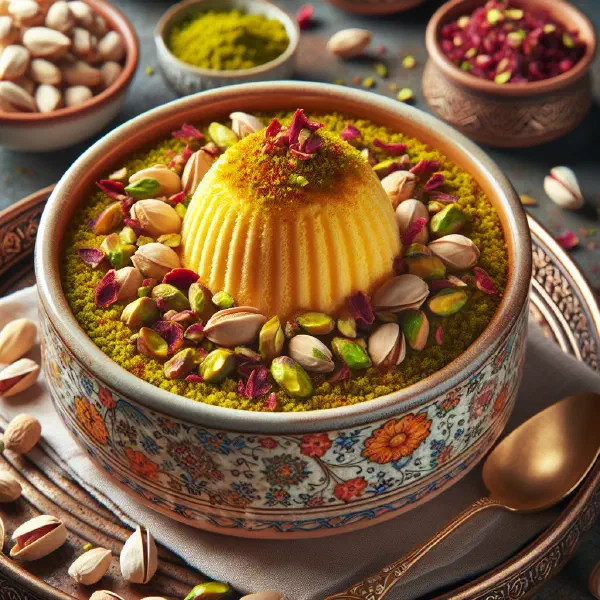
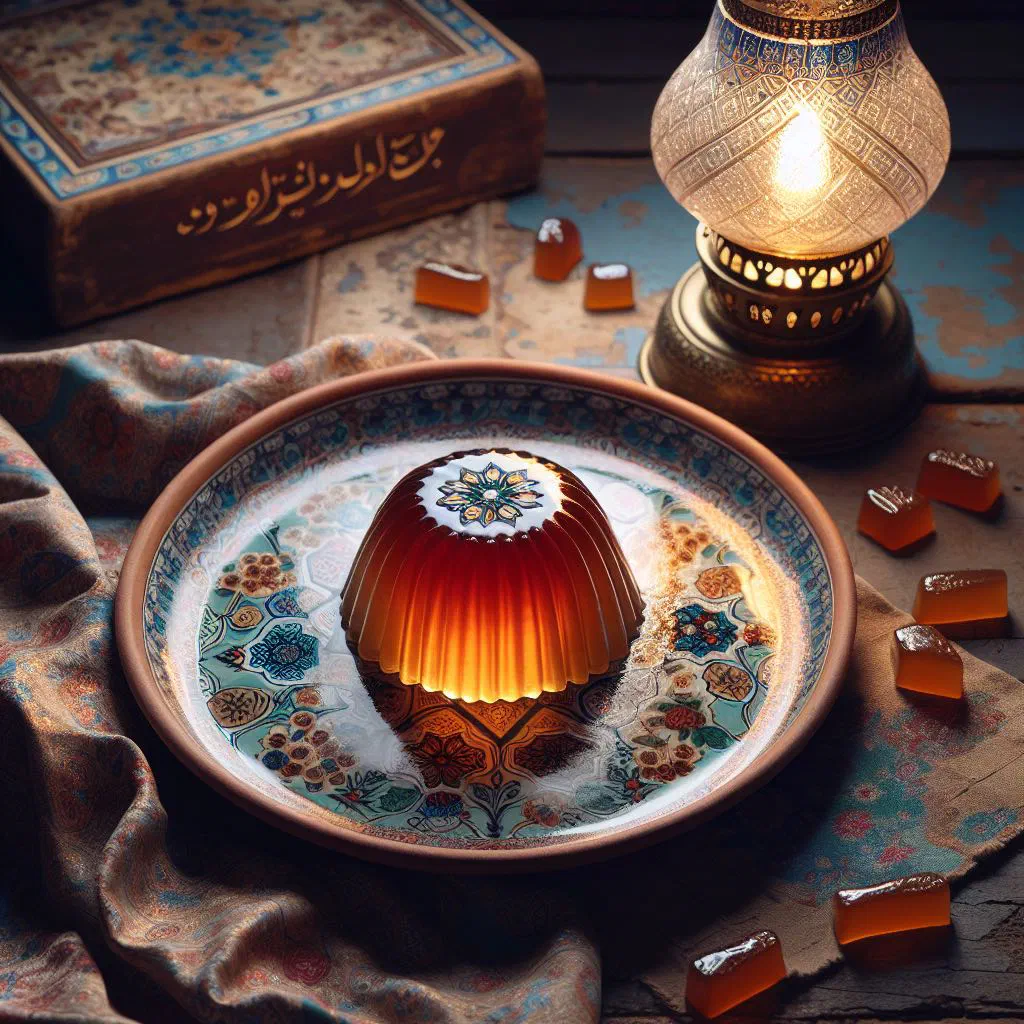
Meet Masghati, a delicate Persian sweet that turns the simplest of pantry staples into something quietly luxurious. Set with rice flour and perfumed with rose water and a whisper of saffron, it has a soft, jelly-like bite and a fragrance that lingers long after the last morsel. Cut into neat diamonds and scattered with pistachios, it is the sort of dessert that graces festive tables across Iran, and it is far easier to make at home than its elegant looks suggest.
About Masghati
Masghati is a traditional Persian sweet that charms with its lovely combination of rice flour, rose water and saffron. This gentle delicacy has a creamy, tender texture and an unmistakable aroma that can make it the highlight of any celebration. Its soft consistency pairs beautifully with a wide range of flavours, making it an ideal way to round off a traditional Iranian meal. Anyone who falls for the sweets of Middle Eastern cuisine will find the delicate temptation of masghati hard to resist.
Ingredients (serves 1–2)
- 100 g rice flour
- 200 ml water
- 50 g sugar
- 1 tsp rose water
- A pinch of saffron
- Butter or oil, for greasing the mould
Shopping for the ingredients
The ingredients for masghati are easy to find in many Asian and Middle Eastern grocery shops or online. Rice flour and rose water in particular are staples of the Persian pantry and lend themselves to all sorts of uses. When buying saffron, look for good quality, as this spice has a decisive influence on both the aroma and the colour of the dessert. It is well worth investing in organic or certified products to guarantee the best possible result for your dish.
Preparing the dish
Before you begin making masghati, gather all your ingredients and have the necessary utensils ready to hand. A suitable mould for the mixture is important, as the set dessert will be cut into pieces once it has cooled. Lightly grease the mould beforehand so the sweet turns out more easily later. Investing a little time in the preparation ensures that the finished result is a success both to look at and to taste.
Step-by-step instructions
- Bring the water to the boil in a pan and add the sugar, stirring until it dissolves.
- Slowly stir in the rice flour, mixing well to avoid any lumps forming.
- Continue to cook the mixture over low heat until it turns thick and smooth.
- Add the rose water and saffron and stir well to combine.
- Pour the thick mixture into the prepared mould and spread it evenly.
- Cover the mould and place it in the fridge until the masghati has cooled completely and set firm.
- Cut into pieces and serve.
Gluten-free / lactose-free version
Masghati is naturally gluten-free, as it is made with rice flour. For a lactose-free version, simply use the sugar and remaining ingredients without adding any dairy, grease the mould with a little oil rather than butter. This makes it a wonderful dessert choice for anyone with special dietary needs. It is still worth checking your ingredient labels carefully to avoid any hidden sources of gluten or lactose.
Tips for vegans and vegetarians
Most of the ingredients for masghati are naturally suited to a vegan and vegetarian diet, making it an ideal option for those who eat plant-based. Do take care that the sugar you use is vegan, as some sugars are processed using animal products. In this respect masghati is delicious and a light treat that almost everyone at the table can enjoy.
More tips and tricks
To make the perfect masghati, it is important to stir the mixture regularly while it cooks. This stops the rice flour from settling and catching on the bottom of the pan. You can also adapt the recipe by adding different flavourings, such as vanilla or cinnamon, to give the dessert a personal touch. Experiment with the ingredients to develop your own signature style.
Adapting the recipe to your taste
Masghati offers plenty of room for adjustment based on your personal preferences or the ingredients you have available. You can vary the sweetness by using more or less sugar, depending on how sweet you like it. Likewise, the amount of rose water and saffron can be dialled up or down to suit the intensity of flavour you are after. The aim is to shape the dessert so it appeals to your own taste without losing its traditional essence.
Ingredient substitutions
For a variation, you can use coconut milk or almond milk in place of water to achieve a different depth of flavour, much as you might in a fragrant Halva. Instead of rose water, orange blossom water makes a lovely swap for a different scent and taste. Because masghati is such a mild-tasting sweet, these alternatives allow the aromas to unfold playfully.
Drink pairing ideas
Masghati is best matched with Persian tea, often served with a slice of lemon or a hint of rose. A minted yoghurt drink is another refreshing accompaniment that underlines the aroma of the dessert. For an alcohol-free pairing, fruity cordials such as pomegranate lemonade work beautifully. These drinks offer a wonderful contrast to the sweetness of the masghati, much as they would alongside a scoop of Faloodeh.
Serving and presentation ideas
The way you present masghati can add considerably to the pleasure of eating it. Serve the cut pieces on an elegant serving platter and decorate them with chopped pistachios or almonds to add colour and texture. A few drops of rose water on the plate can heighten the aroma and make it a truly enticing sweet. Remember, too, that garnishing with fresh flowers or leaves emphasises that unmistakable Middle Eastern flair, a lovely touch also seen in Bastani Sonnati.
A bit of history
Masghati has its roots in the history of Iran and is part of a Persian tradition that regards sweets as an essential element of festive occasions. The dessert is traditionally woven into feasts, weddings and other significant events. It reflects the interplay of culture and joyful cooking, and is a symbol of hospitality and celebration. Masghati is therefore a treat for the palate and a piece of heritage, passed down from one generation to the next, a fine example of Iranian cuisine.
More recipe ideas
Summary: Masghati
Masghati is a flavourful and traditional Persian sweet and a perfect example of how culture, taste and hospitality flow together. With its many possibilities for adaptation and preparation, it is a joy to create your own answer to a sweet craving. Whether for festive occasions or as a delicious finish to an Iranian meal, masghati brings the sweet temptation of the Middle East straight to your table. Let this fragrant treat surprise you and take your senses on a little adventure.