National Dish Iran: Naan-e Barbari (Recipe)
In this article
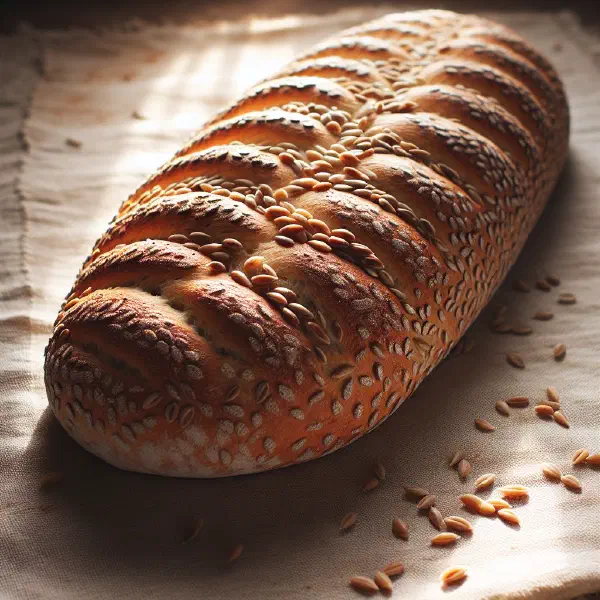
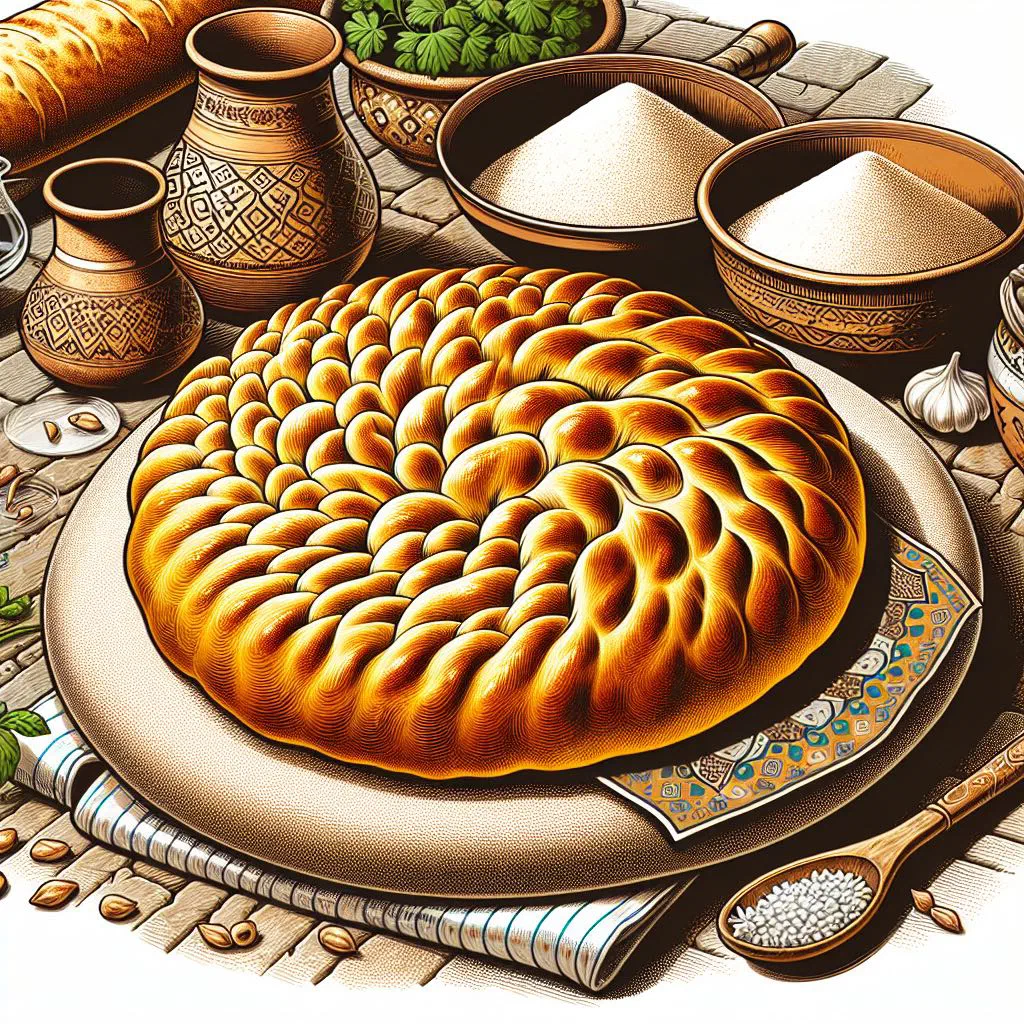
Discover Naan-e Barbari, one of Iran’s most cherished flatbreads. With its crisp, golden crust and soft, pillowy centre, this Persian classic turns even the simplest meal into something memorable. Traditionally baked in a searing-hot clay oven, it carries the warm, welcoming spirit of Persian hospitality. Enjoy it warm alongside a hearty stew or simply with a little butter and jam, and bring a taste of Iran straight to your own table.
About Naan-e Barbari
Naan-e Barbari is an Iranian flatbread prized for its crisp crust and its soft, airy middle. It is traditionally baked in the Persian clay oven known as the tanur, which gives it a characteristic flavour that lends any meal a special touch. It is especially popular as a side to meat-based dishes, or simply as a snack with a little butter and jam. The preparation is refreshingly simple and calls for no special baking skills, so you can bring the feeling of Persian hospitality home with very little fuss.
Ingredients (serves 1–2)
- 250 g flour (wheat flour or gluten-free flour)
- 150 ml warm water
- 1 tablespoon sugar
- 1 teaspoon salt
- 1 teaspoon dried yeast
- 2 tablespoons yoghurt (or plant-based yoghurt for a vegan option)
- 1 tablespoon olive oil
Shopping for the ingredients
The ingredients for naan-e barbari are relatively easy to come by. Most can be found in a regular supermarket or an Asian grocery. If you are keen on a gluten-free result, take care to choose a flour that is well suited to bread-making and free from any risk of gluten contamination. For the other ingredients, such as yoghurt or yeast, you can equally reach for vegan alternatives if you prefer.
Preparing the dish
Before you start baking, it is worth having all your ingredients ready to hand. Make sure the water is warm but not hot, as this is what activates the yeast and encourages the dough to rise. Flour and salt should be well combined before you add the liquids. This ensures an even flavour throughout and a lovely, consistent texture in the finished bread.
Step-by-step instructions
- In a bowl, combine the yeast with the warm water and the sugar and leave to rest for about 10 minutes, until the mixture becomes foamy.
- In a separate bowl, mix the flour and salt together thoroughly.
- Add the yeast mixture, yoghurt and olive oil to the flour and combine everything well.
- Knead the dough for about 10 minutes, until it is smooth and supple.
- Cover the dough and leave it to rise in a warm place for about 1 hour.
- Once risen, divide the dough into two portions and shape each into an oval flatbread.
- Place the flatbreads on a baking tray and leave them to rest for a further 30 minutes.
- Bake in a preheated oven at 220 °C for about 15–20 minutes, until golden brown.
Gluten-free / lactose-free version
To make naan-e barbari gluten-free, use a gluten-free flour that is specially suited to bread. These flours are available in most health-food shops or specialist stores. For a lactose-free version, use plant-based yoghurt or a simple paste of water and starch. Take care that the other ingredients are lactose-free too, so you end up with a delicious and easily digestible flatbread everyone can enjoy.
Tips for vegans and vegetarians
Naan-e barbari is naturally very well suited to vegans. By swapping animal products such as butter or yoghurt for plant-based alternatives, the recipe stays entirely plant-based. You can also pair the bread with a variety of spreads and dips to make it even more versatile. A tasty hummus or a smooth avocado cream goes wonderfully with it.
More tips and tricks
To make the crust of your naan-e barbari especially crisp, create a little steam in the oven by placing a heatproof dish of water on the oven floor. This helps the bread rise beautifully and develop a perfect texture. It is also well worth letting the dough prove for at least an hour after kneading, to achieve a light and fluffy result. Experiment with different herbs and spices, too, to add your own personal touch.
Adapting the recipe to your taste
The lovely thing about naan-e barbari is how easily the recipe adapts to your preferences. You could use different types of flour, for example wholemeal flour for a healthier version, or special blends to discover new flavours. You can also work seasoned yoghurt or a little garlic into the dough for a more aromatic taste. Popular additions include sesame seeds or nigella seeds, which bring an extra depth of flavour.
Ingredient substitutions
If you do not have yeast to hand, you can also use baking powder or bicarbonate of soda, though the result will differ slightly. You might try the recipe with quark in place of yoghurt for a richer consistency. If you like your bread on the sweeter side, simply add a small spoonful of honey or maple syrup. Variations like these make the recipe more flexible and more fun to play with, much as the herby richness of Ghormeh Sabzi rewards a little experimentation.
Drink pairing ideas
Plenty of drinks pair beautifully with naan-e barbari. Why not try a fresh mint tea, which complements the flavour of the bread perfectly? A fruity lassi made from yoghurt and mango could also be an excellent choice to enrich the eating experience. For an alcohol-free option, a fragrant pomegranate-blossom tea is a delicious voice that harmonises well with hearty, savoury flavours.
Serving and presentation ideas
Serve naan-e barbari on a large, decorative plate or a wooden board to heighten that Persian flair. You can also tear the bread into pieces and arrange it with various dips and spreads. A few fresh herbs or edible flowers as a garnish lend your table setting a special accent. That way, baking becomes a treat for the palate and a feast for the eyes, a hallmark of good Iranian cuisine.
A bit of history
Naan-e barbari has its origins in the Iranian kitchen and is deeply rooted in the country’s history. The bread is thought to date back to ancient Persia, when people first began experimenting with fire and heat to make simple doughs. Naan-e barbari is often served at special celebrations and festivals and is a symbol of hospitality and culture in Iranian society. The use of traditional cooking methods and recipes has helped keep this bread beloved to this day. It sits alongside other Persian staples such as the stone-baked Naan-e Sangak.
More recipe ideas
Summary: Naan-e Barbari
Naan-e barbari is a delicious Iranian flatbread that is simple to prepare and a wonderful addition to countless dishes. It brings a touch of Persia straight to your table. The versatility of this recipe lets you adapt it to your own taste and to suit dietary needs, too. Give it a try and let yourself be won over by the wonderful aromas and the tradition of naan-e barbari.