National Dish Iran: Naan-e Sangak (Recipe)
In this article
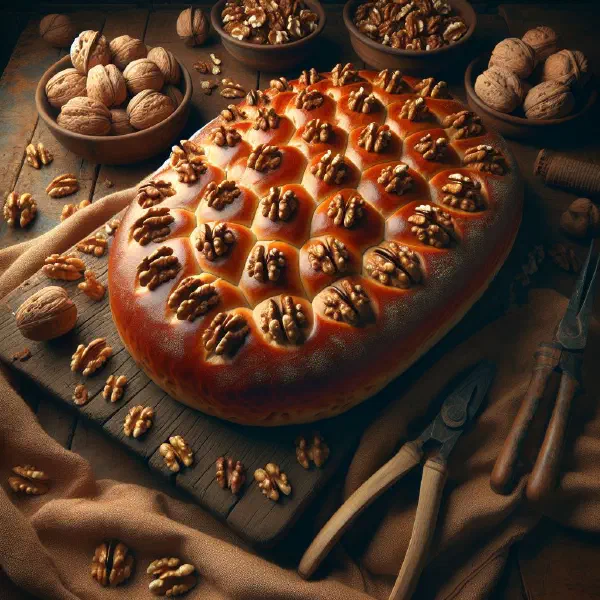
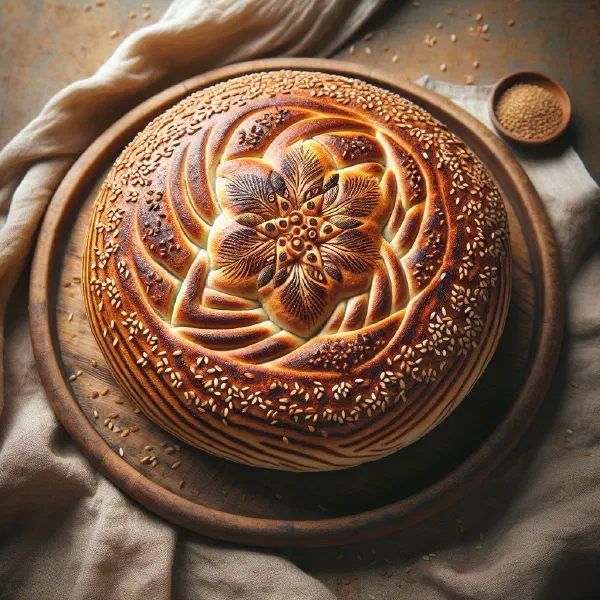
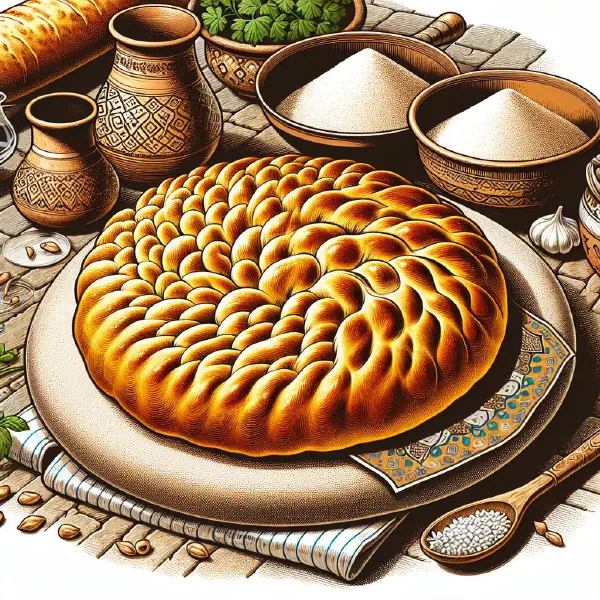
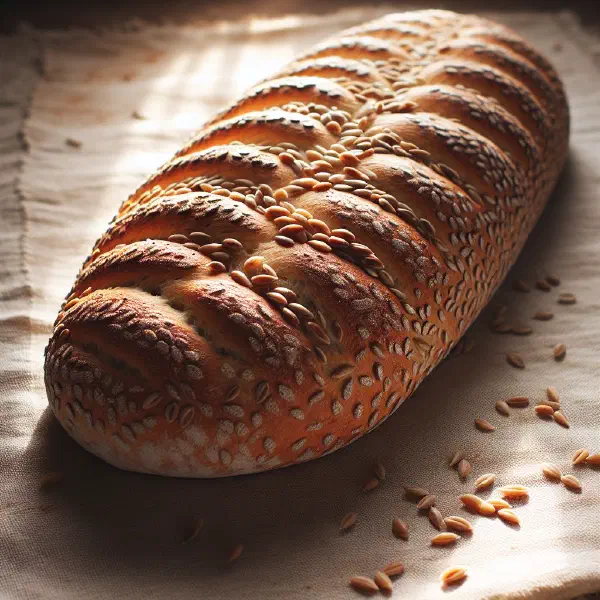
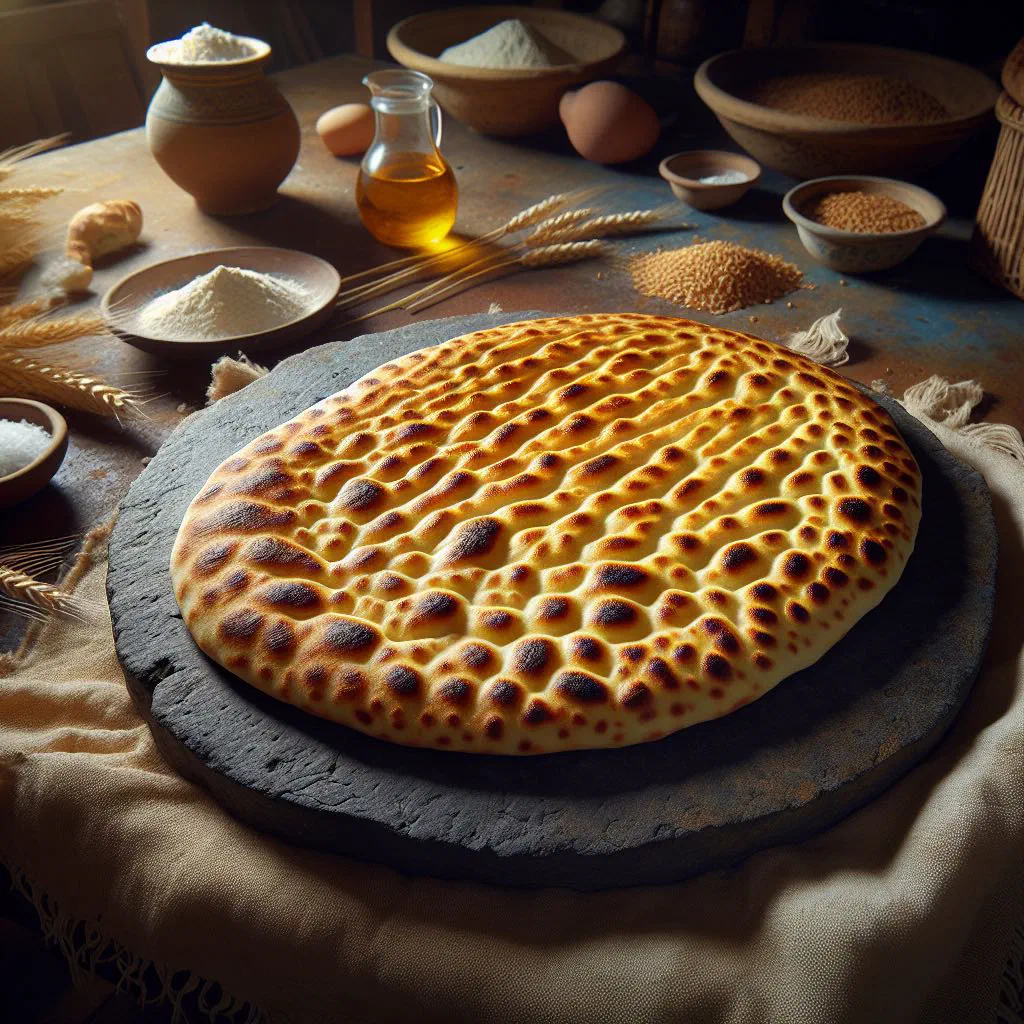
Meet Naan-e Sangak, one of Iran’s most cherished breads and a staple at tables across the country. Baked on a bed of hot pebbles, this rustic flatbread develops a wonderfully crisp crust and a chewy, dimpled interior that no ordinary loaf can match. It is far more than a side. It is a cornerstone of Persian dining, equally at home beside grilled meats, hearty stews or simply torn and eaten on its own. Bring a taste of the Iranian bakery straight to your own kitchen.
About Naan-e Sangak
Naan-e Sangak is a traditional Iranian flatbread celebrated for its crisp crust and its unmistakable flavour. The bread takes its name from the hot stones it is baked on, which press their characteristic dimples into the dough and lend it a unique texture. Making Naan-e Sangak is something of an art, a skill passed down through generations, and the bread is not merely an accompaniment but an essential part of Iranian food culture. Alongside stews or enjoyed entirely on its own, Naan-e Sangak is the perfect companion to any Persian meal.
Ingredients (serves 1–2)
- 250 g wheat flour
- 150 ml water
- 1 tsp salt
- 1 tsp dried yeast
- 2 tbsp yoghurt (optional)
- A pinch of sugar
Shopping for the ingredients
To make Naan-e Sangak you will want fresh, good-quality ingredients. The wheat flour is best chosen as wholemeal, which brings out the bread’s full, rounded flavour. Make sure the yeast is fresh, as it is crucial for a good rise. The remaining ingredients are easy to find in any well-stocked supermarket, so a single shopping trip is usually all it takes.
Preparing the dish
Before you begin, a little careful preparation makes all the difference. Gather every ingredient so it is within easy reach. The mixture of water and sugar should be gently warmed to activate the yeast. Once the yeast is bubbling, you can add the remaining ingredients and work everything into a smooth, supple dough ready for proving.
Step-by-step instructions
- Combine the yeast with the water and sugar and leave to stand for 10 minutes.
- Put the flour and salt in a bowl, add the yeast mixture and mix well.
- Knead the dough until it is elastic, adding the yoghurt if using.
- Cover the dough and leave it to rise in a warm place for 1–2 hours.
- Preheat the oven or stone slab to 250 °C.
- Roll out the dough, lay it on the hot stones and bake for about 10 minutes.
Gluten-free / lactose-free version
For anyone with a gluten intolerance, Naan-e Sangak can also be made with gluten-free flour. Choose a high-quality blend that will support the structure of the bread and give it enough body. For a lactose-free version, simply replace the yoghurt with a plant-based alternative. In either case, knead the dough thoroughly to achieve the desired consistency and a satisfying chew.
Tips for vegans and vegetarians
Naan-e Sangak is naturally vegetarian, and by leaving out the yoghurt it is easily made vegan too. Just check that every ingredient you use is free from animal products. A scattering of special spices or fresh herbs can lift the aroma of the bread considerably without any dairy or eggs. Experimenting with different plant milks is another creative way to coax out new flavour nuances.
More tips and tricks
There are a few reliable tricks for perfecting Naan-e Sangak. Always use hot water for the dough to activate the yeast and encourage a finer crust. Experiment with different baking times until you find the texture you like best, since the baking temperature is decisive for a crisp result. After baking, let the bread cool on a wire rack so the crust stays wonderfully crunchy rather than turning soft.
Adapting the recipe to your taste
Naan-e Sangak is easy to tailor to your own preferences. For a more savoury flavour you can work spices such as caraway or sesame into the dough. The bread also takes beautifully to fresh herbs if you fancy a greener note. Decide, too, whether you prefer it rolled thick and pillowy or thin and crisp, the choice is entirely yours, turning each bake into a very personal treat.
Ingredient substitutions
If certain ingredients are not to hand, there is always an alternative. Wheat flour can be swapped for spelt flour, for instance, which gives the bread a different texture and a pleasantly nutty taste. In place of water you might use vegetable stock for an extra layer of flavour, much as you would enrich a bowl of Aabgoosht. Keep an eye on the consistency of the dough, as the amount of liquid the flour absorbs can vary.
Drink pairing ideas
Naan-e Sangak pairs beautifully with a range of drinks. A traditional Iranian tea heightens the authentic experience and sits perfectly alongside the flavours of the bread. Refreshing yoghurt drinks such as doogh are another natural match, as are lively fruit-based coolers. The contrast between warm bread and a cool drink rounds out the meal and makes every bite more enjoyable.
Serving and presentation ideas
Thoughtful presentation can lift the whole Naan-e Sangak experience. Serve the bread on a decorative wooden board or in a rustic basket for a homely touch. Garnish it with fresh herbs or a drizzle of olive oil just before it reaches the table. Bringing the bread out warm builds anticipation for the meal to come, and arranging the accompaniments attractively, perhaps a bowl of Mast O Khiar, creates a welcoming spread.
A bit of history
Naan-e Sangak looks back on a long tradition within Iranian cuisine. With roots reaching into antiquity, it is one of the oldest styles of flatbread baked in the region. The traditional baking methods and the use of hot stones are an inheritance handed down from one generation to the next. Naan-e Sangak is often served with a sense of occasion at special gatherings and is a symbol of hospitality throughout Iran, taking pride of place in the wider world of Iranian cuisine.
More recipe ideas
Summary: Naan-e Sangak
Naan-e Sangak is not simply a plain flatbread but a culinary experience that unites tradition and taste. With its crisp crust and remarkable versatility, it partners wonderfully with countless dishes of Iranian cuisine. Making Naan-e Sangak is both a challenge and a reward. Bring a touch of authenticity and pleasure to your table with this one-of-a-kind bread.