National Dish Iran: Noon Khamei (Recipe)
In this article
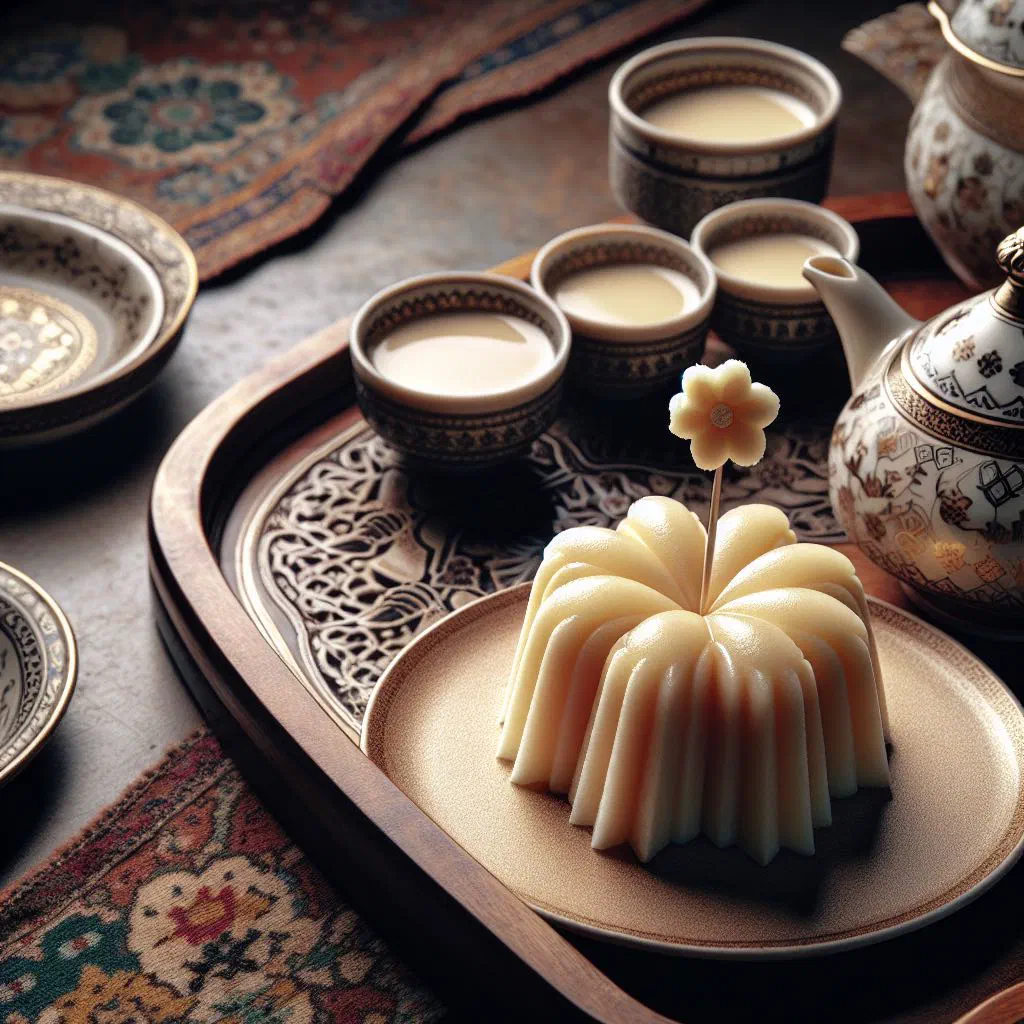
Discover Noon Khamei, one of Iran’s most beloved sweet treats. These light, airy pastry parcels hide a creamy filling beneath a delicate, golden shell, making them a very good bite for any occasion. Once the pride of Persian street vendors, they have since won over dessert lovers far beyond Iran’s borders. Noon khamei brings a touch of gentle indulgence to the table.
About Noon Khamei
Noon Khamei is a true highlight of Iranian baking and an essential part of the country’s sweet traditions. These tender, airy pastry shells are filled with a smooth, cream-based filling that makes them a much-loved snack. Originally sold by street vendors, they have found their way into the hearts of dessert lovers around the world. The contrast between the crisp, baked pastry and the sweet filling turns noon khamei into an utterly appealing pleasure, enjoyed on its own or as part of a larger dessert selection, a graceful example of Iranian cuisine.
Ingredients (serves 1–2)
- 200 g plain flour
- 100 ml water
- 50 g butter
- 1 teaspoon sugar
- 1 teaspoon salt
- 2 tablespoons cream (or a cream alternative)
- A little icing sugar, for dusting
Shopping for the ingredients
When shopping for the ingredients for noon khamei, it is well worth choosing fresh, good-quality produce. Flour is the central ingredient, and its quality has a marked effect on the texture of the pastry. Reach for unsalted butter so the flavours come through cleanly. The cream for the filling should be as fresh as possible too, to guarantee the delicious taste these little pastries are known for.
Preparing the dish
Preparing noon khamei begins with making the dough, which should be kneaded well to achieve the best possible texture. Let the dough rest so it becomes elastic and easier to shape. While the dough is resting, you can get on with the sweet, cream-based filling. This combination is what gives the pastries their wonderfully creamy character and makes every bite feel special.
Step-by-step instructions
- Mix the flour, sugar and salt together in a bowl.
- Melt the butter and add it to the flour along with the water.
- Knead the dough well, then leave it to rest in a warm place for 30 minutes.
- Roll the dough out thinly and cut it into small circles.
- Place the filling in the centre of each circle and seal the edges firmly.
- Fry the pastries in hot oil until golden brown.
- Dust with icing sugar and serve warm.
Gluten-free / lactose-free version
A gluten-free version is easy to achieve by swapping in gluten-free flour in place of the wheat flour. Do check that all the other ingredients are gluten-free as well. For a lactose-free variation, use vegan butter and a plant-based cream, which give the filling a very similar texture. That way everyone can enjoy noon khamei while the tradition is still honoured.
Tips for vegans and vegetarians
Vegan alternatives for this recipe are simple to put into practice. Instead of butter you might use coconut oil, for example, which lends the noon khamei an interesting note. The filling can be made with a plant-based yoghurt alternative in place of cream. In this way vegans can savour the appeals to of noon khamei just as much as anyone else.
More tips and tricks
A few tips and tricks can make preparing noon khamei considerably easier. Take care to knead the dough thoroughly so it develops the perfect texture. If the pastries puff up nicely as they fry, that is a sign they have been made well. Leave plenty of space between them in the pan too, so they cook evenly and do not stick together.
Adapting the recipe to your taste
Adapting the recipe lets you tailor noon khamei to your own preferences. Experiment with different fillings, such as melted chocolate or even a fruity jam. Warm spices like cinnamon can also add extra aroma and take the pastries to a new level. In this way every batch becomes unique and perfectly matched to your personal taste, much like the endlessly adaptable Ranginak.
Ingredient substitutions
When looking for substitutes for particular ingredients, you will find plenty of options to explore. In place of wheat flour you could use almond or chickpea flour, which gives the dish a different character. For the filling, yoghurt can stand in for cream to create a lighter version. This keeps you flexible and gives you the chance to reach for healthier options whenever you like.
Drink pairing ideas
Several drinks work beautifully to round off noon khamei. A sweet tea or a refreshing mint drink pairs perfectly with these sweet pastries. For such a classic treat, unsweetened herbal teas or fruit smoothies can be a refreshing choice too. A traditional glass of Sekanjabin makes an especially fitting Persian pairing that completes the experience and creates a welcoming mood.
Serving and presentation ideas
Presentation is an important part of the whole enjoyment. Serve the noon khamei on an attractive platter, dusted with icing sugar to give them a particularly appealing look. A colourful scattering of fresh mint leaves or edible flowers can lift the dish visually as well. That way any occasion becomes something special and your guests are sure to be pleased.
A bit of history
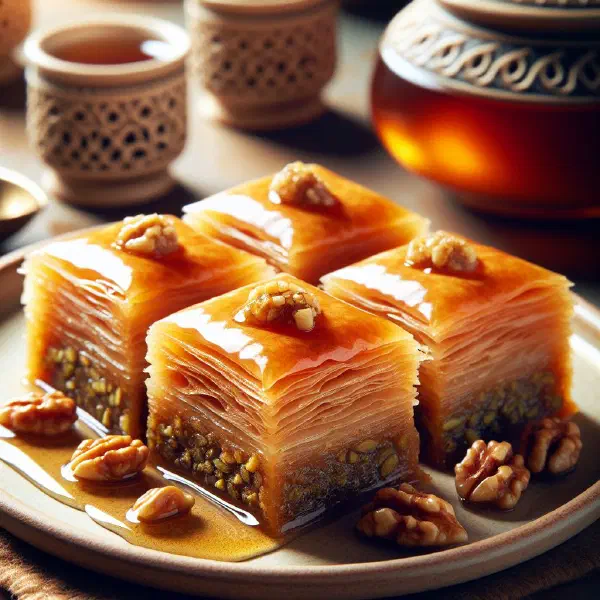
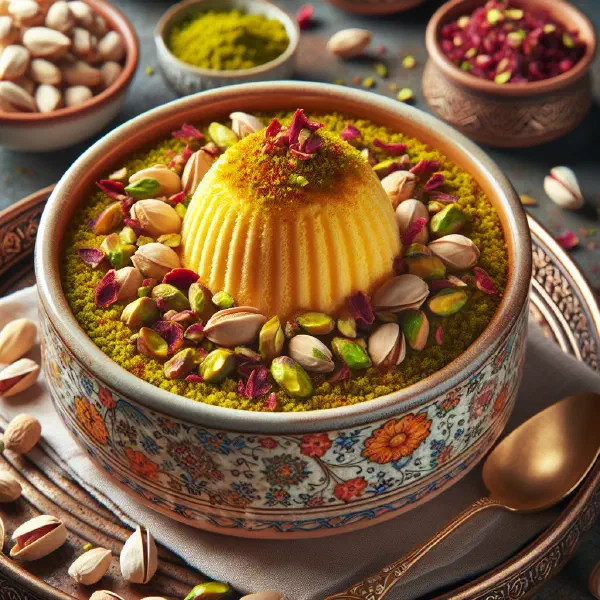
The history of noon khamei reaches back into the old traditions of Iran, where sweet pastries and desserts played an important role. These little parcels symbolise hospitality and the cultural art of baking. Their popularity has made them a symbol of sociable gatherings and celebrations, where they are frequently served alongside classics such as Baghlava and Sholeh Zard. Enjoying noon khamei therefore offers a genuine taste of Persian culture and tradition.
More recipe ideas
Summary: Noon Khamei
In summary, noon khamei is a delicious, airy treat that is easy to make at home. With their versatile fillings and the option of gluten-free and lactose-free variations, they suit a wide range of diets. These little pastries bring a touch of Persian flair to your kitchen and moments of real pleasure to share with family and friends. Give this recipe a try and discover the enchanting world of Iranian sweets.