National Dish Iran: Noon Sangak (Recipe)
In this article
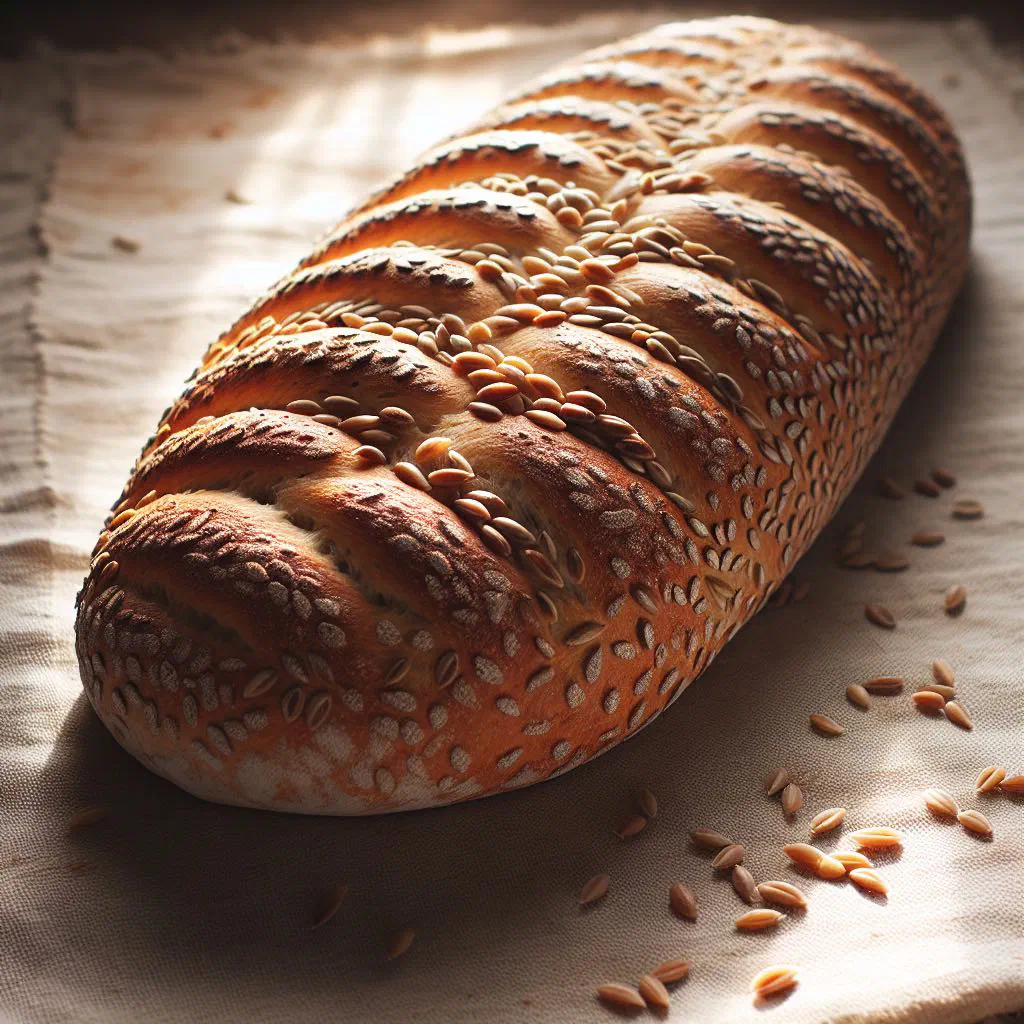
Meet Noon Sangak, one of Iran’s most cherished breads and a staple of tables from everyday breakfasts to festive gatherings. Traditionally baked on a bed of hot stones, it emerges with a wonderfully crisp crust and a soft, pillowy centre. Whether torn alongside a hearty stew or simply spread with butter and cheese, this rustic flatbread carries the authentic flavour of Persia straight into your kitchen.
About Noon Sangak
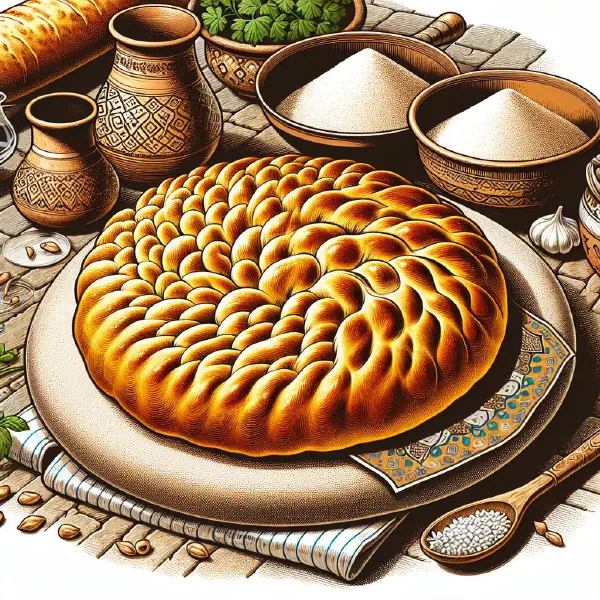
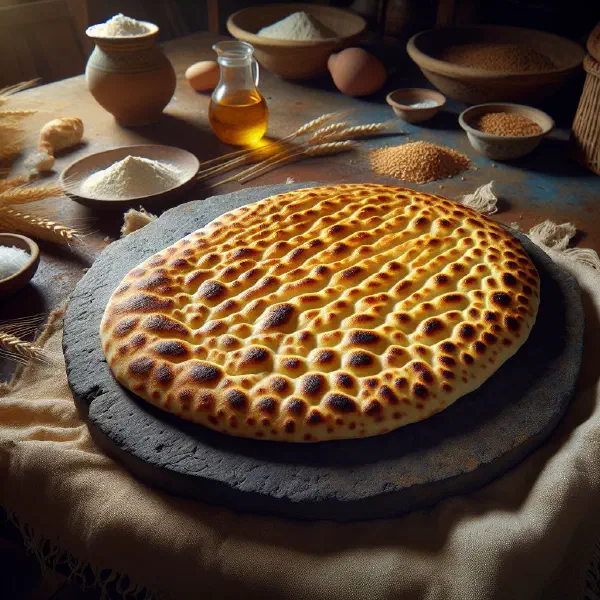
Noon Sangak is a traditional Iranian bread that holds a central place in both the family home and celebratory occasions. Its defining feature is the distinctive baking method, in which the dough is cooked on hot stones in the oven. The contrast between a crisp, golden crust and a soft, airy interior is what makes it so unmistakable. Served as an accompaniment to all manner of dishes or enjoyed simply with a little butter and cheese, Noon Sangak offers a genuine taste of Iran and sits proudly among the breads of Iranian cuisine.
Ingredients (serves 1–2)
- 500 g wheat flour
- 300 ml water
- 10 g salt
- 1 tablespoon sugar
- 10 g dried yeast
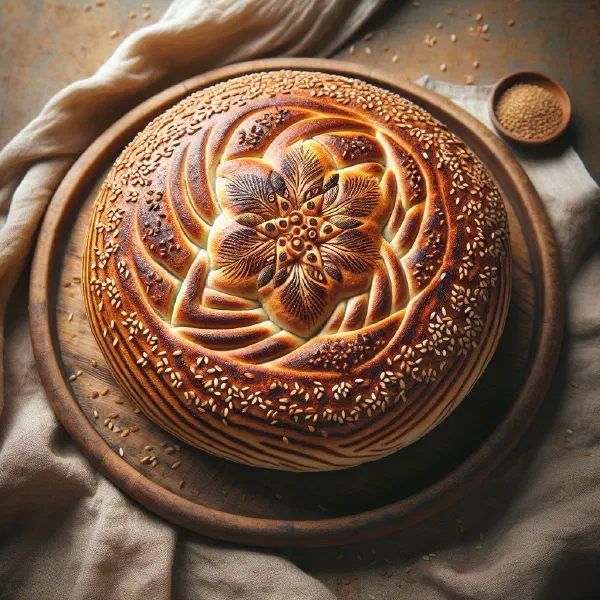
- Sesame or poppy seeds (optional, for sprinkling)
Shopping for the ingredients
To make Noon Sangak you will need only a handful of basic ingredients, most of which are readily found in supermarkets or Middle Eastern grocery shops. Be sure to choose good-quality wheat flour, as it forms the very foundation of the bread. It is also worth using fresh dried yeast to achieve the best rise. Keep an eye out for sesame or poppy seeds in the baking aisle, as these add a delicious extra note when scattered over the top.
Preparing the dish
Preparing Noon Sangak is refreshingly straightforward and takes only a few steps. Begin by measuring out all your ingredients and having them ready, so the process runs smoothly from start to finish. It is important to warm the water to lukewarm to activate the yeast properly. Depending on your taste, you can also work in a few spices to give the bread a special character.
Step-by-step instructions
- Dissolve the dried yeast and sugar in the warm water and leave it to rest for a few minutes until it turns foamy.
- Tip the flour and salt into a large mixing bowl and combine well.
- Add the yeast mixture to the flour and knead thoroughly until you have a smooth dough.
- Cover the dough and leave it to prove in a warm place for about 1–2 hours, until it has doubled in size.
- Turn the dough out onto a floured surface, divide it into portions and shape it directly onto the hot stone or baking tray.
- Sprinkle with sesame or poppy seeds to taste and bake in the oven at 250°C for 10–12 minutes.
Gluten-free / lactose-free version
To make Noon Sangak gluten-free, you can use a gluten-free flour such as rice flour or maize flour. Do check that the dried yeast and the other ingredients are gluten-free as well. Lactose-free options are just as easy: simply use lactose-free products, or leave out dairy altogether. It can help to add a little extra binding agent, such as xanthan gum, to improve the texture.
Tips for vegans and vegetarians
Noon Sangak is naturally vegan, provided no animal products are added. To make the bread even more interesting, you can work herbs such as rosemary or basil into the dough. Vegans might also reach for a range of spices to layer in additional flavour. When it comes to accompaniments, plant-based spreads or cheese alternatives are a lovely way to round out the enjoyment of the bread.
More tips and tricks
One of the most important tricks for a great Noon Sangak is to preheat the oven thoroughly, so the bread can develop an optimal crust as it bakes. Use a pizza stone or a baking tray that has been heated in advance for the best results. Once the bread is done, let it cool on a wire rack so the moisture can escape and the crust stays crisp. If you are baking several loaves, you can also freeze the dough and bake it fresh when needed.
Adapting the recipe to your taste
The basic Noon Sangak recipe is easy to tailor to personal preference. You can add different grains or spices to create your own unique flavours. The amount of water can vary too, depending on the type of flour, so you can adjust the dough to just the right consistency. Feel free to experiment with different dough shapes to arrive at your perfect result.
Ingredient substitutions
If you do not have dried yeast to hand, you can also use fresh yeast, bearing in mind that you will need roughly three times the amount. If wheat flour does not agree with you, try rice flour or a gluten-free flour blend. For an extra nutritional boost, the flour can be mixed with wholemeal flour. Do keep in mind that the amount of liquid may need adjusting to achieve the right consistency. This same flexible dough also underpins the soft, ridged Naan E Barbari.
Drink pairing ideas
Noon Sangak goes beautifully with a variety of drinks that complement its flavour. A popular choice is traditional Iranian tea, which can be scented with cardamom. Freshly pressed juices or yoghurt drinks are perfect partners for this bread as well. If you fancy something more refreshing, try sparkling water with lemon to cleanse the palate. A cooling glass of Mast O Khiar on the side works just as nicely.
Serving and presentation ideas
An appealing presentation can lift the whole Noon Sangak experience. Serve the bread warm on a rustic wooden board, accompanied by a selection of dips and side dishes. Fresh herbs or tomatoes can double as a garnish to create an inviting splash of colour. Set out small bowls of oil or pesto so the bread can be dipped into different flavours, adding variety to every bite. It also makes an excellent scoop for a rich stew such as Fesenjan.
A bit of history
Noon Sangak has a long history and is thought to originate from the region of Persia. Over the centuries the bread has become firmly woven into Iranian culture. In many Iranian households it is still prepared today according to traditional recipes. Customarily served at celebratory occasions, it is regarded as a symbol of hospitality, much like the grilled classic Chelo Kebab at the heart of a Persian feast.
More recipe ideas
Summary: Noon Sangak
Noon Sangak is an indispensable bread of Iranian cuisine, winning admirers with its unique method of preparation and its delicious flavour. With simple ingredients and a quick set of instructions, this traditional bread is easy to recreate at home. It pairs wonderfully with a wide range of side dishes and drinks, and leaves plenty of room for creative tweaks to suit your own preferences. If you are searching for an authentic taste of Iran, Noon Sangak is well worth a try.