National Dish Iran: Pashmak (Recipe)
In this article
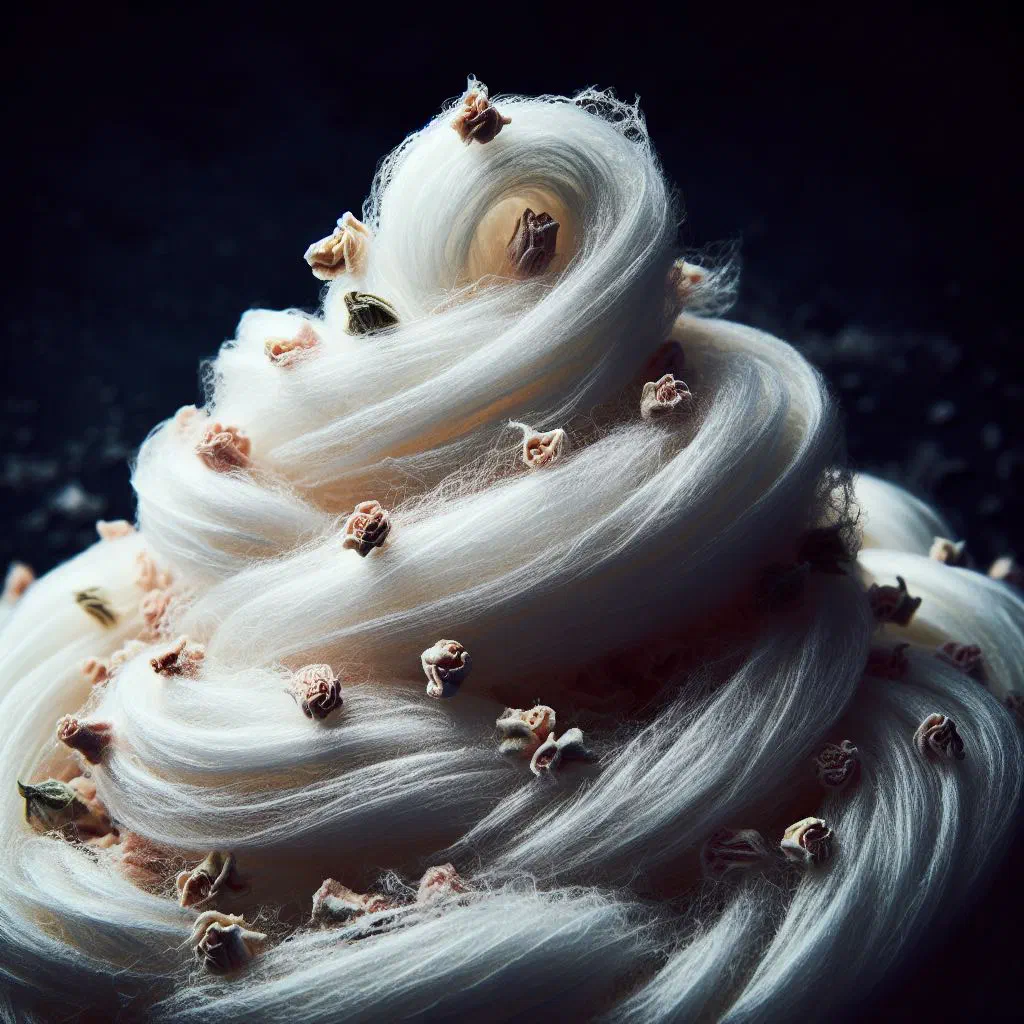
Discover Pashmak, Iran’s delicate answer to candy floss. These wispy, feather-light strands melt on the tongue and carry a subtle sweetness perfumed with rosewater. Long a fixture at Persian celebrations, this traditional confection turns a handful of pantry staples into something genuinely magical. With a little patience you can spin your own airy threads at home and bring a touch of festive Iranian charm to your table.
About Pashmak
Pashmak, sometimes described as the sweet marvel of Iran, is far more than an everyday treat. This delicate sugar floss captivates the senses with its unique, fluffy texture, presented as elegant, gossamer-fine threads. The flavour is remarkable, balancing pure sweetness with gentle aromatic notes. Pashmak is a firm part of Iranian culture and appears again and again at festive occasions, much like the celebratory sweets you find across the wider world of Iranian cuisine.
Ingredients (serves 1–2)
- 300 g sugar
- 100 ml water
- 1 teaspoon lemon juice
- 50 g cornflour
- Flavourings of choice (e.g. rosewater or vanilla)
Shopping for the ingredients
When shopping for the ingredients for pashmak, it is worth choosing good-quality products. Look for fine sugar, which helps guarantee the confection’s airy structure. Cornflour also plays a decisive role, as it shapes the final texture of the candy. If you would like to use special flavourings such as rosewater, you will find them in well-stocked supermarkets or Persian grocery shops.
Preparing the dish
Preparing pashmak calls for a certain amount of patience and precision. First, gather all your ingredients and make sure you have a suitable, tidy work surface. It helps to ready a lined tray or board on which the pashmak can later be laid out. Remember to keep kitchen tools such as a sugar thermometer to hand so you can monitor the temperature closely throughout.
Step-by-step instructions
- Combine the water, sugar and lemon juice in a pan and heat over a medium flame.
- Using a sugar thermometer, bring the mixture to the boil until it reaches 115°C.
- Take the syrup off the heat and slowly stir in the cornflour.
- Add your chosen flavourings and mix everything together well.
- Pour the mixture onto baking paper and let it cool before pulling the threads.
Gluten-free / lactose-free version
The good news for anyone with special dietary needs is that pashmak is naturally gluten-free and lactose-free. Made simply from sugar and cornflour, the candy is well suited to those with a gluten intolerance. Just take care to choose gluten-free versions of any other ingredients too, especially the flavourings.
Tips for vegans and vegetarians
Pashmak is an excellent choice for vegans and vegetarians, as it contains no animal products at all. When buying flavourings, check that these are vegan too, to rule out any hidden dairy traces. If you cannot find a particular ingredient, there are plenty of plant-based alternatives that offer a similar taste. This makes pashmak a wonderfully universal dessert that suits everyone.
More tips and tricks
For the best results with pashmak, there are a few pointers worth keeping in mind. Take care not to let the sugar caramelise too far, as this can spoil the flavour. A properly tempered pan ensures the cooking proceeds evenly throughout. As a general rule, practice makes perfect, so do not be afraid to try different techniques until you achieve that ideal, feathery texture.
Adapting the recipe to your taste
Pashmak is easy to adapt to personal preference. Experiment with different flavourings such as pistachio or mandarin to create new taste experiences. Depending on the season, you can also add fresh touches like mint or cinnamon. That way the recipe stays exciting and full of variety.
Ingredient substitutions
If you are looking for alternatives to the traditional ingredients, there are many options. Instead of sugar you might use agave syrup or coconut blossom sugar for a different kind of sweetness. Cornflour can also be swapped for arrowroot, which brings a slightly different texture and nuance of flavour. Be creative and experiment with fresh combinations, much as you might when making the honey-soaked Baghlava.
Drink pairing ideas
To round off the pashmak experience, a range of drinks works beautifully. A fresh mint tea or an Iranian pomegranate juice complements the sweetness perfectly. Herbal teas also pair harmoniously with the lightness of the floss. The key is to match the right flavours so the whole tasting experience feels balanced. For something more indulgent, serve it alongside a scoop of Bastani Sonnati.
Serving and presentation ideas
An eye-catching presentation of pashmak brings a real wow factor for your guests. Use elegant plates and decorate the candy with edible flowers or chopped pistachios. Small portions served in glasses lend a modern touch. And do not forget to wrap it thoughtfully if the pashmak is intended as a gift.
A bit of history
Pashmak has a long and fascinating history within Iranian culture. Originally made in Persia for festive occasions, it is regarded as something of an art form that has endured across generations. Its preparation demands great skill and patience, which has earned it respect as a genuine craft, a status it shares with cherished sweets like Sohan and Gaz. Its popularity is by no means confined to Iran; today pashmak is known internationally and much loved by connoisseurs.
More recipe ideas
Summary: Pashmak
Pashmak is a captivating traditional Iranian confection, prized for its light consistency and its array of aromatic flavours. Making it is an enjoyable experience suited to beginners and culinary enthusiasts alike. With the right technique and a little practice, you can bring this delicious sweet into your own home. Pashmak stands for pure indulgence and for the rich culture of Iran, making it the perfect companion for all kinds of festive occasions.