National Dish Iran: Qormeh Sabzi (Recipe)
In this article
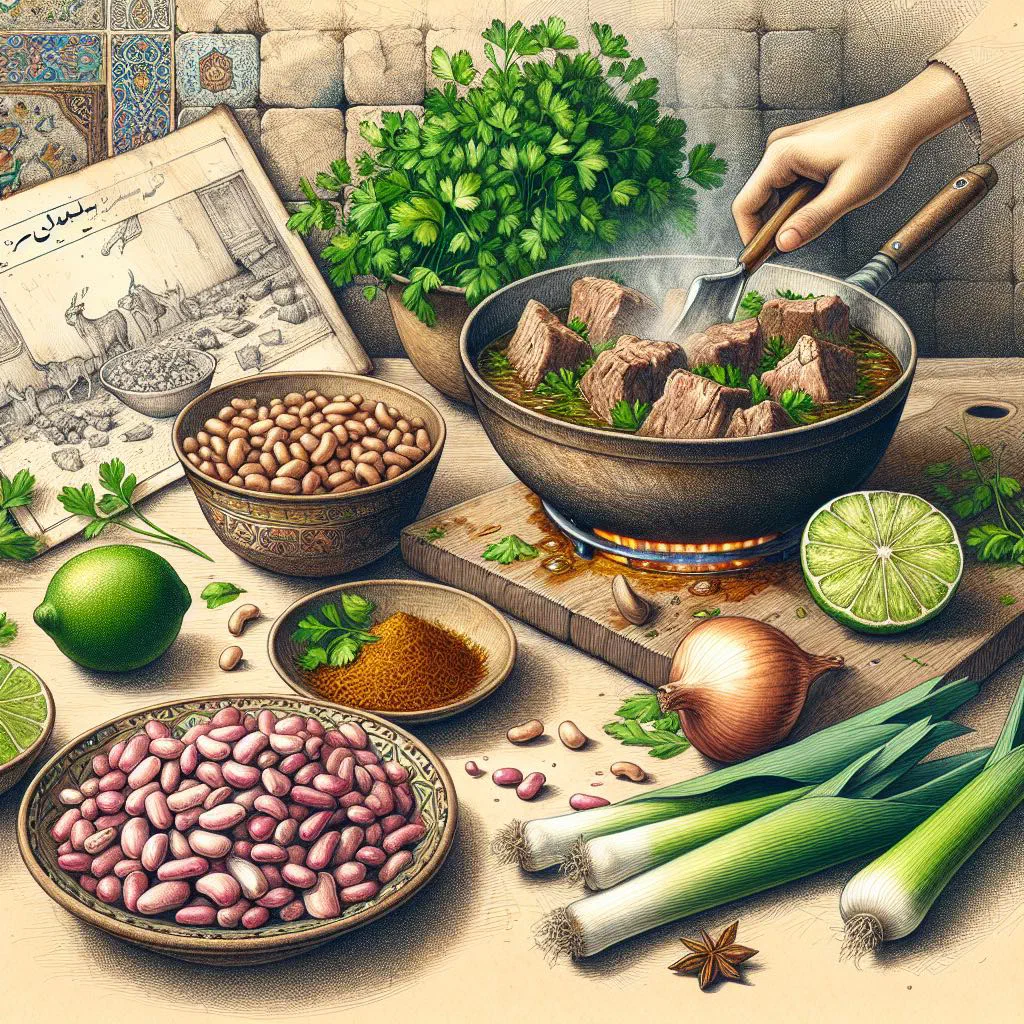
Meet Qormeh Sabzi, the fragrant herb stew that Iranians proudly call their national dish. Tender pieces of lamb are simmered slowly with a small mountain of fresh herbs, hearty beans and the unmistakable tang of dried limes until every spoonful is rich, deep and comforting. It is the sort of dish reserved for gatherings and celebrations, a symbol of hospitality that fills the whole house with its aroma. Bring a taste of Persia to your own table with this timeless classic.
About Qormeh Sabzi
Qormeh Sabzi is the national dish of Iran and one of the most beloved recipes in the country’s kitchen. This aromatic herb stew brings together tender pieces of lamb, a generous handful of fresh, fragrant herbs and hearty beans. A careful blend of spices gives the dish its unmistakable character, a flavour that genuinely appeals to the senses. In Iranian culture, qormeh sabzi is often prepared for special occasions and is a symbol of hospitality and tradition, making it a wonderful introduction to Iranian cuisine.
Ingredients (serves 1–2)
- 300g tender lamb, diced
- 1 cup green beans, dried or fresh
- 1 large onion, finely chopped
- 1 bunch fresh parsley, roughly chopped
- 1 bunch fresh coriander, roughly chopped
- 1 bunch fresh chives, roughly chopped
- 2–3 dried limes
- 1 teaspoon turmeric
- Salt and pepper to taste
- 2 tablespoons vegetable oil
- Water
Shopping for the ingredients
When shopping for qormeh sabzi, it is important to choose high-quality, fresh ingredients. The herbs in particular play a central role in this dish, so pay close attention to the freshness of the parsley, coriander and chives. The lamb should be tender and of good quality to achieve the best possible flavour. The dried limes, also known as limoo omani, can be found in well-stocked Middle Eastern or Asian grocers, or ordered online.
Preparing the dish
Preparing qormeh sabzi begins with carefully washing and chopping the fresh herbs. Let them drain well to remove any excess water. The onion also needs to be finely chopped, as it forms the flavour base of the whole dish. Alongside these steps, it is worth soaking the beans in advance to soften them and shorten the cooking time.
Step-by-step instructions
- Heat the vegetable oil in a large pot and fry the onions until golden brown.
- Add the lamb and brown it well on all sides until deeply coloured.
- Sprinkle in the turmeric and the chopped herbs, then cook everything together for a few minutes.
- Add the soaked beans and pour in enough water to cover all the ingredients.
- Drop in the dried limes and season with salt and pepper to taste.
- Bring to the boil, then reduce the heat to low and let the stew simmer gently for 1.5 to 2 hours.
- The dish is ready when the beans are soft and the lamb is tender — serve it hot with rice.
Gluten-free / lactose-free version
Qormeh sabzi is naturally gluten-free and lactose-free, as it uses no ingredients that typically contain these allergens. Even so, do check that the spices and oils you use are also free from gluten. It is always sensible to read the labels to make sure a product suits your own dietary needs.
Tips for vegans and vegetarians
For vegans, there is a lovely way to adapt qormeh sabzi. Replace the lamb with protein-rich ingredients such as chickpeas or lentils, which give the dish a similar texture and body, much like the pulses that shine in Adas Polo. A splash of plant-based stock helps create a satisfying, well-rounded consistency. Adjusted this way, the recipe offers all the flavour of Persian cooking without any animal products.
More tips and tricks
To intensify the flavours of qormeh sabzi, let it simmer for longer so the tastes have time to develop fully. A small squeeze of lemon just before serving brings extra freshness and brightens the whole dish. Many people enjoy it even more the next day, once the flavours have had time to deepen. Depending on your taste, you can also add other spices such as cumin or a touch of cinnamon.
Adapting the recipe to your taste
The recipe for qormeh sabzi is wonderfully easy to tailor to personal preference. If lamb is not to your liking, you can swap it for beef or chicken. For a spicier version, add chilli or hot spices to the pot. Be creative, in Iranian cooking it is common to personalise dishes and prepare them exactly the way you like them.
Ingredient substitutions
If certain ingredients for qormeh sabzi are hard to find, there are always alternatives. Instead of fresh herbs you can use frozen herbs or even the ready-made herb mixes sold in many supermarkets. In place of the beans, green peas make a good option too. The dried limes can be replaced with fresh limes, which changes the flavour a little but still tastes great.
Drink pairing ideas
A range of drinks pairs beautifully with qormeh sabzi. A classic Persian favourite is chilled hibiscus tea, prepared with lemon juice and a little sugar. Other herbal teas, such as peppermint, are equally refreshing and round off the meal nicely. For a non-alcoholic option, sparkling water combined with fresh fruit adds an extra note of freshness alongside the food.
Serving and presentation ideas
Presentation is an important part of Iranian food culture. Qormeh sabzi can be served stylishly in a beautiful bowl, garnished with fresh herbs and a squeeze of lemon. The rice should be served in a separate dish, perhaps with a hint of saffron for colour and extra flavour, just as it is in Baghali Polo. Arranging the different components thoughtfully ensures the dish is delicious and a feast for the eyes.
A bit of history
Qormeh sabzi has a long history in Iranian cooking. The dish is believed to have been prepared in Persia for centuries, evolving across generations. The ingredients and method can vary from region to region, but the core idea remains the same. The combination of different herbs symbolises the abundance and richness of Iranian agriculture and culture, a heritage it shares with celebrated dishes like Fesenjan.
More recipe ideas
- Fesenjan — a stew of chicken in a walnut and pomegranate sauce.
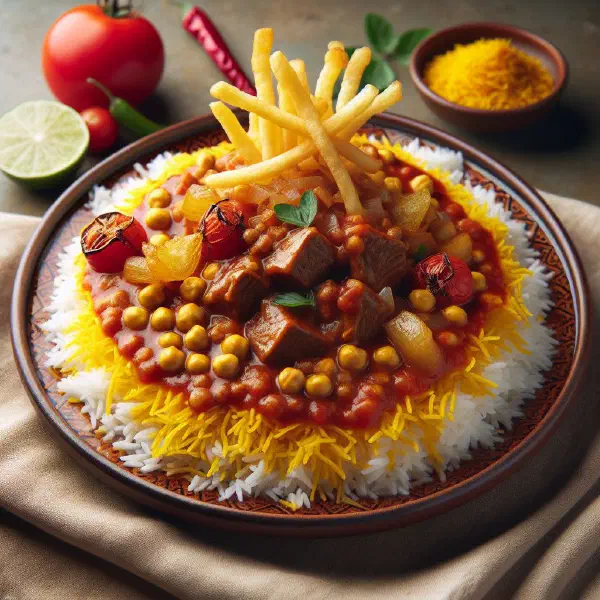
- Gheymeh — a stew of split peas and lamb, often served with chips.
- Baghali Polo — rice with broad beans and dill, ideal alongside lamb or chicken.
- Dolmeh — vine leaves stuffed with rice and herbs.
Summary: Qormeh Sabzi
All in all, qormeh sabzi is a wonderful example of the richness and variety of Iranian cuisine. This dish offers more than a memorable flavour but a connection to the traditions and culture of Iran. The harmonious combination of lamb, beans and fresh herbs makes it an ideal stew for special occasions or cosy family gatherings. Let yourself be carried away by the aromas of the East and savour this truly unique dish.