National Dish Iran: Reshteh Polo (Recipe)
In this article
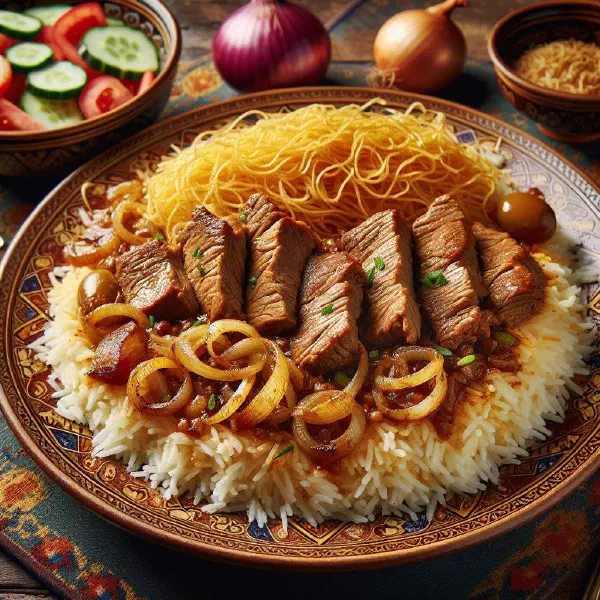
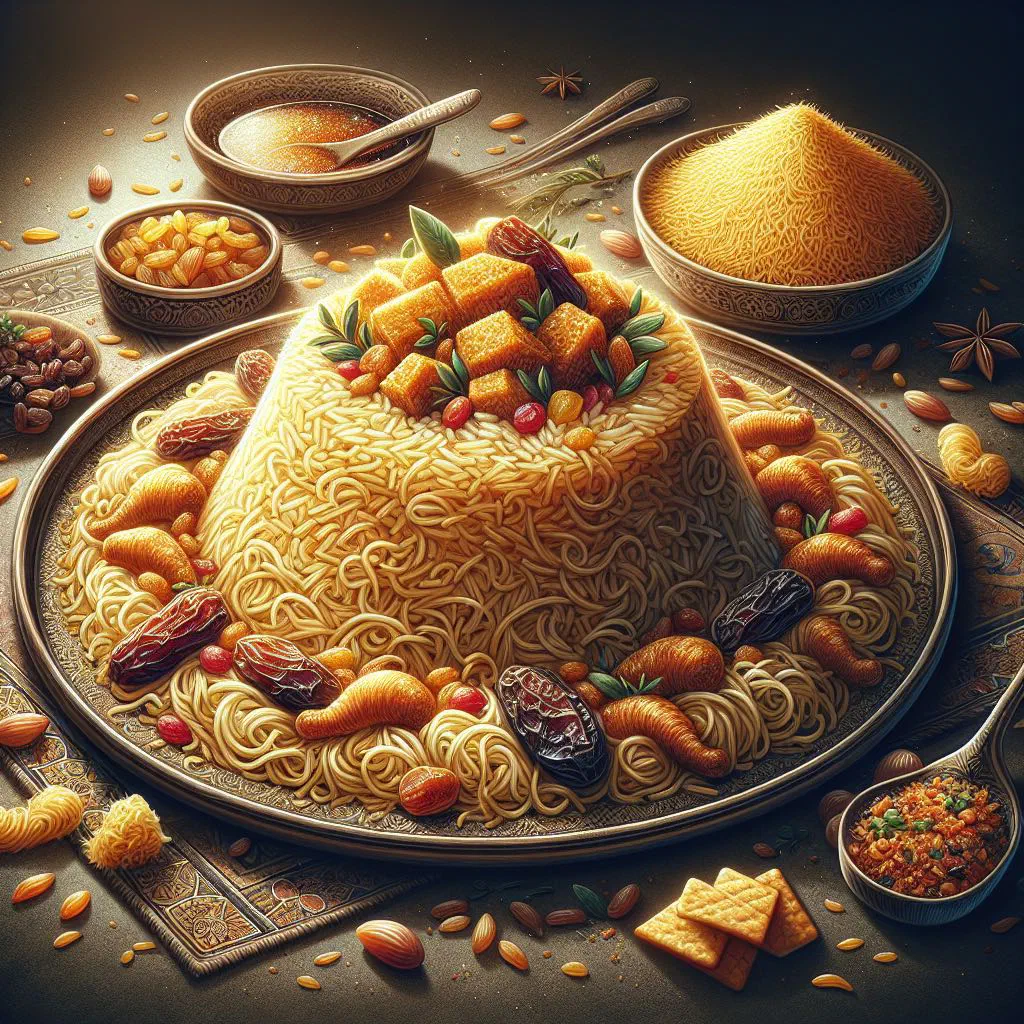
Say hello to Reshteh Polo, a fragrant Persian rice dish that turns a handful of humble ingredients into something worthy of a celebration. Fluffy basmati rice is layered with slender toasted reshteh noodles and a lively tangle of fresh herbs, then finished with the golden glow of saffron. Traditionally served with tender meat or a medley of vegetables, it is the kind of dish that graces festive tables across Iran, and it is far easier to make at home than its elegant looks suggest.
About Reshteh Polo
Reshteh Polo is a traditional Iranian dish that wins hearts with both its tasty combination of flavours and its artful preparation. Studded with fine reshteh noodles and a blend of spices built around fresh herbs, it is a feast for all the senses. It is often served with tender meat or fresh vegetables, which makes it an excellent choice for festive occasions. With every bite you taste a piece of Persian culture and the passion that runs through Iranian cooking.
Ingredients (serves 1–2)
- 200 g basmati rice
- 50 g reshteh noodles
- 300 g lamb or chicken breast
- 1 onion
- 1 teaspoon saffron
- Fresh herbs (such as parsley, dill and coriander)
- Salt and pepper to taste
- Oil for frying
Shopping for the ingredients
To prepare Reshteh Polo, it is worth heading to a well-stocked Asian or Persian grocery. There you will find both the reshteh noodles and the special spices and herbs you need. Choose fresh ingredients wherever you can, especially when it comes to the meat and the herbs, as these have a real impact on the flavour of the finished dish. If you cannot source everything locally, plenty of online shops are happy to help.
Preparing the dish
Before you start cooking, good preparation is key. First, wash the rice thoroughly and let it soak in cold water for around 30 minutes to soften the grains. Meanwhile, cut the meat into cubes and finely chop the onion. The herbs should also be washed, dried and roughly chopped so that all their aromas come through beautifully.
Step-by-step instructions
- Heat the oil in a large pot and fry the chopped onion until golden brown.
- Add the diced meat and brown it lightly all over.
- Add the soaked rice and the reshteh noodles, then stir everything together well.
- Pour in enough water to just cover, and season with saffron, salt and pepper.
- Bring to the boil, then reduce the heat, cover and let it simmer for about 30 minutes.
- Finally, fold through the fresh herbs and let the dish rest for a few minutes before serving.
Gluten-free / lactose-free version
Reshteh Polo is easy to make gluten-free and lactose-free. Instead of wheat-based reshteh noodles, use gluten-free noodles developed for exactly this kind of dish. When choosing your oil, opt for a lactose-free alternative, which lets the dish taste even better. That way nothing stands between you and a delicious meal, entirely free of gluten-containing products or lactose.
Tips for vegans and vegetarians
Vegan or vegetarian versions of Reshteh Polo are just as popular and simple to prepare. Replace the meat with mixed vegetables or even tofu for a protein-rich alternative. Be sure to keep the spices and herbs, as they give the dish its characteristic flavour, the same herb-forward spirit you find in a green Sabzi Polo Ba Mahi. It all shows just how versatile Iranian cooking can be, with room for every kind of diet.
More tips and tricks
A few extra pointers can make preparing Reshteh Polo even better. Do not forget to wash the rice well to remove the starch that can otherwise turn the dish sticky. Adding dried fruit such as apricots or raisins brings a sweet note that pairs perfectly with the savoury aromas, a touch also found in Keshmesh Polo. Experimenting with different herb blends is likewise well worth doing to discover new flavours.
Adapting the recipe to your taste
One guiding principle of Iranian cooking is its adaptability. Reshteh Polo is easy to tailor to individual tastes. If you prefer certain herbs or spices, for example, you can swap them in or add them without any trouble. The accompaniments can be varied too, so everyone gets a portion that reflects their own palate. This flexibility makes the dish more popular than ever.
Ingredient substitutions
Teamwork in the kitchen is an age-old art, and when making Reshteh Polo it helps to find creative alternatives for the ingredients. Instead of basmati rice you might use jasmine rice, for instance, for a different flavour profile. Likewise, various kinds of noodle can stand in for the reshteh, depending on preference or availability. Feel free to choose the ingredients you enjoy most, much as you would when building a hearty Baghali Polo.
Drink pairing ideas
A delicious dish like Reshteh Polo calls for the perfect drink to complement its flavours. Traditionally, green tea is served alongside, artfully balancing the different tastes. Alternatively, Turkish coffee or fresh pomegranate juice make an excellent match. Aim for fruity, refreshing drinks that round off the enjoyment of the main course.
Serving and presentation ideas
Presentation matters with Reshteh Polo, because we eat with our eyes first. Use large, flat plates to create a handsome display. Garnish the dish with extra fresh herbs and a scattering of flaked almonds or pine nuts to lend an elegant touch. An appealing presentation only whets your guests’ appetite and makes the celebration memorable.
A bit of history
Reshteh Polo is part of Iran’s rich cultural heritage. Its roots run deep into Persian tradition, and in many families it symbolises unity and celebration. It is often prepared for special occasions such as weddings and holidays, which makes it a mainstay of any festive gathering. Preparing it connects the generations and keeps this traditional Iranian cuisine alive.
More recipe ideas
Summary: Reshteh Polo
In short, Reshteh Polo is an incomparable dish from the Persian kitchen that dazzles with its variety and distinctive flavour. It is a wonderful marriage of rice and reshteh noodles that makes every celebration feel special. Whether for holidays or family get-togethers, preparing this dish brings people together and often sets off joyful festivities. Let the culture of Iran inspire you and savour a piece of this fascinating food heritage.