National Dish Iran: Rolet (Recipe)
In this article
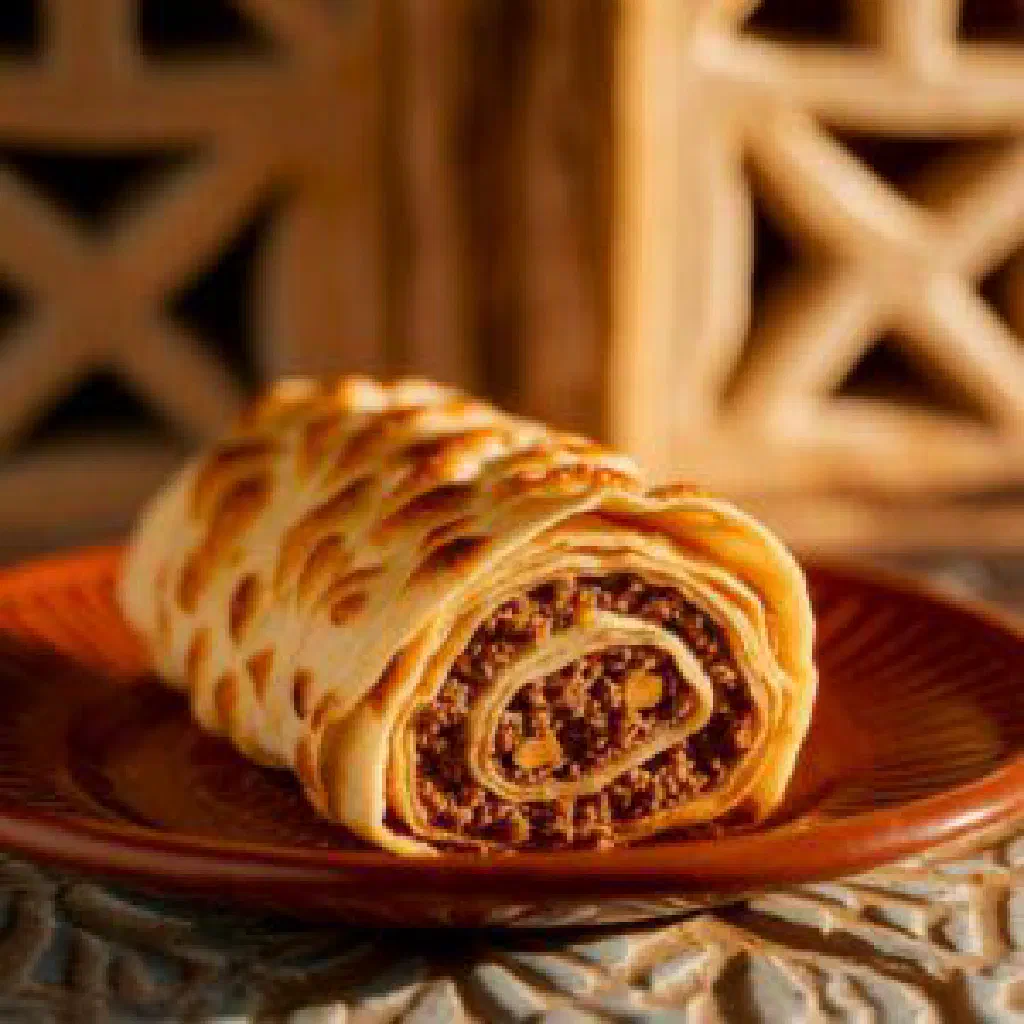
Meet Rolet, a savoury little treat from the Iranian kitchen that turns tender, spiced minced meat into a crisp yet pillowy parcel of pastry. Fragrant with cumin and turmeric and finished with a handful of fresh herbs, these golden rolls are the sort of thing that vanishes from the plate before the last one has cooled. A light meal or party finger food, they bring the warm, generous flavours of Persian cooking straight to your table.
About Rolet
Rolet is a traditional Iranian dish that appeals to food lovers and fans of Middle Eastern cooking alike. It pairs tender meat with aromatic spices, all wrapped in a pastry that manages to be soft and crisp at the same time. More than a simple mouthful, it offers the layered flavours that are so typical of Iranian cuisine. Rolet is often served with fresh herbs and small side dishes that deepen its taste and round out the experience.
Ingredients (serves 1–2)
- 250 g minced meat (beef or lamb)
- 1 large onion, finely chopped
- 2 cloves of garlic, crushed
- 100 g bulgur or rice
- 1 teaspoon cumin
- 1 teaspoon turmeric
- Salt and pepper to taste
- 200 g pastry (filo or puff pastry)
- Fresh herbs (such as parsley and coriander)
Shopping for the ingredients
When shopping for the ingredients for rolet, a little preparation goes a long way towards finding the very best produce. A local grocery or a spice market is ideal for picking up fresh herbs and good-quality spices. Many of these items are easy to find in a regular supermarket too, but do make sure the minced meat is fresh and of good quality. When choosing the pastry, check the packaging carefully to select a decent puff or filo pastry.
Preparing the dish
Good preparation is key to the flavour and texture of rolet. Start by frying the onion and garlic until golden brown. While they cook, prepare the bulgur or rice according to the packet instructions. Once these are ready, combine them with the minced meat and the spices to create a fragrant, well-seasoned filling.
Step-by-step instructions
- Mix the minced meat with the onions, garlic, bulgur and spices in a bowl.
- Roll out the pastry on a clean work surface and cut it into even pieces.
- Place a portion of the filling on each piece of pastry and roll them up carefully.
- Bake the rolets on a lined baking tray at 180°C for about 25–30 minutes, until golden brown.
- Serve the rolets warm with fresh herbs and side dishes.
Gluten-free / lactose-free version
For a gluten-free version, you can use gluten-free flour or one of the special gluten-free pastry alternatives now widely available. The filling is often already lactose-free, as it usually contains nothing more than minced meat and spices. Simply keep an eye on which products you use and whether they carry a gluten-free or lactose-free label. That way, even guests with sensitive stomachs can enjoy rolet without missing out on the flavour.
Tips for vegans and vegetarians
Vegans and vegetarians can adapt rolet by swapping the minced meat for plant-based alternatives. A mixture of lentils or minced soya, for instance, provides much the same protein content. Add some diced vegetables or tofu for a tasty, nourishing filling, much like the hearty beans in a bowl of Baghali Ghatogh. Finish with a little extra spice to bring out the full depth of flavour.
More tips and tricks
There are plenty of tips and tricks for making rolet even more delicious. Experiment with different spice combinations, a pinch of cinnamon or nutmeg, say, to create interesting layers of flavour. Marinating the meat before cooking can also intensify the taste. Take care not to overfill the pastry, so it does not tear and the rolets hold together neatly during baking.
Adapting the recipe to your taste
Everyone has their own preferences when it comes to flavour and texture. Adapt the recipe to suit your own taste by adding more or fewer spices, or by working in different ingredients. Some people like things hotter, so a little chilli is a good way to give the dish a lift. Thanks to the versatility of rolet, there is always a new variation to try.
Ingredient substitutions
If you do not have every ingredient to hand, there are often easy substitutions to fall back on. Bulgur, for example, can be replaced with rice or quinoa, both of which give a pleasing texture. There are countless regional variations for the spices too, so feel free to be creative and develop your own secret blends. Be adventurous and give the dish a personal touch.
Drink pairing ideas
A range of drinks pairs beautifully with rolet and complements the flavours of the dish. A refreshing yoghurt drink balances the savoury filling, while a robust red wine highlights the spices. Alternatively, serve a light, sparkling mineral water with lemon to underline the aromas. You might also experiment with different teas, which can make an intriguing match for the flavours of rolet.
Serving and presentation ideas
Thoughtful presentation can greatly enhance the enjoyment of rolet. Serve the rolls on an attractive plate, garnished with fresh herbs and a selection of sides such as salad or a yoghurt dip. A carefully arranged plate lifts the dish visually and improves the whole dining experience. A well-laid table with matching crockery and accessories brings a touch of Persian flair to your kitchen.
A bit of history
Rolet has a long history in Iranian cuisine and reflects the cultural richness of the region. Once served as festive fare, it is today a favourite for any occasion. The interplay of different fillings and spices shows the creativity and tradition of Persian cooking, much as you find in beloved classics like Ghormeh Sabzi or Fesenjan. In this way, rolet is a piece of Iranian cuisine that is treasured around the world.
More recipe ideas
Summary: Rolet
In short, rolet is a versatile and delicious dish that wins people over with its tender meat filling and aromatic spices. It is hugely popular and offers a wonderful way to discover the flavours of Iranian cuisine. With the right recipe and a little creativity, you too can make this culinary highlight in your own kitchen and enjoy it at its best. Let its many possibilities inspire you.