National Dish Iran: Sabzi Polo Ba Mahi (Recipe)
In this article
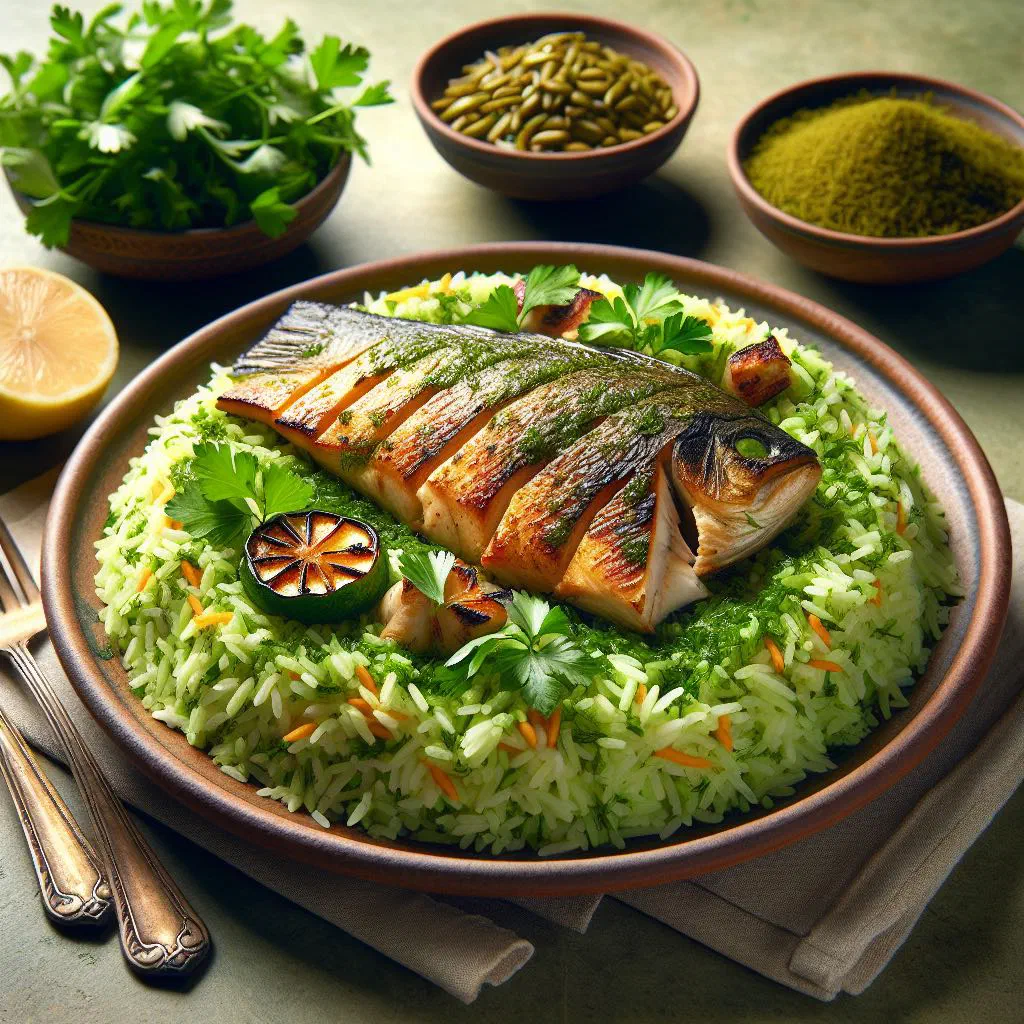
Meet Sabzi Polo Ba Mahi, the fragrant herb rice and fish that crowns the Persian New Year table. Fluffy basmati flecked with dill, parsley and coriander sits beside tender, lemon-scented fish, making a dish that is as beautiful to look at as it is to eat. Traditionally served for Nowruz, it turns any family gathering into a celebration and offers a wonderful window onto the flavours of Iran.
About Sabzi Polo Ba Mahi
Sabzi Polo Ba Mahi is a traditional Iranian dish that reflects the country’s rich culinary heritage. The pairing of aromatic rice cooked with a generous handful of fresh herbs and delicately marinated fish makes it an absolute feast. It is most often served on special occasions, above all during the Iranian New Year, Nowruz. Beyond its wonderful taste, it brings a striking play of colours to the plate that lifts any family meal into something memorable.
Ingredients (serves 1–2)
- 200 g basmati rice
- 100 g fresh herbs (dill, parsley, coriander)
- 2 small fish (such as carp or sea bream)
- 1 onion
- 1 lemon (juice and zest)
- Oil and spices (turmeric, salt, pepper)
- Optional: raisins and nuts, to garnish
Shopping for the ingredients
To get the best results with Sabzi Polo Ba Mahi, it is worth choosing high-quality ingredients. Look for fresh herbs at a local market or health-food shop, as they make a real difference to the flavour. Take care to buy fresh fish, too. Ask your fishmonger about the provenance of the fish to be sure of its quality and freshness.
Preparing the dish
Preparing Sabzi Polo Ba Mahi takes a little time, but it is well worth the effort. Start by rinsing the rice, then leave it to soak in cold water for at least 30 minutes to achieve the ideal texture. Prepare the herbs by washing them thoroughly and chopping them roughly. Have your chosen spices to hand so you can balance the aromas nicely as you cook.
Step-by-step instructions
- Boil the rice in a large pan of water for about 8 minutes, until it is half-cooked. Drain and set aside.
- Heat a little oil in a frying pan and gently soften the roughly chopped onion until translucent.
- Add the chopped herbs to the onion and stir-fry briefly.
- Tip the par-cooked rice and the herb mixture into a large bowl and combine everything well.
- Marinate the fish with lemon juice, salt and other spices, then fry it separately in a pan.
- Arrange the rice on a plate and lay the fish on top, garnishing with raisins and nuts if you like.
Gluten-free / lactose-free version
Sabzi Polo Ba Mahi is naturally gluten-free and lactose-free, since it is made mainly from rice and fresh herbs. As the dish needs neither flour nor dairy, anyone with these intolerances can enjoy it without worry. Just take care to choose spices and oils that contain no gluten, so the dish stays completely pure.
Tips for vegans and vegetarians
For a vegan version of Sabzi Polo Ba Mahi, simply swap the fish for grilled vegetables or cubes of tofu. Marinate the vegetables or tofu with the same spices you would use for the fish to achieve a similarly delicious flavour. Alternatively, a combination of mushrooms and peppers works well to enrich both texture and taste. Enjoy it with the beautifully prepared herb rice.
More tips and tricks
For the best result, take care not to overcook the rice, or it will turn mushy. Finding the ideal cooking time is key to a perfect consistency. To deepen the flavour, add a pinch of saffron to the water in which you cook the rice. This gives the dish a wonderful aroma and a beautiful golden colour.
Adapting the recipe to your taste
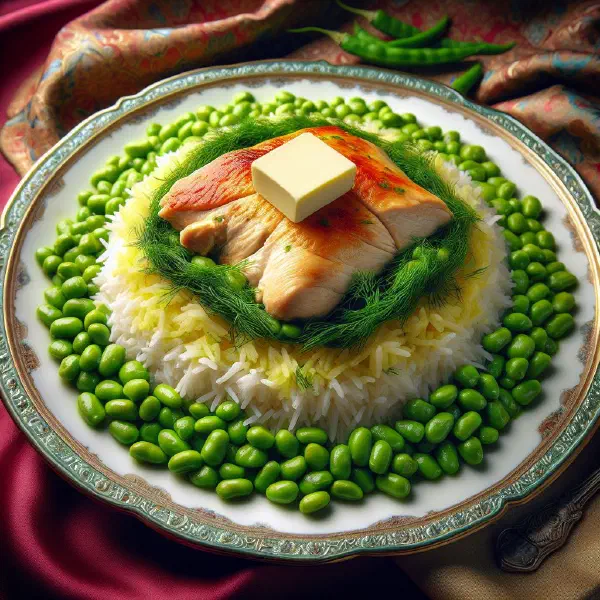
Everyone has their own preferences, so feel free to adapt Sabzi Polo Ba Mahi as you please. Add diced carrots or peas to the rice for extra flavour and colour. Different types of fish can be used to create variations, much as broad beans transform the herb rice in a Baghali Polo. Experiment with the spices to bring the dish in line with your personal taste.
Ingredient substitutions
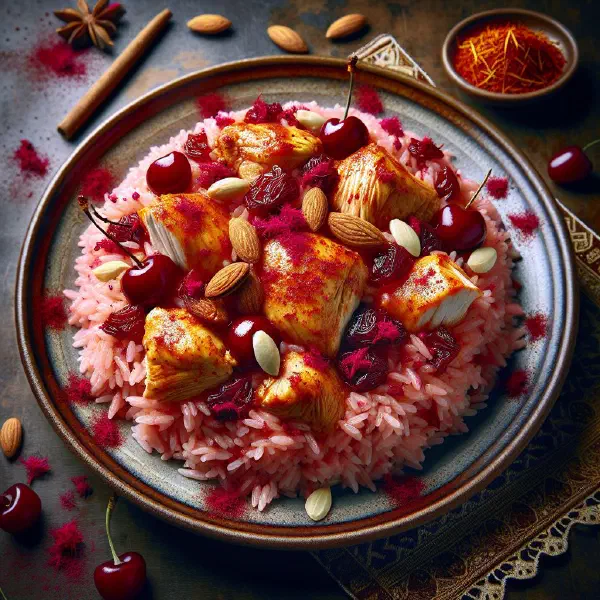
If you do not have every ingredient to hand, there are plenty of alternatives. In place of parsley you can use mint or another herb you enjoy. When it comes to the fish, salmon or trout also make tasty stand-ins. Depending on the region, you can even swap the rice for quinoa or couscous if you fancy a change, and if you love jewelled rice dishes, a barberry-studded Zereshk Polo is well worth a try.
Drink pairing ideas
Sabzi Polo Ba Mahi goes beautifully with Iranian drinks such as doogh, a refreshing yoghurt drink that complements the dish’s flavours perfectly. Alternatively, you might serve a dry white wine or even herbal teas, which underline the fresh aromas. Pomegranate juice or mint tea also make lovely accompaniments for an authentic experience.
Serving and presentation ideas
Presentation is crucial with Sabzi Polo Ba Mahi if you want to make your guests’ mouths water. Arrange the rice artfully on the plate and place the fish attractively on top. Garnish the dish with fresh herbs and nuts to add a splash of colour. Serve it on beautiful plates and pay attention to the table setting to round off the whole dining experience.
A bit of history
Sabzi Polo Ba Mahi has a long tradition in Iranian cooking and is especially bound up with the Nowruz celebrations. The fish symbolises abundance and good fortune, while the herb rice stands for the fertility of the earth. The dish carries the deep-rooted values of Iranian culture and is a fixture at family gatherings. Its preparation is often a shared event, bringing friends and family together and offering a warm taste of Iranian cuisine.
More recipe ideas
Summary: Sabzi Polo Ba Mahi
Sabzi Polo Ba Mahi is the ideal dish for getting to know Iranian cuisine and bringing a piece of culture to the table. With its flavourful combination of aromatic rice, fresh herbs and tender fish, it is a treat for the senses. Experiment with the variations and enjoy the many flavours of Iran.