National Dish Iran: Samanu (Recipe)
In this article
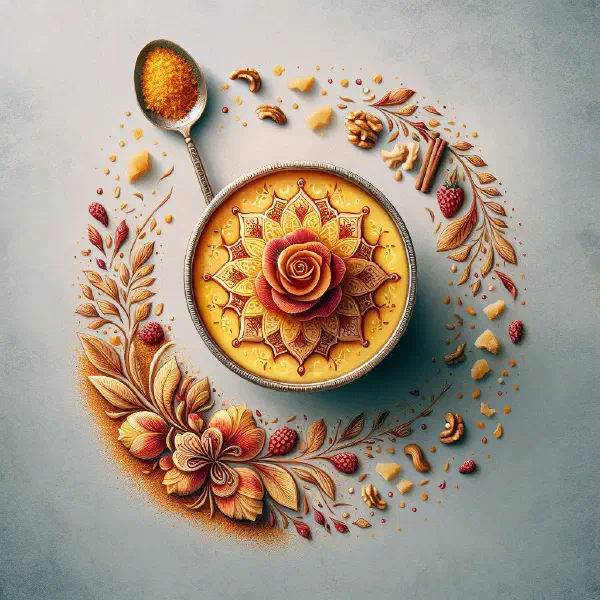
Meet Samanu, one of Iran’s most cherished sweet treats and a dish steeped in meaning. Prepared above all for the Nowruz new year celebrations, this dark, silky paste is made entirely from sprouted wheat, a symbol of fertility and abundance. Its deep, malty sweetness and velvety texture have made it a family favourite passed down through the generations. Bring a little of this ancient Persian tradition into your own kitchen.
About Samanu
Samanu is a time-honoured Iranian dish rich in symbolic meaning. This sweet paste is most often prepared during the Nowruz new year festival and forms a central part of the celebrations. It is made from wheat germ, which stands for fertility and prosperity. Its creamy consistency and singular flavour make it a special delicacy that many families have treasured for generations, a shining example of Iranian cuisine.
Ingredients (serves 1–2)
- 1 cup wheat germ
- 5 cups water
- 1 cup sugar
- 1 tablespoon oil (optional)
- 1 teaspoon cinnamon (optional)
Shopping for the ingredients
To make Samanu successfully, it is important to choose the right ingredients. Wheat germ is widely available in Asian or Middle Eastern grocery shops. You should also take care to use good-quality sugar so the sweet flavour comes through at its best. It is worth picking up fresh spices such as cinnamon too, to round out and refine the overall flavour profile.
Preparing the dish
Preparing Samanu begins with the careful selection and preparation of the ingredients. The wheat germ first needs to be soaked overnight so it softens and can release its natural starch. This is a crucial step in achieving the dish’s creamy consistency. Once the wheat germ has soaked, the actual cooking can begin.
Step-by-step instructions
- Rinse the soaked wheat germ thoroughly and tip it into a large pan.
- Add 5 cups of water to the wheat germ and bring everything to the boil.
- Reduce the heat and let it simmer gently for about 2–3 hours, stirring occasionally.
- After cooking, pass the mixture through a fine sieve to separate out the liquid.
- Return the strained liquid to the pan and add the sugar, along with the oil or cinnamon if using.
- Simmer the mixture again until it thickens and turns richer and creamier.
- Spoon the Samanu into a bowl and let it cool before serving.
Gluten-free / lactose-free version
One great advantage of Samanu is that it is naturally lactose-free. Because it contains no dairy, it can be enjoyed by anyone avoiding milk products. Do bear in mind, however, that it is made from wheat and so is not suitable for those with coeliac disease; if you need a strictly gluten-free version, seek out a certified gluten-free grain alternative. Checking that every other ingredient is free from gluten and lactose makes this a thoughtful option for guests with dietary needs.
Tips for vegans and vegetarians
Samanu is ideal for vegans and vegetarians, as it contains no animal products whatsoever. To enrich the dish further, you can use alternative sweeteners such as maple syrup or agave nectar. You might also experiment with different spices, like vanilla or cardamom, to vary the flavour. With a few personal tweaks, Samanu becomes an exciting and wholesome treat for every kind of diet.
More tips and tricks
Making Samanu calls for a little patience and dedication, but there are some handy tips and tricks that can ease the process. Soaking the wheat germ for longer, for instance, helps you reach a better consistency. Stirring constantly during cooking keeps the paste from turning sticky or catching. A pinch of salt can also help to intensify and balance the overall flavour.
Adapting the recipe to your taste
Samanu is a versatile dish that is easily adapted to personal preference. Experiment with different sweeteners to find the best combination for your palate. You can also add various nuts or dried fruits to build extra texture and aroma, much as you would when serving Dolmeh. This makes the dish not only more individual but all the more delicious.
Ingredient substitutions
If you do not have a particular ingredient to hand or need an alternative, adjustments are easy to make. Instead of sugar, you can use a sugar-free sweetener that suits you better. For an even creamier consistency, coconut milk could be used in place of some of the water. With these simple swaps the dish stays wonderfully tasty while matching your personal preferences.
Drink pairing ideas
To round off the Samanu experience, there are plenty of drinks that pair beautifully with it. Traditionally a refreshing herbal tea is served, its lightness balancing the sweetness of the dish perfectly. A freshly pressed pomegranate juice also makes a lovely accompaniment, much like the pomegranate at the heart of Fesenjan. These drinks deepen the flavour experience while remaining refreshing.
Serving and presentation ideas
Presentation plays a big part in serving Samanu. Use decorative bowls or glasses to present the dish attractively. A dusting of cinnamon or a scattering of nuts on top lets you add simple yet striking accents. In this way Samanu becomes more than a culinary treat but a visual highlight for any festive gathering.
A bit of history
The story of Samanu reaches far back and is closely bound up with Iranian traditions. It is a fixed part of Nowruz, the Iranian new year that celebrates the arrival of spring. Preparing Samanu is often a communal activity, with families coming together to make this heart-warming dish over long hours. This tradition reflects deep cultural roots and the value of family and togetherness.
More recipe ideas
Summary: Samanu
In short, Samanu is a unique and traditional Iranian dish that brings joy both in the making and in the eating. It symbolises not only fertility and prosperity but is inseparable from the celebrations of Nowruz. By experimenting with ingredients and taking personal preferences into account, anyone can create their own version of Samanu. A culinary experience that lingers long in the memory.