National Dish Iran: Sholeh Zard (Recipe)
In this article
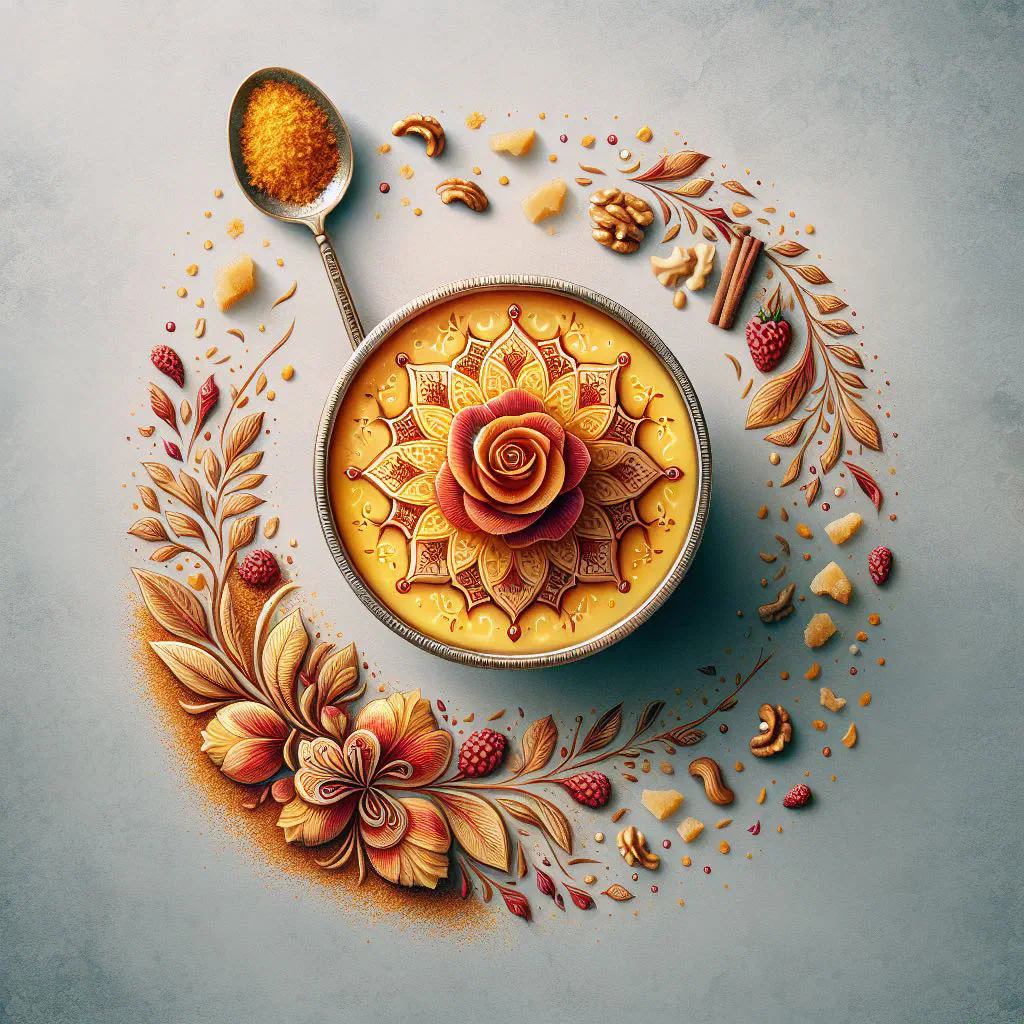
Discover Sholeh Zard, one of Iran’s most cherished sweet treats. This luminous saffron rice pudding is a symbol of hospitality and celebration, prized as much for its glowing golden colour as for its delicate perfume. Fragrant with saffron and rosewater and finished with a flourish of almonds and cinnamon, it graces festive tables across the country. Bring a little of that Persian warmth and elegance straight to your own kitchen.
About Sholeh Zard
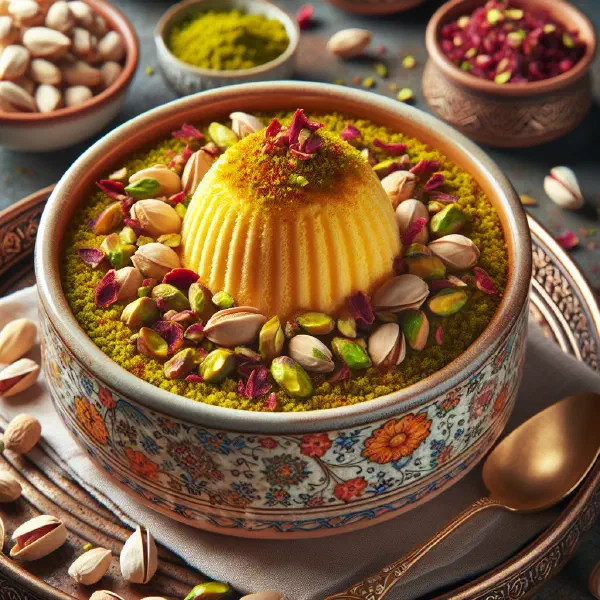
Sholeh Zard is a much-loved Iranian dessert and a symbol of hospitality and festivity. Its vivid yellow colour makes it a perfect highlight on any festively laid table. It is often decorated with almonds and cinnamon, which lend the dessert extra flavour and a striking visual appeal.
Ingredients (serves 1–2)
- 100 g rice (preferably short-grain)
- 500 ml water
- 100 g sugar
- 1/4 teaspoon saffron
- 1 teaspoon rosewater
- 1 pinch of salt
- 2 tablespoons flaked almonds (to decorate)
- 1 teaspoon cinnamon (to decorate)
Shopping for the ingredients
When you set out to buy the ingredients for Sholeh Zard, take care to choose high-quality products. Saffron in particular can vary considerably in quality and price, so look for a trustworthy supplier. It is also wise to buy fresh, good-quality rice, as this has a marked effect on the flavour of the dessert. In Middle Eastern shops you will often find rosewater too, which rounds off the aroma of the pudding beautifully.
Preparing the dish
Preparing Sholeh Zard is fairly straightforward, but it does take a little patience to get the best from the ingredients. First the rice should be washed thoroughly to remove excess starch, which helps achieve a creamier consistency. Next, remember to steep the saffron in a little hot water so it can release its aroma before you add it to the mixture.
Step-by-step instructions
- Put the washed rice into a pan with 500 ml water and a pinch of salt and bring to the boil.
- Reduce the heat and let the rice simmer gently over a low temperature for about 30 minutes.
- Once the water has almost fully been absorbed, add the sugar and the steeped saffron water.
- Keep stirring until the mixture reaches a creamy consistency. This can take a further 10–15 minutes.
- Finally, add the rosewater and mix everything together well.
- Spoon the mixture into small bowls and let it cool before decorating with almonds and cinnamon.
Gluten-free / lactose-free version
Sholeh Zard is naturally gluten-free and lactose-free, as it contains no wheat or dairy products. This makes it an excellent dessert choice for anyone with these food intolerances. The ingredients are also easy to swap for other gluten-free or plant-based alternatives if desired. When using extras such as cinnamon or nuts, just make sure that these too are free from gluten.
Tips for vegans and vegetarians
For vegans, Sholeh Zard is an ideal choice, since the dessert contains only plant-based ingredients. To vary the sweetness, you can use natural sweeteners such as agave syrup or stevia in place of sugar. If you would like to add extra aromas, try vanilla or a little cardamom to adapt the dessert. That way everyone can enjoy this delicious treat without having to make compromises.
More tips and tricks
An important tip when making Sholeh Zard is not to cook the rice for too long, so that you keep a creamy texture. Experiment with the consistency, too, depending on whether you prefer it a little firmer or looser. To make the dessert even more festive, you can use dried rose petals or other edible flowers. These add flavour to the dish and look wonderful.
Adapting the recipe to your taste
The recipe for Sholeh Zard is easy to adapt to personal preference. If you like to experiment, you can use different kinds of nuts, such as pistachios or walnuts. You can also adjust the amount of sugar to suit your own taste. If you want a more intense aroma, add a little more rosewater, or experiment with different varieties of saffron. This flexible spirit runs through much of Iranian cuisine.
Ingredient substitutions
Should you have trouble finding some of the ingredients for Sholeh Zard, there are alternatives. Instead of rosewater you can also use orange blossom water, which gives the dessert a different but equally delicious flavour, a fragrant touch it shares with the almond sweet Ranginak. For a sweeter version you could use coconut sugar in place of ordinary sugar.
Drink pairing ideas
The drinks that go best with Sholeh Zard are light and refreshing. A classic Iranian chai (black tea) is an excellent choice to complement the flavour of the dessert. Alternatively you can serve a mint drink for a little extra freshness, much like the tangy Sekanjabin syrup drink. For a non-alcoholic option, a rose petal tea or a lemon-and-mint lemonade makes a perfect partner.
Serving and presentation ideas
The presentation of Sholeh Zard can impress your guests and make the dessert look even more appealing. Serve it in transparent bowls to show off the bright yellow colour. Decorate the top with flaked almonds, a dusting of cinnamon and fresh mint leaves. A lovely touch is to garnish the dessert with edible flowers. It will not only look wonderful but taste good too. Serve it alongside the creamy Shir Berenj for a spread of Persian puddings.
A bit of history
Sholeh Zard has a long history in Iranian culture, where it is often served at religious holidays, weddings and other festive occasions. Rice, the base of the dessert, plays a significant role in Iran, both in the kitchen and in the cultural context. In earlier times the use of saffron in dishes was a sign of wealth and refinement. The traditional recipes have been handed down across generations and remain hugely popular in modern Iran, much like the celebrated saffron rice dish Zereshk Polo.
More recipe ideas
Summary: Sholeh Zard
In summary, Sholeh Zard is a delicious and traditional Iranian dessert that tempts the palate and appeals to with its bright colour and elegant presentation. The variety of ingredients and the ease with which the recipe can be adapted to personal taste make it a wonderful choice for any occasion. With a little patience and creativity you can easily prepare this marvellous dessert yourself and serve it to your guests. Let the aromas of the Orient enchant you and enjoy a piece of Iranian culture at your table.