National Dish Iran: Tahdig (Recipe)
In this article
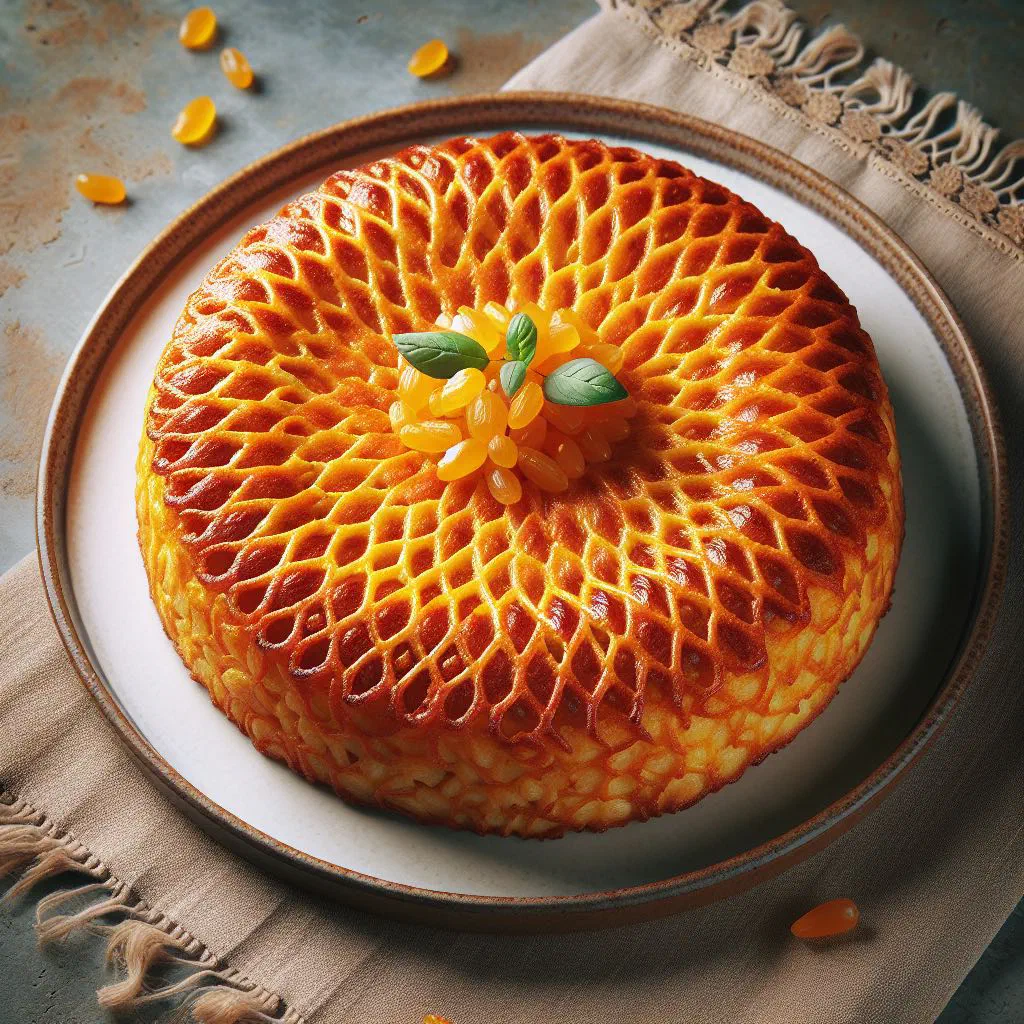
Discover the authentic recipe for Tahdig, the crowning glory of Iranian cooking, where humble rice is transformed into a golden, very crisp crust. The name means “bottom of the pot”, and that is exactly where the magic happens, a deeply satisfying layer of crackling rice that many diners quietly hope to claim for themselves. With a little patience and a few everyday ingredients, you can bring this treasured Persian classic straight to your own table.
About Tahdig
Tahdig, which literally means “bottom of the pot”, is a crisp rice crust that forms at the base of the cooking pan and is one of the great treasures of Iranian cuisine. This delicate, golden layer sits at the heart of nearly every Persian meal and is often regarded as the very best part of the whole dish. Prized for its crunchy texture and buttery flavour, it turns a simple pot of rice into something guests remember long after the meal is over.
Ingredients (serves 1–2)
- 1 cup basmati rice
- 2 tablespoons butter or vegetable oil
- 1 pinch of saffron (optional)
- Salt to taste
- 1 large potato (optional, for variation)
Shopping for the ingredients
The ingredients you need for tahdig are available in most supermarkets. Basmati rice and butter are everyday staples, while saffron is often found in well-stocked spice aisles or in speciality shops. If saffron proves hard to track down or too expensive, it can be left out without spoiling the dish. As with so much of Iranian cuisine, it is the quality of the rice that makes all the difference, so choose a good long-grain basmati where you can.
Preparing the dish
Begin by measuring out and washing the rice. Rinse it several times under cold water until the water runs clear. This removes excess starch and stops the rice turning sticky. Once rinsed, leave the rice to soak in water for 30 minutes. This short soak helps the grains cook up light and separate, which is essential for a good crust to form later.
Step-by-step instructions
- Bring a large pot of salted water to the boil.
- Add the soaked rice and cook for about 5–7 minutes, until it is almost done. It should still have a little bite.
- Drain the rice and rinse it under cold water.
- Melt the butter or heat the oil in a non-stick pot over medium heat. If using saffron, dissolve it in 3 tablespoons of hot water and add the mixture to the pot.
- Optional: slice the potato thinly and lay the slices across the bottom of the pot.
- Gently spoon the drained rice into the pot and shape it into a pyramid.
- Cover the pot with a clean tea towel and a well-fitting lid. The towel absorbs the steam, which keeps the crust beautifully crisp.
- Cook the rice over low heat for about 30–40 minutes, until a golden-brown crust has formed.
- Carefully invert the rice onto a serving plate so the crispy crust sits on top.
Gluten-free / lactose-free version
Tahdig is naturally gluten-free, as it is made entirely from rice, saffron and fat, making it an easy choice for anyone with a gluten intolerance. For a lactose-free version, simply swap the butter for vegetable oil or a plant-based margarine.
Tips for vegans and vegetarians
For vegans, the butter can simply be replaced with vegetable oil. Otherwise tahdig is naturally vegetarian and can be prepared entirely without animal products. Reach for a good-quality oil and a generous pinch of saffron, and you will find a plant-based version loses none of its golden colour or satisfying crunch.
More tips and tricks
Tahdig can be made from a range of bases, such as bread or even a layer of noodles instead of potato. Experiment with different foundations to find your own perfect version. A steady, gentle heat is the real secret, resist the urge to peek too often, and let the crust build slowly for the best results.
Adapting the recipe to your taste
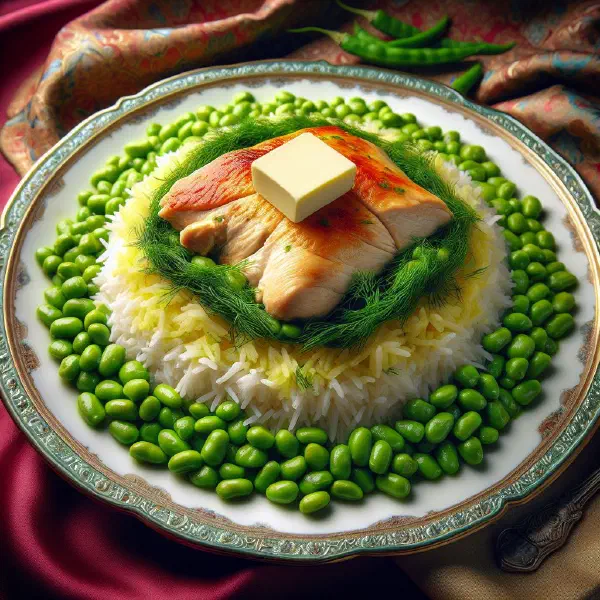
Adjust the amount of salt and butter or oil to suit your own preferences. You can also add vegetables or fresh herbs to work extra flavours into the rice. A pinch of saffron gives a wonderful aroma and colour, while a few chopped herbs echo the fragrant style of a good Sabzi Polo.
Ingredient substitutions
If saffron is hard to find, you can use turmeric as an alternative for both colour and flavour. Instead of potatoes you might try carrots or parsnips at the base of the pot to create a little variety. These swaps let you adapt the recipe to whatever you have to hand while still achieving that signature crisp crust.
Drink pairing ideas
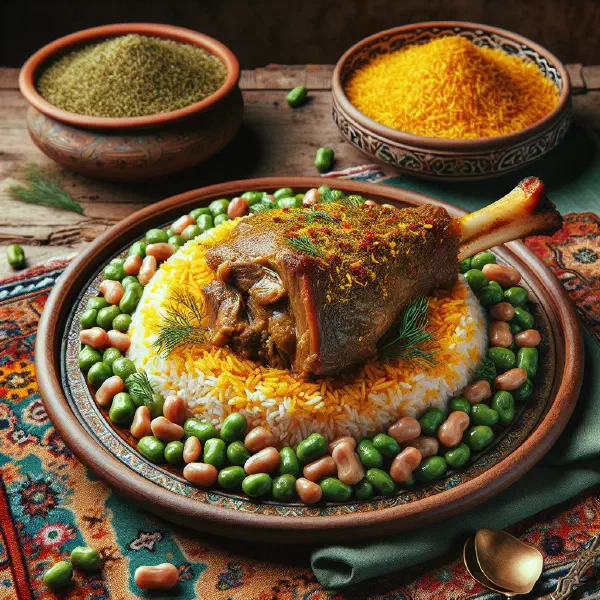
A refreshing yoghurt drink such as doogh pairs wonderfully with tahdig, and its cool tang works beautifully alongside a herby Ash E Doogh. Fresh mint tea also complements the dish nicely, as does a fruity pomegranate juice, the same bright note that lifts a rich Fesenjan.
Serving and presentation ideas
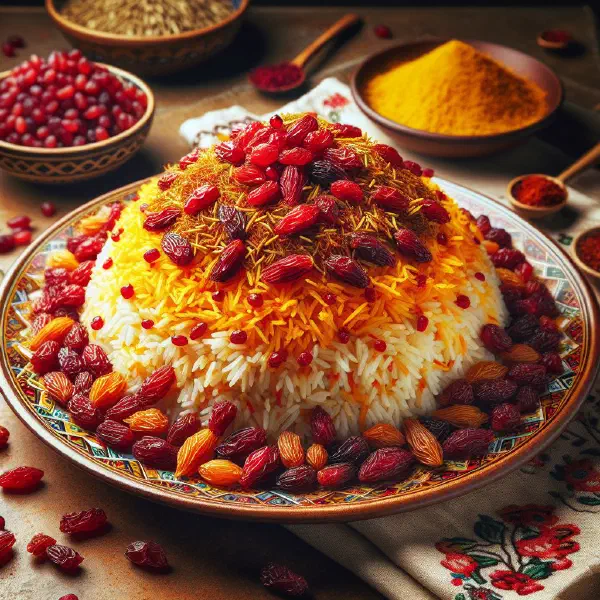
Serve tahdig on a large, flat platter so the crispy crust is clearly on show. Garnish the rice with fresh herbs or a scattering of pomegranate seeds for a colourful accent. Presented crust-side up, it makes a striking centrepiece and pairs handsomely with a hearty main such as Zereshk Polo.
A bit of history
Tahdig is deeply rooted in Persian cookery and is regarded as a mark of great culinary skill. It is a central part of many family celebrations and is often seen as a special highlight of a well-prepared meal. To serve a perfect, unbroken crust is a quiet point of pride for many Iranian cooks, and it remains one of the most beloved elements of the country’s table.
More recipe ideas
Summary: Tahdig
Tahdig is far more than just a crisp rice crust. It is a symbol of Iranian hospitality and culture. With a little patience and a few simple ingredients, you can recreate and enjoy this culinary highlight in your own kitchen. Experiment with different bases and methods to craft your own perfect tahdig, and you will soon understand why so many consider it the finest part of any Persian meal.