National Dish Iran: Yatimcheh (Recipe)
In this article
Discover Yatimcheh, a fragrant aubergine speciality that sits close to the heart of Persian home cooking. Tender aubergines are simmered with ripe tomatoes, warm spices and a handful of lentils to create a dish that is at once humble and deeply satisfying. Equally happy as a side or a main, it is an essential taste of Iran’s rich culinary tradition, nourishing, aromatic and endlessly comforting.
About Yatimcheh
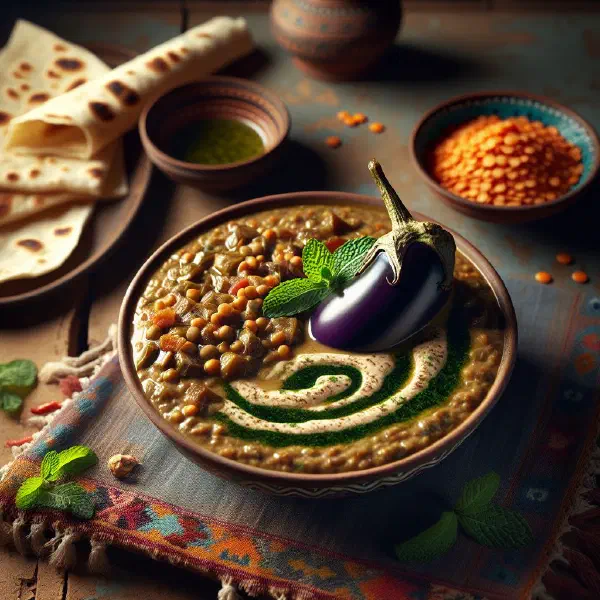
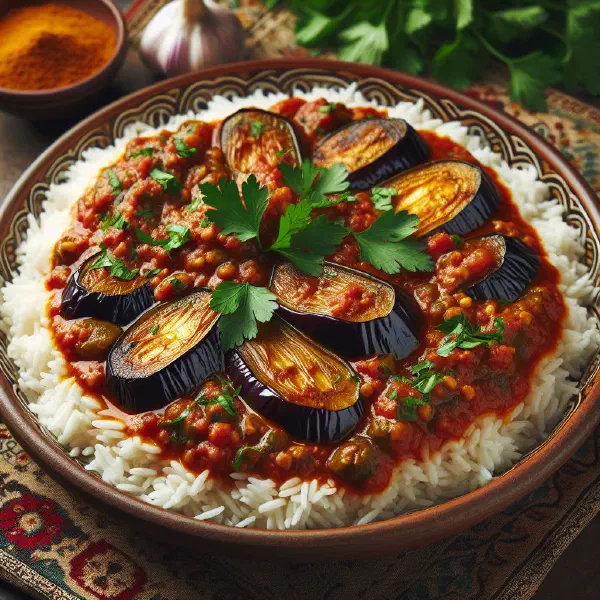
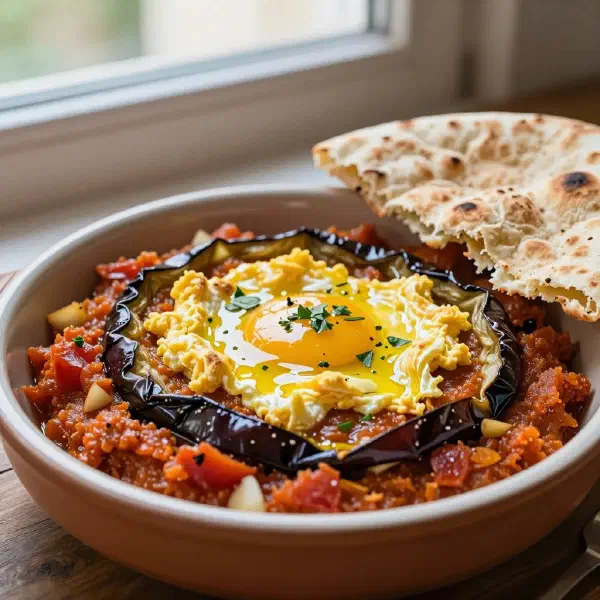
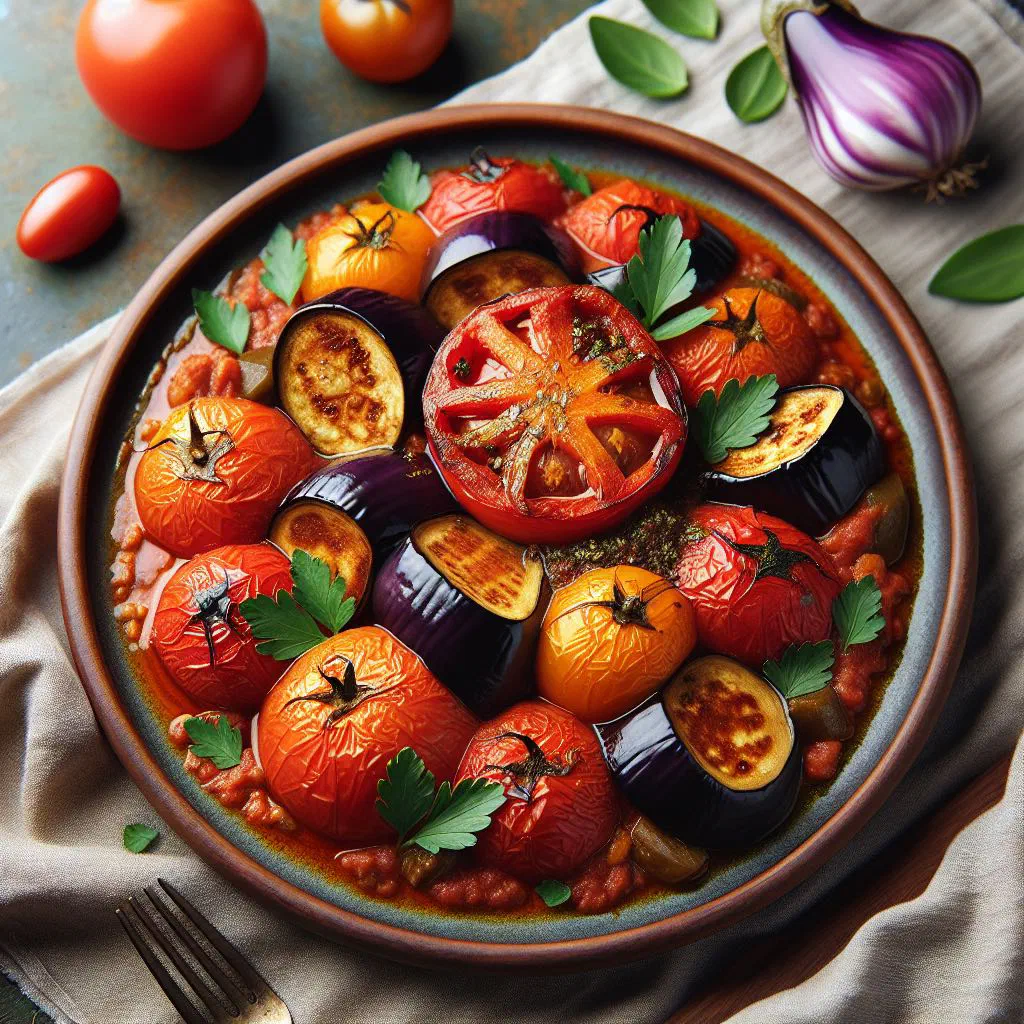
Yatimcheh is a traditional Iranian dish that is especially treasured in Persian cuisine. It is an aromatic aubergine speciality, cooked with a combination of tender tomatoes, fragrant spices and, very often, lentils or beans. The dish can be served both as a side and as a main course, which makes it wonderfully versatile. For anyone keen to explore the rich food culture of Iran, it is a must, delicious and genuinely nourishing.
Ingredients (serves 1–2)
- 2 large aubergines
- 3 ripe tomatoes
- 1 onion
- 2 tablespoons olive oil
- 1 teaspoon turmeric
- 1 teaspoon cumin
- 1 cup cooked lentils or beans
- Salt and pepper to taste
- Fresh herbs to garnish (e.g. parsley or coriander)
Shopping for the ingredients
When shopping for the ingredients for Yatimcheh, it is important to pay attention to the quality of the aubergines and tomatoes. Fresh, ripe produce makes all the difference to the flavour of the finished dish. If you can, visit a local market to pick up regional produce, which often offers fresher options than the large supermarkets. Take care to choose good-quality spices too, as they shape the character of the dish considerably.
Preparing the dish
Before you begin cooking Yatimcheh, it is worth preparing all of the ingredients. The aubergines need to be washed and cut into cubes, while the tomatoes should be diced as well. The onion can be finely chopped to give it a particularly aromatic flavour. The lentils or beans should also be ready to hand, especially if they have not already been pre-cooked.
Step-by-step instructions
- Heat the olive oil in a frying pan and add the chopped onion. Fry until golden brown.
- Add the diced aubergines to the pan and cook for around 5–7 minutes, until soft.
- Stir in the diced tomatoes and the spices (turmeric, cumin, salt and pepper) and let everything simmer for about 10 minutes.
- Add the cooked lentils or beans to the pan and stir well. Simmer for a further 5 minutes so the flavours can mingle nicely.
Gluten-free / lactose-free version
Yatimcheh is naturally gluten-free and lactose-free, which makes it an excellent choice for anyone with food intolerances. Since the dish is built around vegetables, spices and pulses, you can enjoy it without a second thought. Do always check your spices, however, to make sure there are no hidden sources of gluten.
Tips for vegans and vegetarians
Yatimcheh is a superb dish for vegans and a nourishing option for vegetarians. The base of aubergines and pulses delivers high-quality plant protein and fibre. To make the dish even more filling, you can add extra vegetables such as courgette or peppers. This broadens the flavour and boosts the nutritional density of the meal.
More tips and tricks
To lift the flavour of Yatimcheh even further, you can finish the dish with a splash of lemon juice or a little pomegranate molasses. It is also well worth adding fresh herbs such as parsley or coriander just before serving, for extra freshness and a lovely visual touch. Another tip is to give the dish a brief blast in the oven to achieve a crisp texture on top.
Adapting the recipe to your taste
Yatimcheh is easy to adjust to different tastes. You can vary the spices, adding chilli for a hotter note, for example, or using fewer spices if you prefer things milder. Using different pulses, such as chickpeas or white beans, can also bring out interesting flavour combinations. Tasting and adjusting as you cook is an essential part of the culinary experience and leads to the best results.
Ingredient substitutions
If you do not care for aubergines, or you simply do not have any to hand, you can make the dish with other vegetables instead. Courgette or pumpkin are excellent alternatives here, bringing a lovely texture of their own. The lentils, too, can be swapped for quinoa or rice if you fancy trying a different texture, much as the smoky aubergine base carries over into a dish like Mirza Ghasemi. Feel free to experiment with the ingredients to discover new variations of Yatimcheh.
Drink pairing ideas
A wide range of drinks pairs well with Yatimcheh, depending on your mood and the occasion. A fresh pomegranate or lemon juice complements the flavours of the dish perfectly and adds a refreshing note. For an alcohol-free choice, you might also offer mint tea, which sits beautifully alongside the Middle Eastern aromas. Anyone after something a little more unusual could pick a light rosé or a regional white wine to round off the culinary experience.
Serving and presentation ideas
Presentation plays an important part in every meal. Serve Yatimcheh in an attractive, decorative bowl and garnish it with fresh herbs for an inviting look. A few roasted nuts or seeds can also make a handsome and tasty addition. Adding some colourful vegetables as a side makes the dish even more appealing and provides a pleasing contrast of colour on the plate.
A bit of history
Yatimcheh has a long history and forms part of a Persian way of life that has developed over centuries. The use of aubergines and pulses is typical of Iranian cuisine, as these ingredients are so often available in the region. The dish reflects the diversity of Iran’s cooking and is a symbol of warm hospitality and a wealth of traditional recipes. In many Iranian households, Yatimcheh is served on special occasions and at festivals.
More recipe ideas
Summary: Yatimcheh
Yatimcheh is an unmistakable dish of Iranian cuisine, winning people over with its delicious combination of aubergines, tomatoes and spices. It is simple to prepare and adaptable, working beautifully as a side or a main course. By using fresh, regional ingredients, every bite becomes a real treat that appeals to both the heart and the palate. Experiment with the variations and enjoy the culinary diversity of Iran.