National Dish Iran: Zereshk Polo (Recipe)
In this article
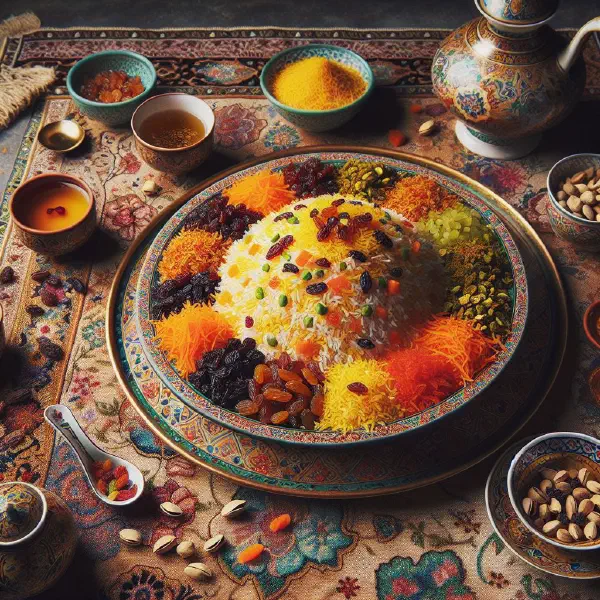
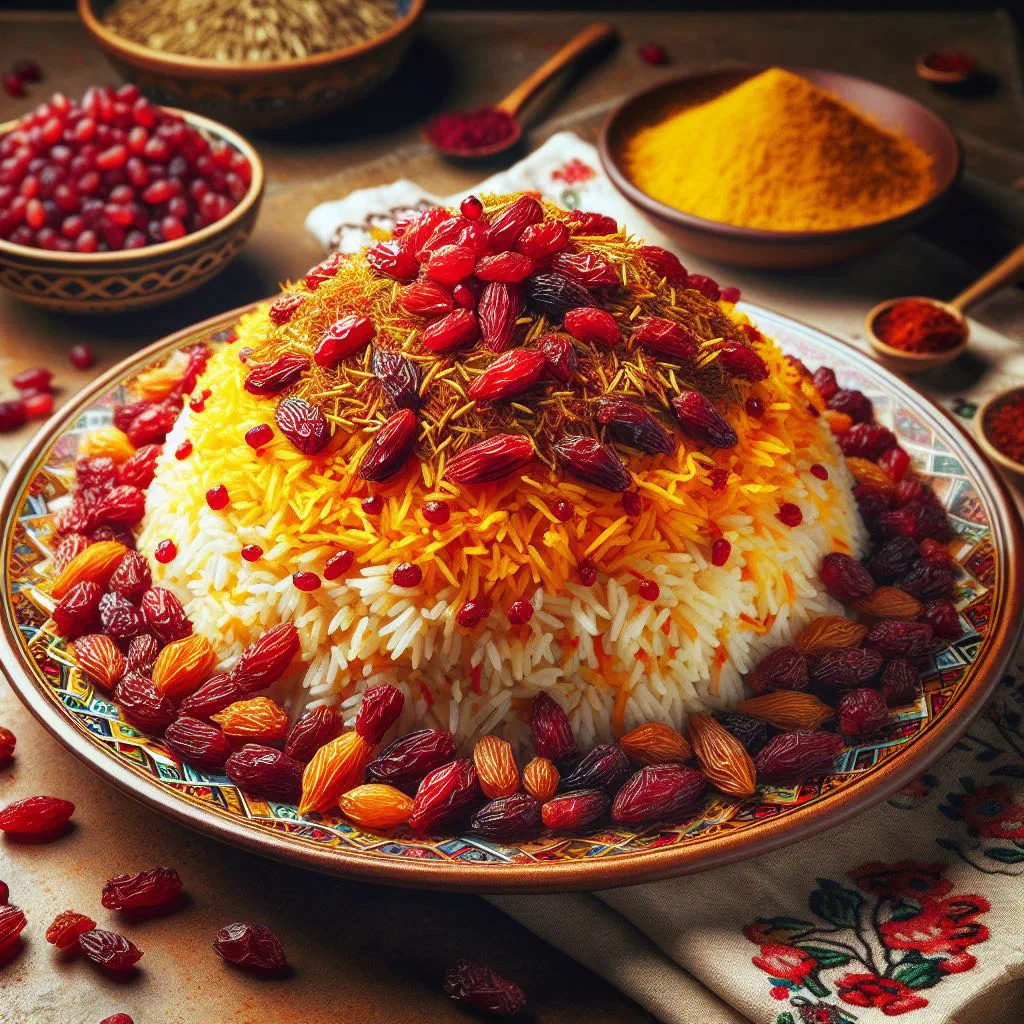
Meet Zereshk Polo, the jewelled rice dish that sits at the heart of the Persian table. Tart, ruby-red barberries glisten against fluffy grains of saffron-scented basmati rice, striking a beautiful balance between sweet and sour. It is a dish that turns any meal into a celebration, and one that carries centuries of Iranian hospitality in every spoonful. Bring the warmth of a Persian kitchen to your own home with this fragrant, colourful classic.
About Zereshk Polo
Zereshk Polo, also known as sour barberry rice, is one of the classic dishes of Persian cuisine. This national favourite is treasured for its unique combination of sweet and sour flavours. What makes it so special is the use of barberries (zereshk), which lend the dish its characteristic tang and a vivid, glowing red colour. Served at weddings and feasts alike, it is a firm fixture of festive Iranian cooking.
Ingredients (serves 1–2)
- 1 cup basmati rice
- 2 cups water
- 1/2 cup barberries (zereshk)
- 1–2 tablespoons sugar
- 2 tablespoons butter or ghee
- 1/2 teaspoon saffron threads
- Salt to taste
- Chopped pistachios, to garnish (optional)
Shopping for the ingredients
You will find barberries (zereshk) and saffron in Middle Eastern supermarkets or well-stocked grocery shops. When buying basmati rice, choose a good-quality grade to guarantee the authentic taste of the dish. A little care at the shopping stage goes a long way towards a truly fragrant, jewel-bright result.
Preparing the dish
Rinse the basmati rice under running water until the water runs clear, which removes excess starch and keeps the grains separate. Soak the barberries in water before using them, so they plump up and their sharpness mellows a little. This gentle preparation is the secret behind properly light, fluffy Persian rice.
Step-by-step instructions
- Soak the saffron threads in 1/4 cup of hot water and leave them to steep for 10 minutes to draw out an intense aroma and colour.
- Cook the basmati rice in 2 cups of water with a little salt. Once cooked, let the rice steam and dry off.
- Meanwhile, heat 1 tablespoon of butter or ghee in a pan and fry the soaked barberries with the sugar until lightly caramelised.
- Gently fold the cooked rice together with the barberries and the saffron infusion.
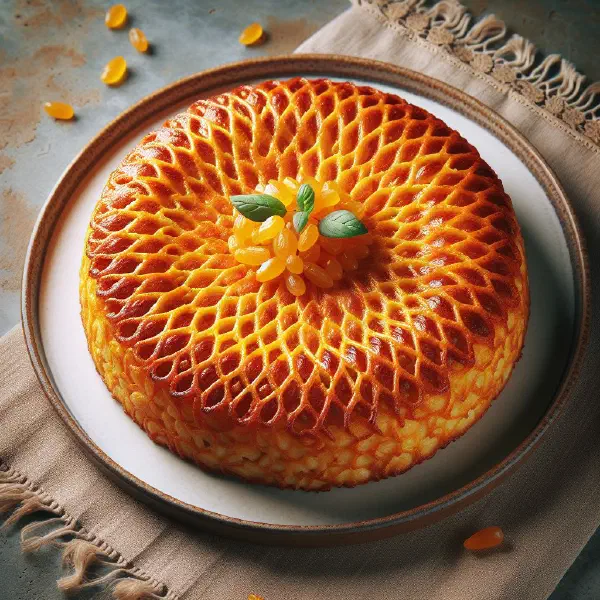
- Tip the rice into a pot, dot with the remaining butter or ghee, and let it steam over low heat until a golden crust forms on the bottom (tahdig).
Gluten-free / lactose-free version
Zereshk Polo is naturally gluten-free, as it is built around rice rather than wheat, making it a safe choice for anyone with a gluten intolerance. For a lactose-free version, simply swap the butter or ghee for a plant-based margarine or oil.
Tips for vegans and vegetarians
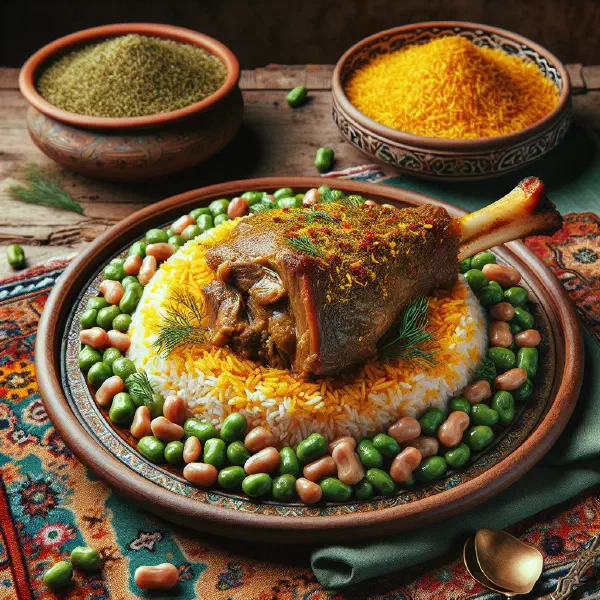
Zereshk Polo is easily made vegan by replacing the butter or ghee with a plant-based fat such as oil or vegan margarine. On its own the rice is already vegetarian and pairs beautifully with a herby Sabzi Polo Ba Mahi or a hearty bean stew. Reach for fresh, good-quality ingredients to keep the flavour bright and authentic.
More tips and tricks
Use a non-stick pan to achieve the perfect golden crust of rice, the prized tahdig, without any risk of it burning. Low, patient heat is what gives the base its crisp, deep-gold finish, so resist the urge to rush. If you love that crust, master the Tahdig technique and it will serve you across many Persian rice dishes.
Adapting the recipe to your taste
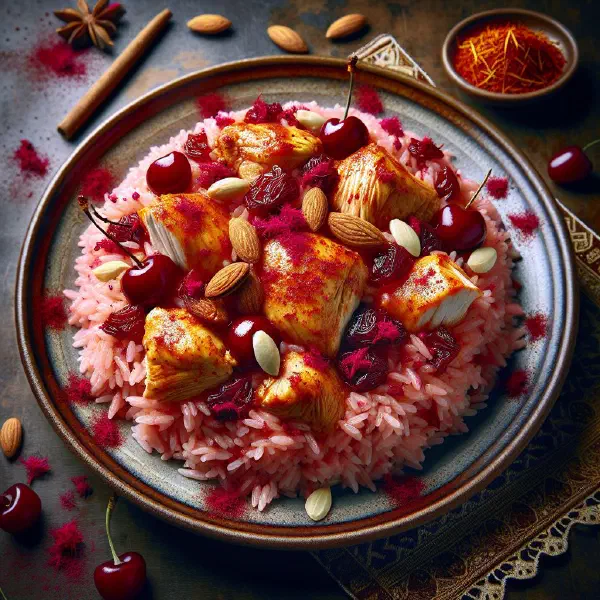
You can adjust the amount of sugar or replace it with honey to change the sweetness of the barberries. The rice also works wonderfully alongside chicken, lamb, or a plant-based protein for a fully vegetarian meal. Chicken-topped versions are especially popular at Iranian celebrations, much like the layered Adas Polo served on similar occasions.
Ingredient substitutions
If barberries are hard to find, you can use dried cranberries instead. Do bear in mind, though, that this will alter the flavour of the dish slightly, as cranberries are a touch sweeter and less sharp than zereshk. A squeeze of lemon can help restore some of that signature tartness.
Drink pairing ideas
A traditional Persian doogh (a savoury yoghurt drink with mint) or a classic Persian tea pairs beautifully with Zereshk Polo and rounds off the meal perfectly. Both cut cleanly through the richness of the buttery, saffron-scented rice and refresh the palate between mouthfuls.
Serving and presentation ideas
Serve the Zereshk Polo on a flat platter and scatter chopped pistachios over the rice for an elegant look and extra crunch. The contrast of ruby barberries, green pistachios and golden saffron rice makes for a truly eye-catching centrepiece, ideal for sharing at a generous spread of Iranian cuisine.
A bit of history
The use of barberries in Persian cooking stretches back centuries and forms part of the rich culinary tradition of Iran. Zereshk Polo is often served at special occasions and celebrations, from weddings to Nowruz feasts, where its jewelled appearance signals abundance and joy. It sits proudly alongside such national treasures as Fesenjan, the walnut and pomegranate stew.
More recipe ideas
Summary: Zereshk Polo
Zereshk Polo is a unique and delicious dish from Persian cuisine. With its perfect balance of sweetness and tartness, its glowing colour and its fragrant saffron aroma, it offers a memorable taste experience. This Persian classic is sure to win you over. Give it a try and let the flavours of Iran inspire you.