National Dish Iraq: Tepsi Baytinijan (Recipe)

In this article
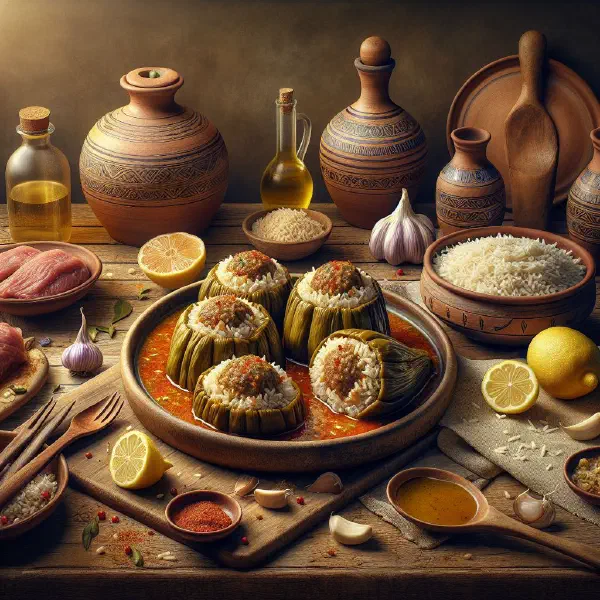
Meet Tepsi Baytinijan, the deeply comforting national dish of Iraq. This baked casserole layers tender aubergine with well-seasoned minced meat, ripe tomatoes and a warming blend of spices until everything turns golden in the oven. Traditionally served at family gatherings and special occasions, it nourishes body and soul in equal measure, and it is far easier to make at home than its rich, layered appearance suggests.
About Tepsi Baytinijan
Tepsi Baytinijan is a traditional Iraqi dish that is cherished both at home and among Iraqi communities abroad. It is a wonderful baked casserole that brings together aubergine, minced meat and a whole chorus of aromatic spices in perfect harmony. The dish is often served at special occasions and family celebrations, as it does more than fill the plate. It carries a real sense of togetherness and home. Best of all, the preparation is straightforward, so anyone can enjoy this culinary highlight in their own kitchen.
Ingredients (serves 1–2)
- 2 medium aubergines
- 250 g minced meat (beef or lamb)
- 1 onion
- 2 cloves of garlic
- 2 tomatoes
- 1 tsp paprika
- 1 tsp cumin
- Salt and pepper, to taste
- 3 tbsp olive oil
- Fresh parsley, to garnish
Shopping for the ingredients
When shopping for the ingredients for tepsi baytinijan, it is well worth choosing fresh, good-quality produce. Look for aubergines that are firm and glossy with an even colour. The minced meat should be fresh and smell clean, while the onions and garlic cloves should be free of brown patches or blemishes. Ripe, juicy tomatoes will round the dish out and lend it a deeper, more intense flavour.
Preparing the dish
To prepare tepsi baytinijan, start with the groundwork of getting your ingredients ready. Slice the aubergines and salt them so they release their moisture and lose some of their bitterness. While the aubergines rest, brown the minced meat in a pan with finely chopped onion and garlic. Then stir in the spices to build the aromatic base that gives the dish its wonderfully delicate flavour.
Step-by-step instructions
- Rinse the aubergines and pat them dry.
- Arrange a layer of aubergine slices across the base of an ovenproof dish.
- Spread the prepared minced meat mixture evenly over the top.
- Add another layer of aubergine and cover with slices of tomato.
- Scatter the remaining spices over the upper layers.
- Drizzle with olive oil and bake in a preheated oven at 180°C until golden.
- After about 45 minutes, take it out of the oven and garnish before serving.
Gluten-free / lactose-free version
Tepsi baytinijan is naturally gluten-free and lactose-free, as it contains no gluten-based ingredients and no dairy. That makes it a fine choice for anyone with an intolerance or allergy. Do check, though, that the spices and oils you use are also free from gluten and lactose. The method stays exactly the same, so every diner can enjoy these delicious flavours without a second thought.
Tips for vegans and vegetarians
For anyone following a vegan or vegetarian diet, tepsi baytinijan is easy to adapt. Instead of minced meat, use a mixture of lentils or chickpeas to achieve the same hearty texture. You can also work in vegetables such as courgette or peppers to add even more variety and nutrition. Keep the spices the same to preserve the original character of the dish.
More tips and tricks
The preparation of tepsi baytinijan can be improved with a few handy tips and tricks. After salting, let the aubergines rest for at least 30 minutes so they lose their excess water, which gives a better flavour. Reach for a good-quality olive oil for the most aromatic result. If you like, you can also scatter cheese over the dish before it goes into the oven for a rich, creamy finish.
Adapting the recipe to your taste
The recipe for tepsi baytinijan is highly adaptable, so you can adjust it to suit your own preferences. Fancy it spicier? Add a little chilli or cayenne pepper. Prefer it milder? Simply leave out the hotter spices. Experiment with different vegetables or seasonings to find your personal favourite. Every tweak gives the dish its own signature and keeps things interesting, much as it does across the wider variety of Iraqi cuisine.
Ingredient substitutions
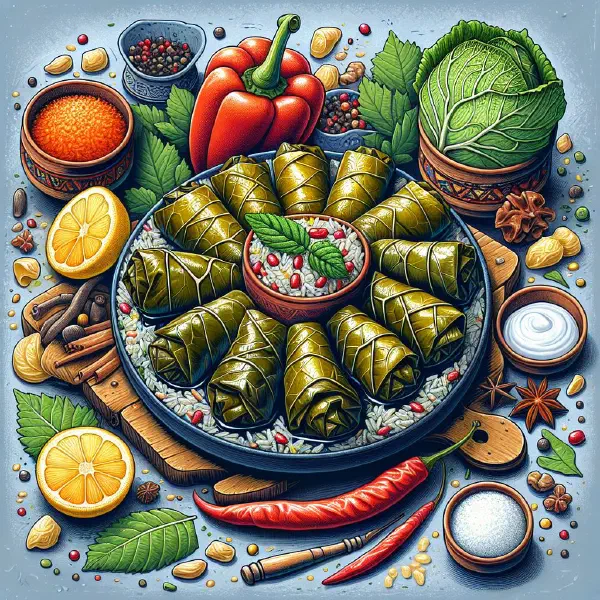
If you are looking for alternatives to certain ingredients, there are plenty of creative options. When fresh aubergines are hard to come by, courgette or peeled sweet potato make good stand-ins. For the minced meat, vegan alternatives such as soy or tempeh mince work well. This lets you make the meal lighter and explore different flavours while keeping the heart of the recipe intact, the same generous, spiced spirit you will find in a plate of Dolma.
Drink pairing ideas
To round off the experience of tepsi baytinijan, a range of drinks works beautifully. A refreshing yoghurt or mint drink pairs superbly with the dish’s hearty flavours. If you prefer something alcohol-free, a lively pomegranate or lemon juice is ideal. For wine lovers, light red wines complement the spices in the dish wonderfully.
Serving and presentation ideas
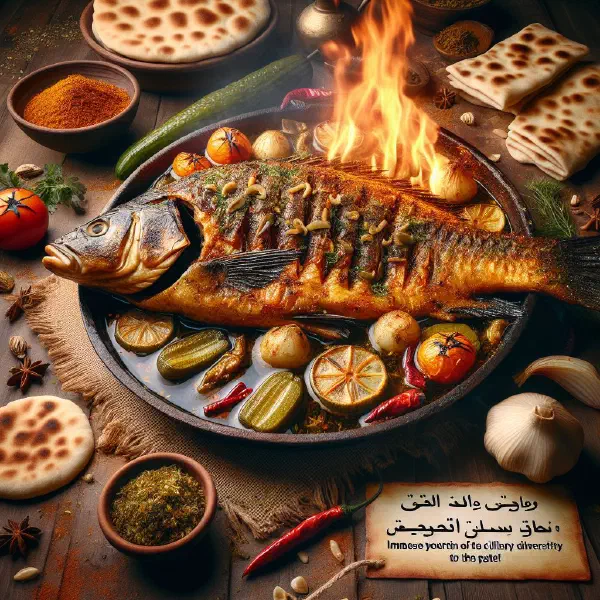
The presentation of tepsi baytinijan can lift the whole meal. Serving the casserole in its baking dish straight to the table encourages a warm, convivial atmosphere. Garnish each portion with fresh parsley or mint to add a bright splash of colour. A final drizzle of lemon juice brightens the aromas and makes the dish all the more inviting, a fine centrepiece to share alongside a spread of Masgouf.
A bit of history
Tepsi baytinijan has a long tradition in Iraqi cooking and reflects the diversity and richness of the region’s flavours. The dish traces its origins to Mesopotamia, a region often called the cradle of civilisation. The pairing of aubergine and minced meat is widely seen as a tribute to the simple yet delicious home cooking passed down from one generation to the next. That is what makes tepsi baytinijan not merely a dish, but a piece of culture and history.
More recipe ideas
Summary: Tepsi Baytinijan
Tepsi baytinijan is a truly captivating Iraqi dish that wins over the hearts and palates of many. The combination of aubergine, minced meat and a selection of aromatic spices creates a harmonious symphony of flavour. Whether at festive occasions or as a cosy family meal, this dish brings joy and togetherness to the table. Let the delicious aromas and the tradition of this Iraqi speciality tempt you, and bring a little piece of culture into your own home.