National Dish Israel: Challah (Recipe)
In this article
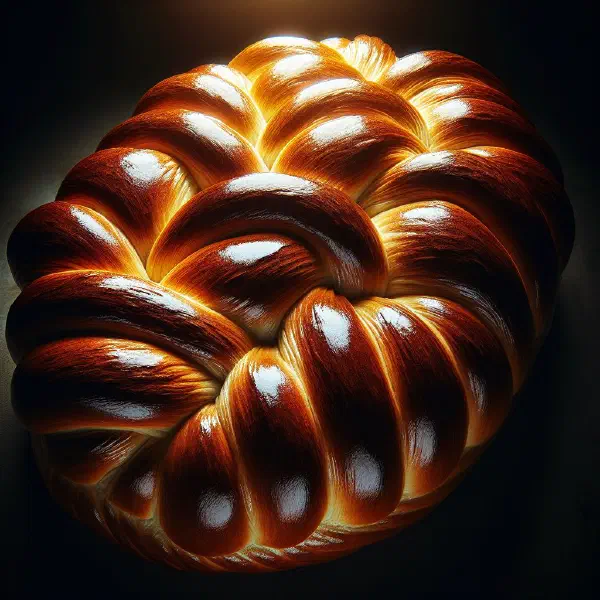
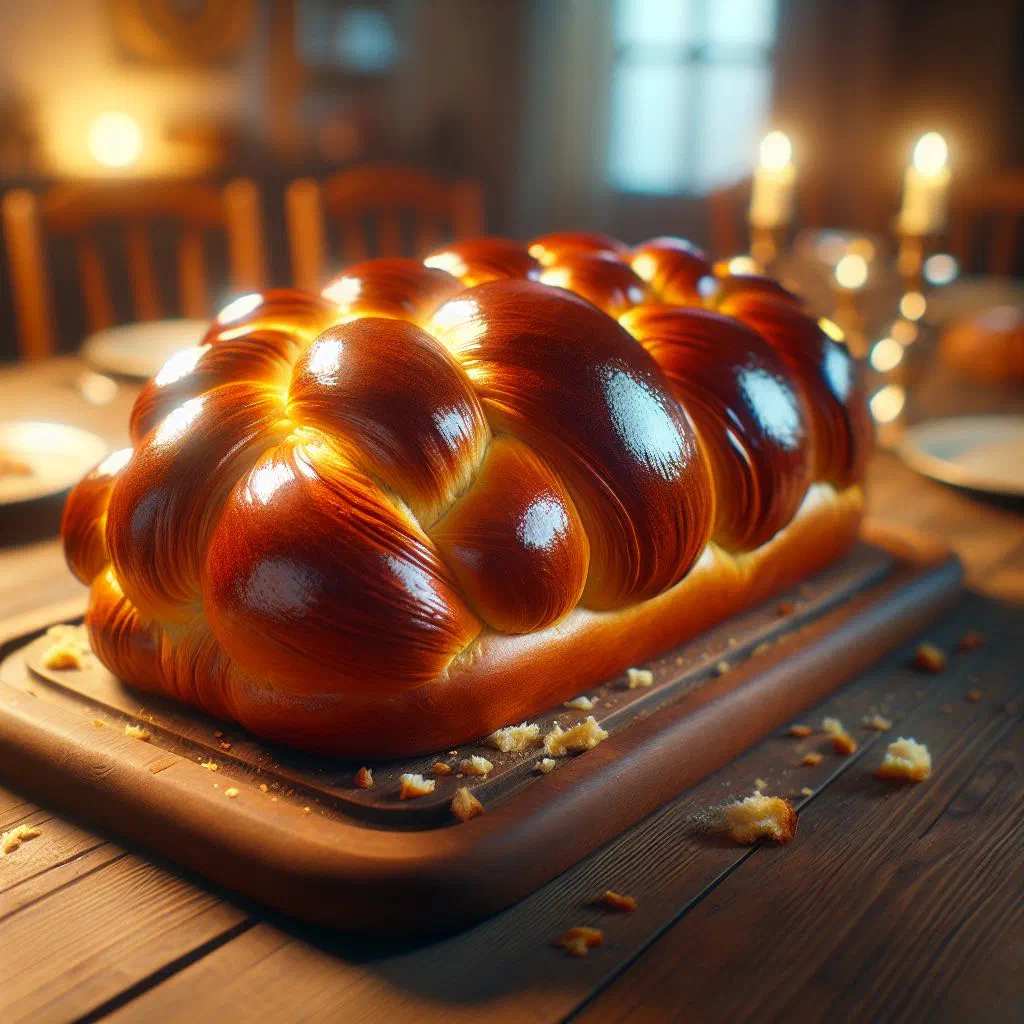
Meet Challah, the glossy, golden braided loaf at the heart of Jewish festive tables. Lightly sweetened and beautifully plaited, it is a bread that feeds the eyes as much as the appetite. Traditionally baked for the Sabbath and other celebrations, its plaited form is a gentle symbol of togetherness. Soft on the inside, burnished on top, it is far easier to make at home than its striking looks suggest.
About Challah
Challah has its roots in Jewish tradition and is often served for the Sabbath and other festive occasions. The braided shape of the loaf symbolises unity and community, drawing families and friends together around the table. It is traditionally sweetened with honey or sugar, which gives the bread a distinctive depth of flavour. More than just a treat for the palate, Challah is a feast for the senses and a bread rich in meaning.
Ingredients (serves 1–2)
- 500 g flour
- 200 ml warm water
- 50 g sugar
- 10 g salt
- 7 g dried yeast
- 2 eggs
- 30 ml oil
- 1 egg (for glazing)
Shopping for the ingredients
Most of the ingredients for Challah are easy to find in a well-stocked supermarket or bakery. Take care to choose good-quality flour, as this has a decisive effect on the texture of the finished loaf. Dried yeast is a popular choice, though fresh yeast works just as well. If you are looking for alternatives, there are also special organic and gluten-free flours widely available.
Preparing the dish
Before you begin making Challah, it is worth gathering all your ingredients together. This keeps the whole process running smoothly and stress-free. A large bowl is handy for mixing and kneading the dough, giving you plenty of room to work. Remember to clean your work surface thoroughly too, so you have a hygienic space to bake in.
Step-by-step instructions
- In a large bowl, combine the flour, sugar and salt.
- Dissolve the dried yeast in the warm water and add it to the dry ingredients.
- Add the eggs and the oil, then knead everything well until you have a smooth dough.
- Leave the dough to rise in a warm place for about 1 hour, until doubled in size.
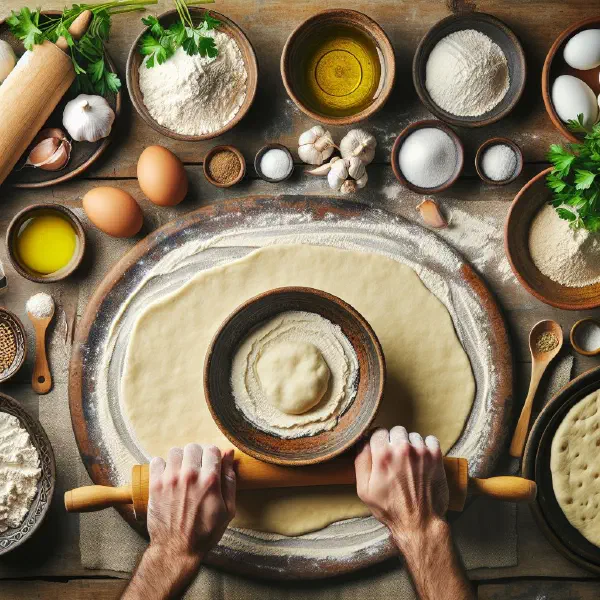
- Turn the dough out onto a floured surface, knead again and divide into three equal pieces.
- Roll each piece into a long strand and plait them together into a braid.
- Place the braided loaf on a baking tray, cover with a cloth and leave to rise for a further 30 minutes.
- Preheat the oven to 180 °C and brush the loaf with the beaten egg.
- Bake the Challah for about 30–35 minutes, until golden brown.
- Leave to cool completely before serving.
Gluten-free / lactose-free version
For a gluten-free version of Challah, use gluten-free flour together with a little xanthan gum. Take care to weigh and mix the ingredients well so the dough reaches the right consistency. Lactose-free products can simply be swapped in place of the usual eggs and milk in the recipe. This means people with a lactose intolerance can enjoy this delicious bread too.
Tips for vegans and vegetarians
For a vegan version of Challah, the eggs can simply be left out or replaced with apple purée or a flax egg. Just mix one tablespoon of ground flaxseed with three tablespoons of water and leave to stand for 5 minutes to reach an egg-like consistency. Alternatives like these hold up well in both texture and flavour, making the bread accessible to everyone. Experiment with different flavours to find your perfect vegan loaf.
More tips and tricks
One important tip for making Challah is to use fresh ingredients, especially the yeast. Take care not to make the water too hot, as this can kill the yeast and stop the dough rising. A longer proving time can also help make your bread softer and more flavourful. Brushing the dough with a little oil before it rises helps stop it drying out.
Adapting the recipe to your taste
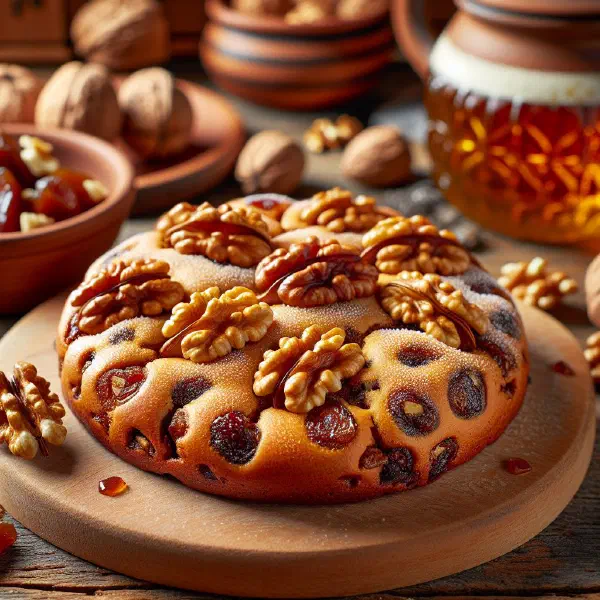
The Challah recipe is easy to adapt to personal preference. Add nuts, dried fruit or spices such as cinnamon, for example, to give the loaf a special twist. The level of sweetness can be varied too, depending on how sweet you like your Challah. Try out different variations to create your own signature version, much like you would with a batch of Rugelach.
Ingredient substitutions
Instead of ordinary wheat flour, you could use spelt or rye flour to give the bread a different character. For the enriching liquid, various plant-based milks can be used in place of dairy. When it comes to sweetness, honey, agave syrup or other natural sweeteners all work well, the same date syrup magic you’ll find in Silan Date Syrup. Swaps like these keep the recipe varied and open the door to new flavours.
Drink pairing ideas
Challah pairs beautifully with a range of drinks. A good red wine harmonises wonderfully with the gently sweet bread. Alternatively, serve a fresh herbal tea or simply water with lemon to bring out the aromas. Experiment with different combinations to find your ideal accompaniment.
Serving and presentation ideas
The presentation of your Challah can be just as important as the flavour. Serve the loaf on a handsome wooden board and garnish with fresh herbs or fruit. Offering it in a basket makes for a charming, rustic display that suits a festive spread. Remember to serve the Challah warm for the very best flavour.
A bit of history
Challah is not only a familiar bread within the Jewish faith but one carrying a rich symbolic history. At the customary Sabbath and festive holidays, Challah forms part of the ritual ceremonies. The plaiting technique symbolises the bond of community, which is why family and friends often come together to make the bread. In this way Challah is a symbol of togetherness and connection, passed down through the generations of Israeli cuisine.
More recipe ideas
Summary: Challah
Challah is a wonderful bread that brings history and tradition together in a single loaf. With its distinctive flavour and eye-catching appearance, it is the perfect bake for festive occasions. Making it is straightforward and opens the door to endless adaptations to suit individual tastes. Challah brings joy and togetherness to the table.