National Dish Israel: Chocolate Rugelach (Recipe)

In this article
Meet Chocolate Rugelach, a beloved little pastry from the Israeli and Jewish table with deep roots in Eastern Europe. These crescent-shaped bites wrap a tender, buttery dough around a melting filling of dark chocolate, walnuts and warm cinnamon. Equally at home as the sweet finish to a dinner or as an afternoon treat alongside a good cup of coffee, they are always a crowd-pleaser. Bring a taste of this cherished baking tradition straight into your own kitchen.
About Chocolate Rugelach
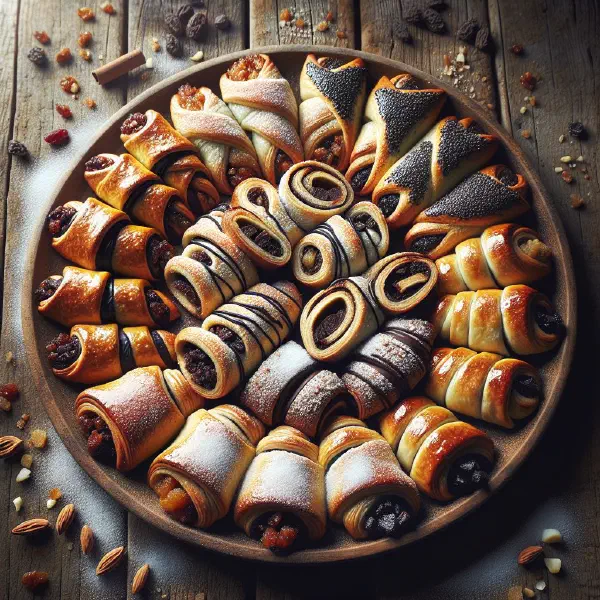
Rugelach are a traditional pastry from Israeli and Jewish cooking, with origins in Eastern Europe. These good little parcels are filled with all manner of sweet mixtures and rolled up into neat crescents before baking. Prized for their fluffy dough and their gently melting fillings, they suit just about any occasion. Rugelach never fail to please.
Ingredients (serves 1–2)
- 250 g quark
- 150 g butter, softened
- 300 g plain flour
- 100 g sugar
- 100 g dark chocolate, finely chopped
- 50 g walnuts, roughly chopped
- 1 tsp cinnamon
- 1 pinch of salt
- 1 egg yolk
Shopping for the ingredients
Before you start making rugelach, it is worth sourcing the two key ingredients well: a good-quality quark and fresh butter. Together they give the dough its wonderfully buttery, tender crumb. The choice of chocolate matters too, so reach for a good dark chocolate for the fullest flavour. Don’t forget the nuts and spices either, as they really intensify the aroma of the finished pastries.
Preparing the dish
Getting rugelach ready is straightforward, though it does call for a little patience. Start by measuring out all the ingredients and setting them within easy reach. This keeps the process smooth and means nothing is forgotten. The dough needs to rest in the fridge for at least an hour so the flavours can develop and the texture firms up. Use that time to prepare the filling and lay out any utensils you will need.
Step-by-step instructions
- In a bowl, combine the quark, softened butter, flour, sugar and salt until you have a smooth, even dough.
- Wrap the dough in cling film and chill it in the fridge for at least one hour.
- Preheat the oven to 180°C and line a baking tray with baking parchment.
- Once rested, roll the dough out on a floured surface and cut it into triangles.
- In a small bowl, mix the chopped chocolate, walnuts and cinnamon, then spoon a little filling onto each triangle.
- Roll each triangle up from the wide end and place them on the baking tray.
- Brush the rugelach with egg yolk and bake for 20–25 minutes until golden brown.
- Let them cool on a wire rack before serving.
Gluten-free / lactose-free version
For a gluten-free take on rugelach, simply use a gluten-free flour. Choose a blend developed specifically for baking to get the best possible texture. For a lactose-free version, swap in lactose-free butter or a plant-based margarine. A plant-based cream or quark alternative also works nicely and delivers the same creamy character. These small changes make the recipe suitable for many kinds of diet.
Tips for vegans and vegetarians
Vegans can make rugelach by replacing the butter with a plant-based fat and either leaving out the egg yolk or using an alternative such as a flax egg. Sugar is usually vegan, though it is worth choosing an unrefined variety, which tends to be less processed. You can also experiment with different plant-based fillings, think almonds, peanut butter or apple, for a distinctive twist. This approach keeps everything in line with a vegan lifestyle.
More tips and tricks
One crucial tip for getting rugelach just right is the temperature of the dough. It should stay lightly chilled while you roll it out so it doesn’t spring back or tear. Use a sharp knife to cut clean, even triangles. When spreading the filling, take care not to overload the dough, as too much can cause it to burst during baking. A little patience while baking and cooling also goes a long way towards the best results.
Adapting the recipe to your taste
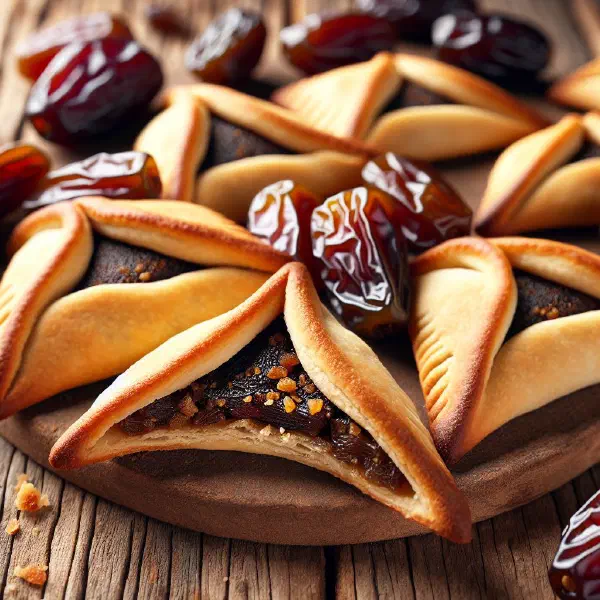
The great thing about rugelach is just how adaptable they are. Vary the fillings however you fancy, using different nuts, dried fruit or types of chocolate. For a fruity note you might fold in dried apricots or apple. If you need to work around particular allergies, tweak the ingredients slightly to create your own special rugelach that suit every palate. Much like a batch of Hamantaschen, they invite endless personalisation.
Ingredient substitutions
There are plenty of alternatives for the ingredients in rugelach. If walnuts aren’t to your liking, try pecans or hazelnuts instead. The chocolate can vary too, according to taste or dietary needs. You might use cocoa powder or sweetened chocolate chips. Likewise the sugar can be replaced with options such as maple syrup or agave nectar for a slightly lighter choice.
Drink pairing ideas
For a perfect tasting experience, pair rugelach with a range of drinks. A classic coffee or a robust tea sits beautifully alongside these sweet little bites. Milk, or a plant-based milk alternative, is another ideal partner that rounds out their sweetness. For more convivial occasions, offer a lightly sweet dessert wine to underline the flavour and create a refreshing balance.
Serving and presentation ideas
Presentation can lift the whole rugelach experience considerably. Arrange the little pastries on a lovely serving platter or a rustic wooden board for an inviting look. Add fresh fruit or edible flowers for a splash of colour.
A bit of history
Rugelach have a long and fascinating history closely bound up with Jewish culture. The pastry originated in Eastern European cooking and was traditionally served at festivals and special occasions. The name “rugelach” comes from Yiddish and means “little horns”, a nod to the crescent shape of the parcels. Over the years it has travelled from its Eastern European roots to become a much-loved treat around the world, and today it is a firm fixture of Israeli cuisine.
More recipe ideas
Summary: Chocolate Rugelach
Rugelach are a delicious and versatile sweet treat that taste wonderful and gladden the heart. With their tender dough and endlessly varied fillings, they make a perfect addition to any celebration. Whether traditional or given a modern twist, they bring the rich culture of Israel into your kitchen and promise memorable flavours. Let them inspire you and enjoy the sweet temptation that rugelach have to offer.