National Dish Israel: Falafel (Recipe)
In this article
Falafel must be made from soaked dried chickpeas, never cooked or tinned ones. Tinned chickpeas contain too much water and the balls disintegrate in the oil. This single point causes more failed falafel than everything else combined.
About Falafel
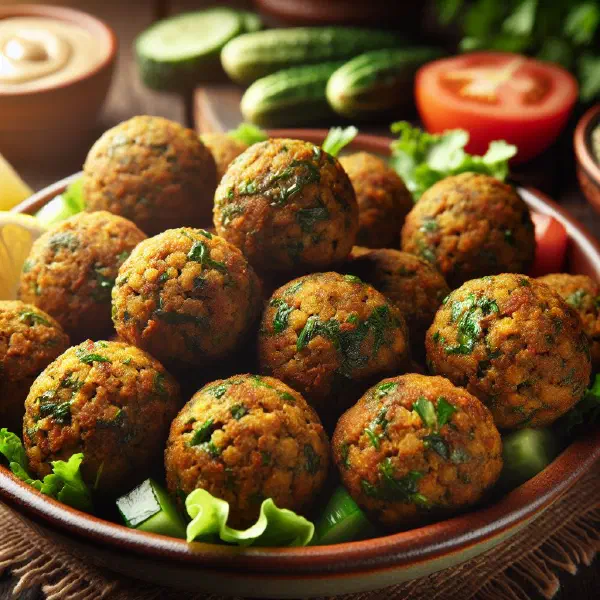
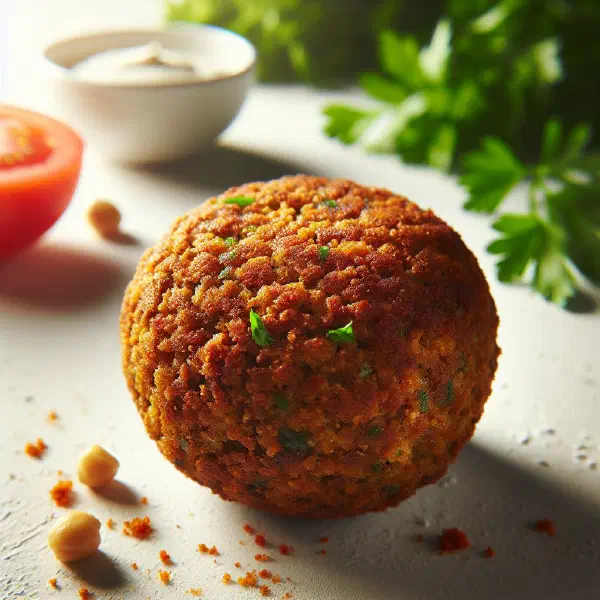
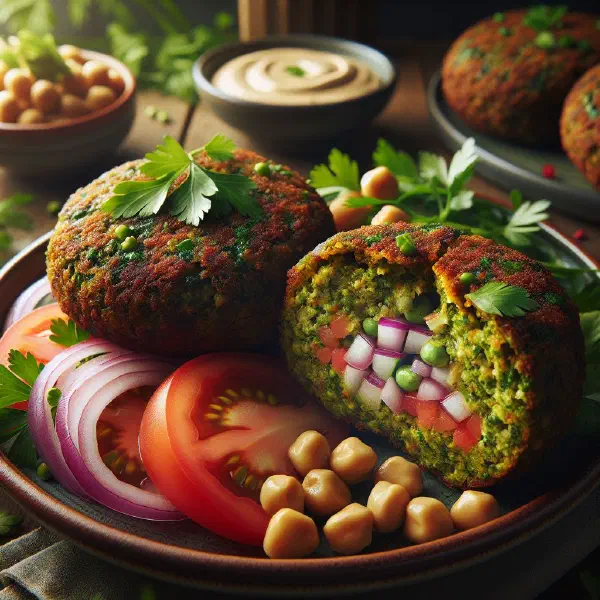
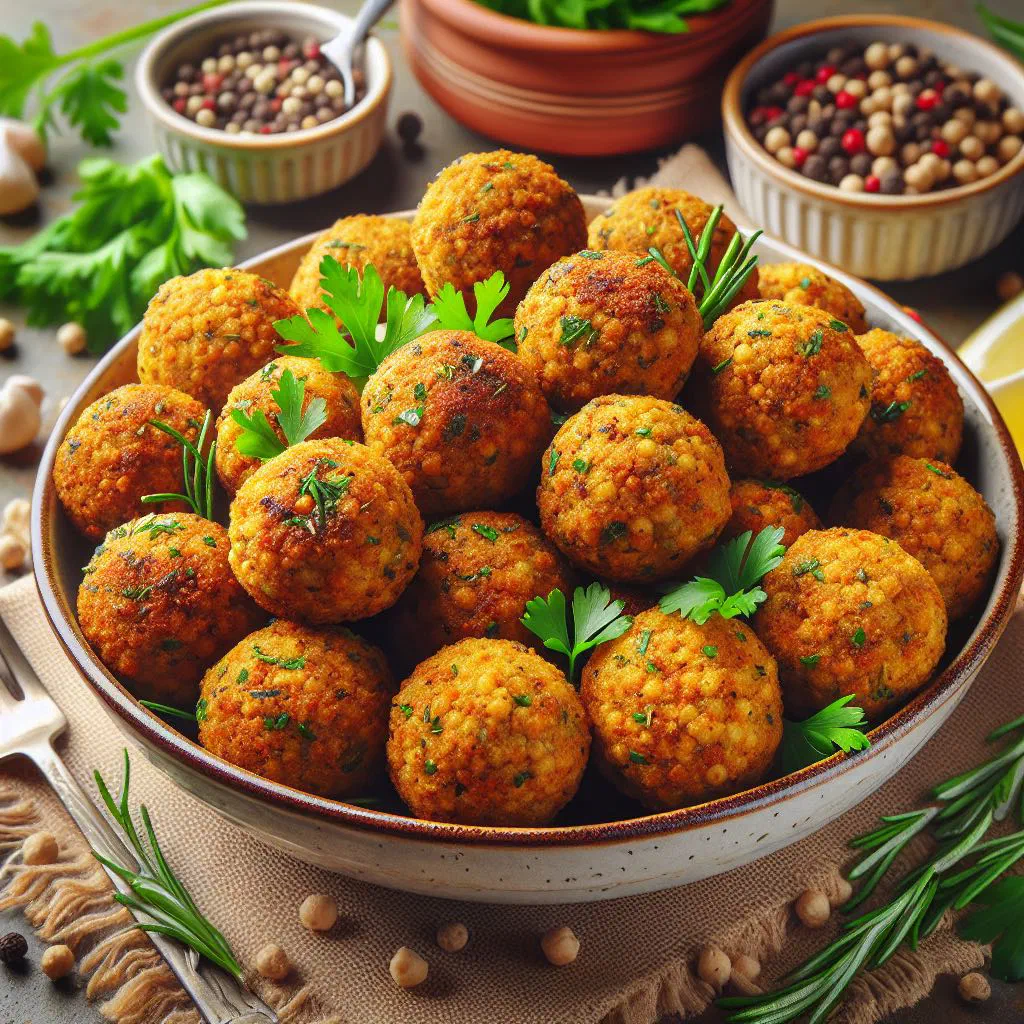
Falafel is chickpeas soaked overnight, ground raw with herbs and spices, shaped and deep-fried. The interior should be green from the parsley and coriander, and the outside should shatter.
Its national attribution is contested: falafel is eaten across the Levant and Egypt, where it is made with fava beans and is probably older. Calling it Israel’s national dish is a claim that Palestinians, Lebanese and Egyptians all dispute, with reason.
Ingredients (serves 1–2)
- 200g dried chickpeas
- 1 small onion
- 2 garlic cloves
- 1 bunch parsley or coriander
- 1 tsp cumin
- 1 tsp ground coriander
- 1 tsp salt
- 1/2 tsp baking powder
- Oil for deep-frying
Shopping for the ingredients
Dried chickpeas, soaked for at least 12 hours and not cooked. Buy a whole bunch of parsley and use all of it; falafel should be visibly green inside. Sesame seeds for the outside are optional but traditional in some places.
Preparing the dish
Soak the chickpeas overnight in plenty of cold water, then drain them thoroughly and pat dry. Grind everything to a coarse, sandy texture rather than a smooth paste; a food processor pulsed rather than run continuously gives the right result. Chill the mixture for an hour before shaping.
Step-by-step instructions
- Put the drained chickpeas, the finely chopped onion, the garlic cloves and the chopped parsley into a food processor.
- Add the cumin, ground coriander and salt, then blitz everything until you have a coarse mixture.
- Chill the mixture for an hour, then stir the baking powder in and shape it into small balls.
- Heat the oil to 175°C and deep-fry the falafel balls until they are golden brown and crisp.
- Lift the falafel out and let them drain on kitchen paper.
Gluten-free / lactose-free version
Falafel itself contains no gluten and no dairy. The pita is wheat, so use a gluten-free flatbread or serve it as a plate with salad and tahini instead.
Tips for vegans and vegetarians
Falafel is vegan as written and always has been. Chickpeas, herbs, spices, oil. With tahini, salad and pita it is a complete meal, which is why it became street food across the region.
More tips and tricks
Never use tinned chickpeas. Add the baking powder at the last moment, not to the stored mixture. Chill the mixture before shaping so it holds. And fry at 175°C: hotter and the outside burns before the inside cooks, cooler and they absorb oil.
Adapting the recipe to your taste
Fava beans in place of some or all of the chickpeas make the Egyptian ta’ameya, which is arguably better. A pinch of cardamom is used in some Levantine versions. Rolling the shaped balls in sesame before frying gives a good crust.
Ingredient substitutions
Split fava beans, soaked the same way, work. Coriander and parsley are interchangeable, or use both. Bicarbonate of soda can replace baking powder in a smaller quantity.
Drink pairing ideas
Mint lemonade is the standard across the region. Ayran or a salted yoghurt drink suits it. Strong coffee afterwards.
Serving and presentation ideas
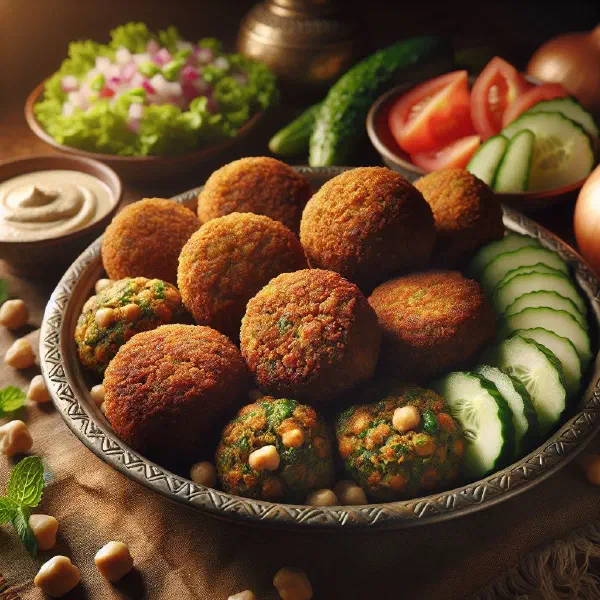
Stuff a pita with falafel, Israeli salad, pickles, hummus and tahini, with chilli sauce if you want it. Or serve it as a plate with all the same things arranged separately. It must be eaten within minutes of frying.
A bit of history
Falafel’s origins are usually placed in Egypt, where Coptic Christians ate fava bean fritters during fasting, and it spread north through the Levant. Its adoption as an Israeli national symbol in the twentieth century, and the disputes that followed, are a small illustration of a much larger argument. It sits within Israeli cuisine alongside sabich and shakshuka, both also regional imports.
More recipe ideas
Summary: Falafel
Falafel is soaked raw chickpeas ground with herbs and spices, then deep-fried. Never use tinned chickpeas, chill the mixture before shaping, and fry at 175°C.