National Dish Israel: Fattoush with Sumac (Recipe)
In this article
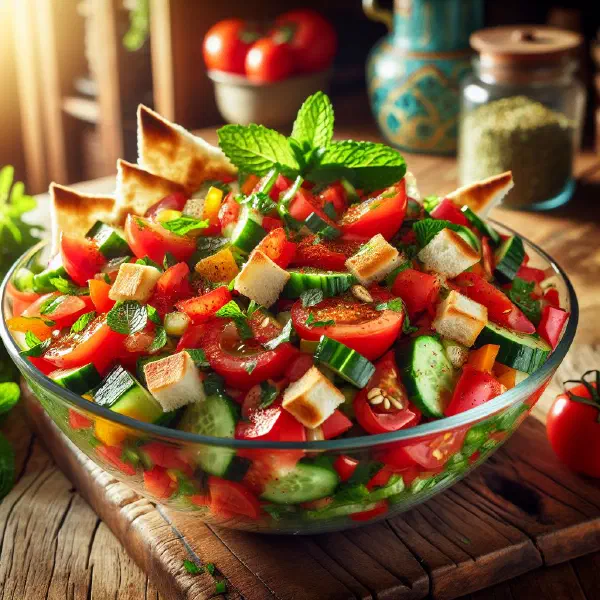
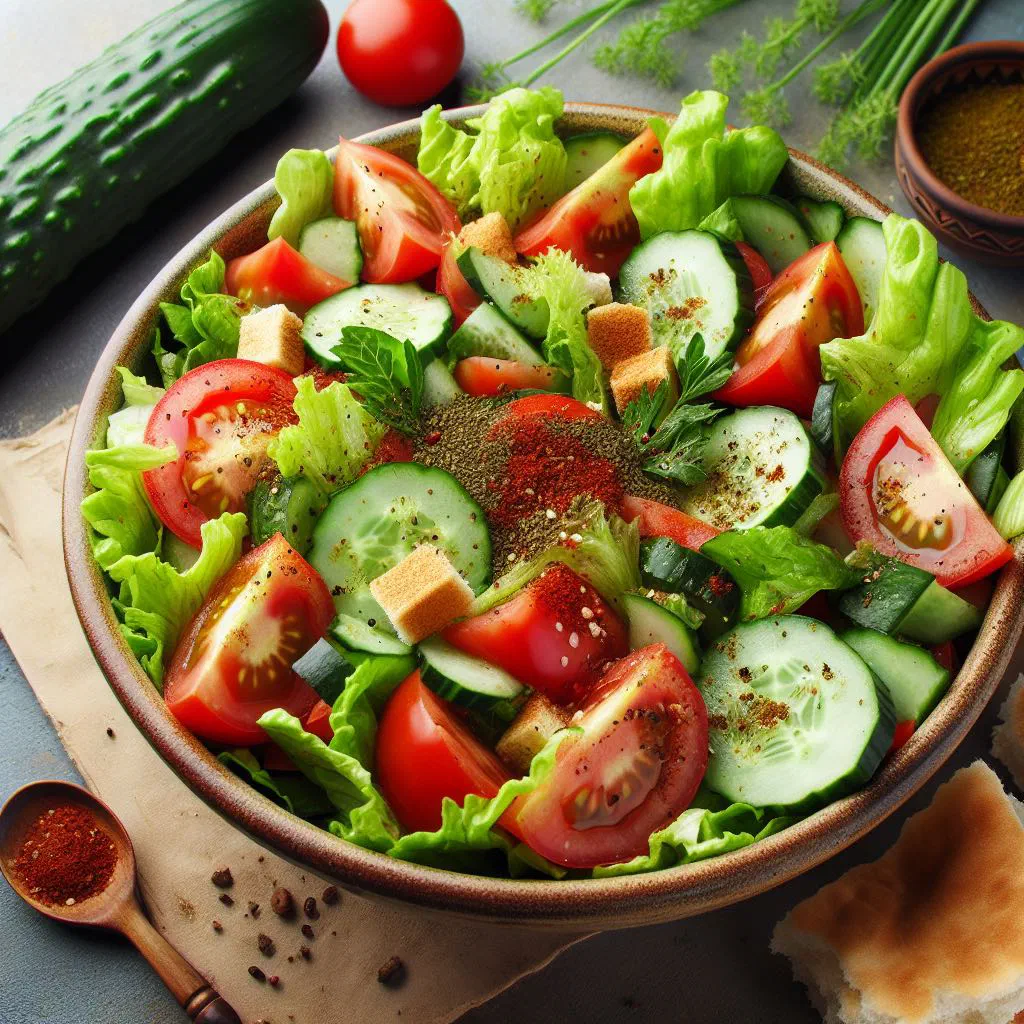
Meet Fattoush, the bright Middle Eastern salad that turns crisp vegetables and shards of toasted flatbread into something genuinely special. Beloved across Israel and the wider Levant, it is finished with the tangy, ruby-red crunch of sumac for a flavour that is both refreshing and deeply aromatic. With its mix of textures and its bright, lemony dressing, this is the kind of dish that feels tailor-made for sunny days and shared tables.
About Fattoush with Sumac
Fattoush is a traditional salad that is hugely popular throughout the cuisine of the Middle East, especially in Israel and Lebanon. It is defined by its colourful medley of fresh vegetables, complemented by crisp pieces of bread and the unmistakable aroma of sumac. This salad is a feast for the eyes and offers a refreshing taste that suits warm climates perfectly. The interplay of different textures and flavours makes fattoush a genuinely memorable experience on the plate.
Ingredients (serves 1–2)
- 2 cups mixed vegetables (such as cucumber, tomato and pepper)
- 1 cup rocket or green salad leaves
- 1/2 cup radishes, sliced
- 1/2 cup soft cheese or feta (optional)
- 1 cup flatbread, torn into pieces
- 2 tablespoons olive oil
- 2–3 tablespoons lemon juice
- 1 teaspoon sumac
- Salt and pepper to taste
Shopping for the ingredients
When shopping for the ingredients for fattoush, it is important to choose fresh, good-quality produce. Visit your local farmers’ market or a Middle Eastern grocery to get the freshest vegetables and herbs. In particular, the flatbread should be fresh so it toasts to the crispness you want. Don’t forget to pick up a good olive oil and fresh lemons too, which make the salad all the more aromatic.
Preparing the dish
Preparing fattoush is straightforward, but a little care helps the flavours shine at their best. Start by washing the vegetables thoroughly and cutting them into bite-sized pieces. The flatbread can be either toasted in the oven or crisped up in a pan to achieve that all-important crunch. While the bread pieces cool, prepare the dressing from olive oil, lemon juice, sumac, salt and pepper.
Step-by-step instructions
- Wash and chop the vegetables into small pieces.
- Toast the flatbread until crisp, then set aside to cool.
- Combine the vegetables and rocket in a large bowl.
- Add the bread pieces and toss everything together well.
- In a separate bowl, whisk together the dressing of olive oil, lemon juice, sumac, salt and pepper.
- Pour the dressing over the salad and mix thoroughly.
- Serve the salad fresh, ideally straight after assembling.
Gluten-free / lactose-free version
For a gluten-free and lactose-free version of fattoush, you can swap the flatbread for gluten-free bread or another crisp grain-based product. You can also replace the soft cheese or feta with a plant-based alternative such as tofu or a vegan cheese. The flavour of fattoush stays present and delicious even in its adapted form.
Tips for vegans and vegetarians
Fattoush is already a very vegan-friendly dish, since it is built on fresh vegetables and herbs. To make it even more varied for vegetarians, you could add extra sources of protein such as chickpeas or quinoa. Vegans can also stir in other plant-based ingredients, grilled vegetables or nuts, for instance, which lend the salad more texture and flavour. These additions make the dish more nourishing and all the more satisfying.
More tips and tricks
When making fattoush, it helps to keep the ingredients fresh and crisp for the best flavour. It is wise to add the bread pieces only just before serving so they don’t turn soggy. Another trick is to squeeze the lemons fresh, as this gives the dressing a lively acidity that brings the dish to life. Experiment with the amount of sumac to find the perfect balance between tang and the other aromas.
Adapting the recipe to your taste
The lovely thing about fattoush is how easily it adapts to personal taste. Add more of your favourite vegetables, or leave certain ingredients out depending on what you prefer or have to hand. You can also try different spices to add a signature note of your own. With a little creativity, you can reinvent fattoush again and again to suit your mood.
Ingredient substitutions
If you don’t have access to certain ingredients, there are usually good alternatives. For example, in place of sumac you can use lemon zest to achieve a similar tang. If flatbread isn’t available, pita bread or crackers work just as well, the same warm bread that pairs so nicely with a bowl of Hummus. For the herbs, feel free to experiment with mint or parsley, depending on your preferences and what happens to be in season.
Drink pairing ideas
To round out the enjoyment of fattoush, light and refreshing drinks are the way to go. A cool glass of sparkling water with a squeeze of lemon pairs perfectly with this salad. Alternatively, you could serve a refreshing homemade iced tea or a cup of barley coffee. If you like things a touch sweeter, fruity lemonades are a great choice to underline the flavours of the salad.
Serving and presentation ideas
An attractive presentation can lift the whole dining experience considerably. Serve fattoush on a large, colourful platter and garnish it with fresh herbs or edible flowers. Using a mix of bowls and plates highlights the colours of the vegetables and makes for an inviting spread, much like a mezze table of Baba Ganoush and Tabouleh. A pretty table setting and a neat napkin fold complete the picture and turn every meal into something special.
A bit of history
Fattoush has a history and hails from the Levant, where it has been a fixture of everyday life for centuries. Originally the salad was devised as a way to use up leftover bread and save it from going to waste. The word “fattoush” derives from the Arabic term for “to crush” or “tear”, describing the way the bread is torn into pieces. This salad is not merely a delicious dish but also a piece of the culture and history that reflects the gastronomy of the Israeli cuisine and the wider Middle East.
More recipe ideas
Summary: Fattoush with Sumac
Fattoush is more than just a simple salad; it is an expression of the cultural diversity and gastronomy of the Middle East. With its colourful mix of fresh vegetables, crisp bread and aromatic spices, this dish becomes an experience for both the palate and the eye. Whether as a light main course or as a side, fattoush is a flexible dish that adapts easily to personal preference. Let the flavours and the history inspire you, and enjoy a taste of culture with every bite.