National Dish Israel: Fava Bean Stew (Recipe)
In this article
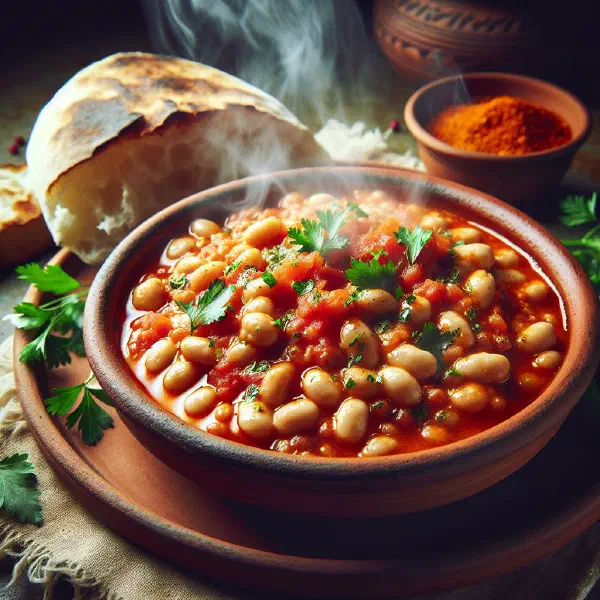
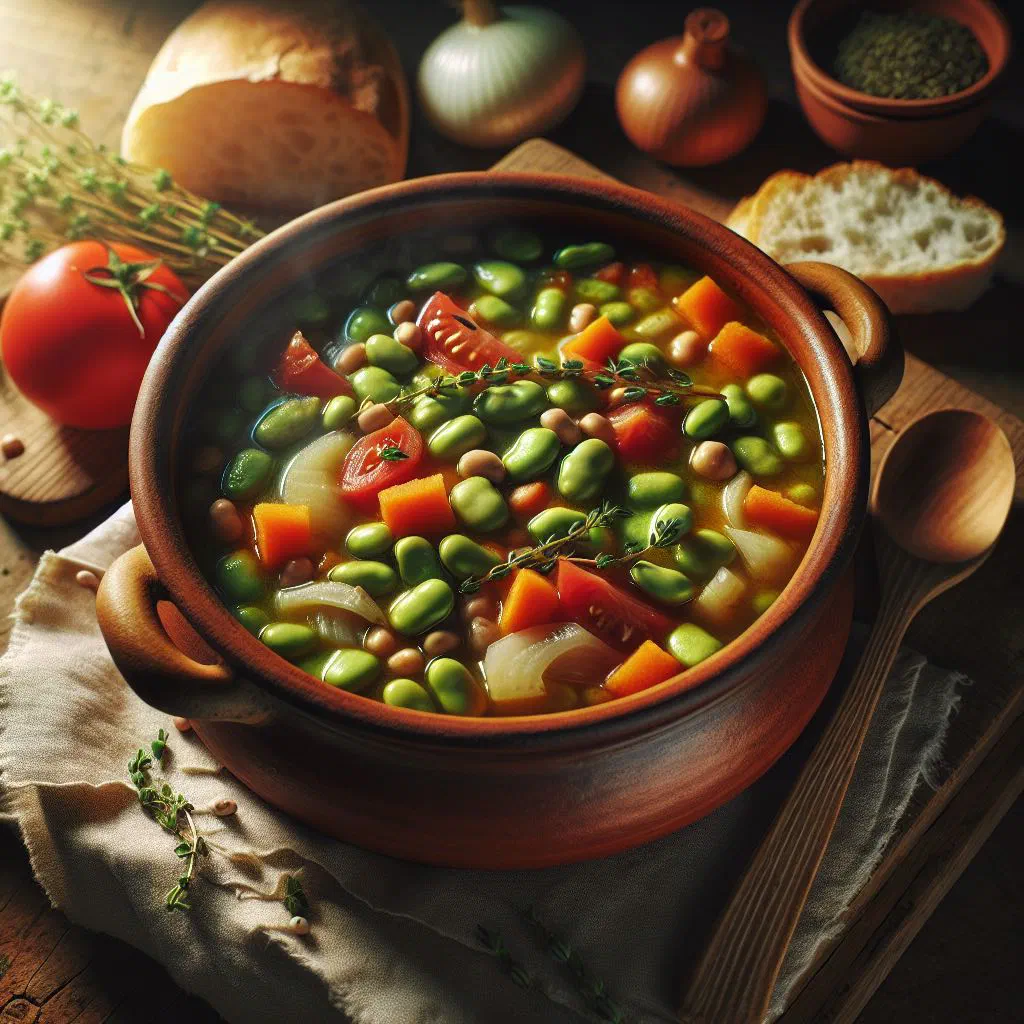
Meet Fava Bean Stew, a comforting gem of the Israeli table that delivers big flavour with very little fuss. Simmered slowly until the beans turn tender and the spices bloom, it is the kind of dish that warms you through on a cool evening. Earthy fava beans, sweet carrot and a gentle hit of cumin and paprika come together in one pot for a wholesome, nourishing meal. Best of all, it is entirely plant-based, so everyone at the table can tuck in.
About Fava Bean Stew
Fava Bean Stew is a true jewel of Israeli cuisine, winning over cooks with both its flavour and its simple preparation. In Israel it is often served during the cooler months, when it brings a welcome sense of warmth and comfort to the table. The base of fava beans provides plenty of nutrients, making it an ideal meal for the whole family. Fragrant spices and the soft, tender texture of the beans please every palate and leave you wanting more.
Ingredients (serves 1–2)
- 200 g dried fava beans
- 1 onion, diced
- 2 cloves of garlic, chopped
- 1 carrot, diced
- 1 teaspoon cumin
- 1 teaspoon paprika
- 2 tablespoons olive oil
- Salt and pepper, to taste
- Fresh herbs, to garnish
Shopping for the ingredients
To make a delicious fava bean stew, it is worth picking up your ingredients at a well-stocked grocery or a weekly market. Choose good-quality dried fava beans, as they are the star of the dish. Fresh vegetables such as onions and carrots add extra flavour and nutrition. Spices like cumin and paprika are usually easy to find in the seasoning aisle and are well worth keeping in your kitchen.
Preparing the dish
Before you start cooking the fava bean stew, it is important to get the beans ready. They should be soaked overnight in water, which shortens the cooking time and makes them easier to digest. At the same time, wash the onions and carrots and cut them into small, even dice so they cook uniformly. Good preparation is the key to a successful dish.
Step-by-step instructions
- Rinse the soaked fava beans thoroughly and tip them into a pot.
- Sauté the vegetables (onion, garlic and carrot) in olive oil until soft.
- Add the sautéed ingredients to the beans in the pot.
- Season with cumin, paprika, salt and pepper, then pour in plenty of water.
- Bring the stew to the boil, then lower the heat and let it simmer gently for about 1 to 1.5 hours.
- Stir occasionally and add more water as needed until the beans are tender.
- Garnish with fresh herbs just before serving.
Gluten-free / lactose-free version
Fava bean stew is naturally free from gluten and lactose, which makes it an excellent option for anyone with those intolerances. Do check, however, that every ingredient you use, especially the spices and oil, is also gluten-free. That gives you the reassurance that the dish is suitable for all your guests. Enjoy the recipe with a clear conscience and without sacrificing any flavour. It pairs beautifully with warm Pita for those who can tolerate wheat.
Tips for vegans and vegetarians
Thanks to its plant-based ingredients, fava bean stew is perfectly suited to vegans and vegetarians. It is made with nothing more than vegetables and pulses, giving you a nourishing, healthy meal. Use fresh, top-quality ingredients to coax out the best flavours. If you fancy, tweak the recipe by adding extra vegetables or different spices, whatever suits your taste. Serve it alongside a bowl of Hummus for a satisfying vegan spread.
More tips and tricks
To make your fava bean stew even tastier, scatter over a few toasted nuts or seeds just before serving. They lend the dish an extra crunch and boost its nutritional value. A squeeze of lemon or a dash of hot sauce works wonders too, adding freshness and a little heat. Vary the spices to match your personal taste, and you will rediscover the dish anew each time you make it.
Adapting the recipe to your taste
Depending on your preferences, you can adapt the fava bean stew exactly as you like. Add other vegetables such as courgette or peppers, for example, to build in extra layers of flavour. A hot chilli can make the dish more exciting still.
Ingredient substitutions
If you do not have fava beans to hand, you can also use other bean varieties such as chickpeas or white beans. These bring their own flavours and textures to the dish. When choosing alternatives, remember to adjust the cooking time accordingly, as it can differ from that of fava beans. You might swap chickpeas in the same way they shine in Falafel, and you can vary the vegetables to make the most of what is in season.
Drink pairing ideas
Fava bean stew goes wonderfully with a range of drinks that support the flavour of the dish. A medium-dry white wine or a refreshing rosé pairs beautifully with the aromas of the stew. If you prefer something non-alcoholic, reach for sparkling water with citrus fruits, which complements the flavours perfectly. A sweet, fragrant fruit tea also makes an excellent alcohol-free choice.
Serving and presentation ideas
Presentation plays an important part in whetting the appetite and heightening the pleasure of a meal. Serve the fava bean stew in pretty, colourful bowls and garnish it with fresh herbs or a small dollop of yoghurt for a lovely contrast. Little sides such as freshly baked flatbread or a crisp salad round the dish off beautifully. Remember to set an inviting table, too, to complete the whole dining experience. Warm Laffa is ideal for scooping up every last spoonful.
A bit of history
Fava bean stew has a long history and is a symbol of Israeli food culture. Fava beans are among the oldest crops known in human history, prized in ancient Egypt and across the Mediterranean. In Israel the stew is a much-loved dish, often served at family gatherings and celebrations to strengthen the sense of community and tradition. The way it marries different spices and herbs reflects the variety and richness of Israeli cuisine.
More recipe ideas
Summary: Fava Bean Stew
Fava bean stew is a hearty, nourishing dish that brings the flavours of Israeli cuisine into your own home. With its simple preparation and adaptable ingredients, it offers a wonderful way to eat well while enjoying a taste of the Middle East. Whether at a family celebration or on a cosy evening in, this dish always makes an impression. Let it inspire you and give it a go, a new favourite could be waiting for you.