National Dish Israel: Freekeh (Recipe)
In this article
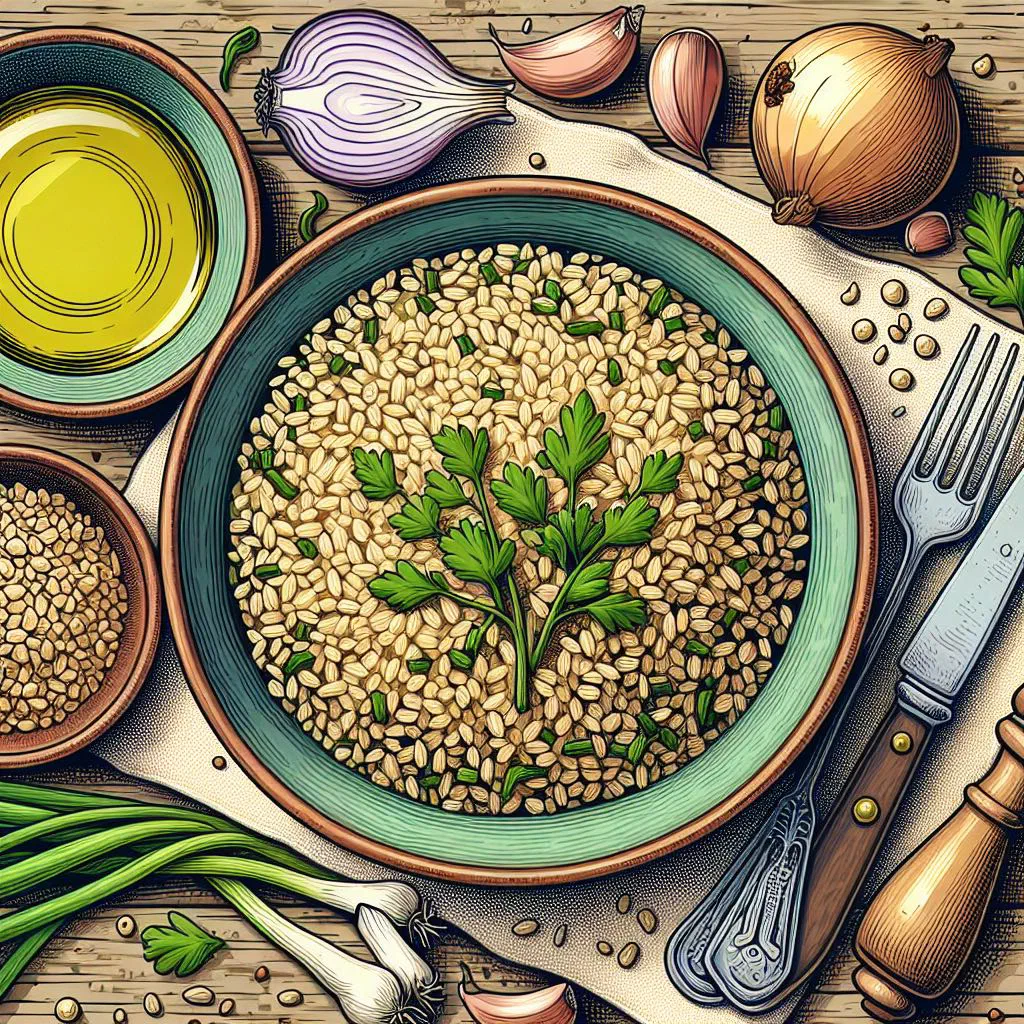
Meet Freekeh, a nutty, smoky grain that has fed the Middle East since antiquity and now sits proudly among Israel’s most cherished dishes. Made from young wheat that is harvested green and roasted over an open fire, it carries a wonderfully toasty flavour and a satisfying, chewy bite. Rich in fibre, protein and minerals, it is as nourishing as it is delicious, a true superfood that turns a simple weeknight supper into a taste of the Levant.
About Freekeh
Freekeh is not only a traditional dish but a genuine superfood. Made from immature, roasted wheat, it offers a unique combination of nutty aromas and a subtle smoky note. The preparation of freekeh is deeply rooted in Israeli cooking and across the wider Middle East, where it is often served at festive occasions. Alongside its outstanding flavour, freekeh also has many health benefits, being rich in fibre, protein and minerals. It is a staple that feels both ancient and thoroughly modern.
Ingredients (serves 1–2)
- 200 g freekeh
- 1 small onion
- 2 cloves of garlic
- 1 pepper (red or yellow)
- 100 g peas (fresh or frozen)
- 2 tablespoons olive oil
- 1 teaspoon cumin
- Salt and pepper to taste
- Fresh herbs (parsley or mint), to garnish
Shopping for the ingredients
When shopping for a freekeh dish, it is best to visit a health-food or Middle Eastern grocery. There you will find freekeh itself and the range of spices that round out the flavour of your meal. Many supermarkets now stock dedicated shelves for international cooking where freekeh can also be found. Whatever you buy, choose fresh, good-quality produce to get the very best results.
Preparing the dish
Prepare the ingredients for your freekeh by finely chopping the onion and garlic. The pepper should be cut into small dice, and if you are using fresh peas, shell them in advance. These small steps help you stay on top of things while you cook. Get your pans and utensils ready too, so the whole process runs smoothly from start to finish.
Step-by-step instructions
- Rinse the freekeh thoroughly in a sieve under running water to remove any impurities.
- Bring 2 cups of water to the boil in a pan, add the freekeh and simmer gently for about 20–25 minutes until tender.
- Heat the olive oil in a frying pan and sauté the onion and garlic until golden brown.
- Add the pepper and peas and cook until the vegetables are soft.
- Tip the cooked freekeh into the pan with the vegetables and mix everything together well.
- Season with cumin, salt and pepper, then stir through the fresh herbs.
- Serve the dish warm and garnish to taste.
Gluten-free / lactose-free version
Freekeh is naturally a wheat product and therefore contains gluten, but for anyone with coeliac disease or those avoiding gluten there are alternatives. Using gluten-free grains such as quinoa or buckwheat can make for a tasty solution. To keep the dish lactose-free, simply avoid any dairy products and rely on plant-based oils and spices. That way your meal stays open to everyone who loves good food.
Tips for vegans and vegetarians
The freekeh recipe is already vegetarian by nature and is easily made vegan. Take care to use plant-based oils rather than animal fats. You can also add a variety of fresh vegetables and pulses to boost the nutritional value and make the dish even more interesting. Experiment with different spices to tailor the flavour exactly to your own taste.
More tips and tricks
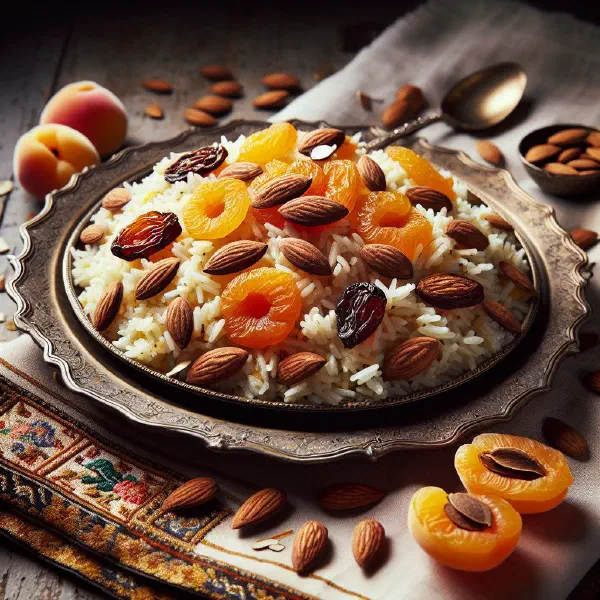
For even more flavour when preparing freekeh, cook the grain in stock instead of water. Aromatic vegetable or chicken broth lends the dish extra depth and complexity. Adding dried fruit such as apricots or raisins can bring an exciting hint of sweetness, much as it does in a fragrant Apricot And Almond Pilaf. Do not be afraid to experiment; the original recipe leaves plenty of room for creative tweaks.
Adapting the recipe to your taste
The beauty of freekeh lies in its versatility. Depending on your preference you can vary the vegetables or add extra spices such as paprika or curry. For a spicier result, fresh chillies work brilliantly. A range of cooking methods, from baking in the oven to frying in a pan, keeps things varied too. Adapt the recipe to suit your tastes or the particular season.
Ingredient substitutions
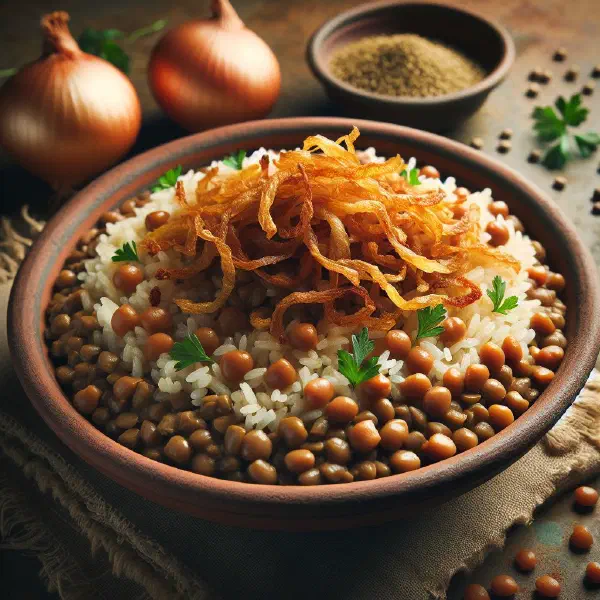
If you find you are missing some ingredients for freekeh, there are usually flavourful alternatives to hand. Instead of fresh peppers you might use frozen vegetable mixes, for instance. Choosing different pulses such as chickpeas or lentils can also lend a new, characteristic flavour, the same hearty appeal you’ll find in Lentil And Rice Mujadara or a bowl of Roasted Chickpeas. Swap the herbs according to seasonal availability or personal taste to discover new aromas.
Drink pairing ideas
Choosing the right drinks to serve with freekeh can round off the whole experience. A light, dry white wine or a crisp rosé harmonises beautifully with the nutty aromas. Alternatively, a classic Middle Eastern drink such as ayran or a mint tea creates a refreshing balance. Non-alcoholic options like freshly pressed citrus juices or mint lemonade are also well worth a try.
Serving and presentation ideas
The presentation of your freekeh dish can make a real impression. Serve it in an attractive bowl and decorate with fresh herbs or toasted nuts to add extra aroma and crunch. A little lemon juice just before serving lends the dish a fresh lift. Remember that an inviting presentation enriches the whole meal and appeals to your guests. Pair it with a bright Tabouleh for a colourful spread.
A bit of history
Freekeh has a history that reaches back to antiquity. Originally cultivated in the region of present-day Lebanon and Syria, it was prized by ancient civilisations and used above all as a staple of Arab cooking. The technique of roasting the young wheat is regarded as a local culinary heritage and reflects the food traditions of the Middle East, of which Israeli cuisine is a bright part. Over time freekeh has gained increasing recognition in Western kitchens too, winning over more and more admirers.
More recipe ideas
Summary: Freekeh
In summary, freekeh is a tasty dish and the perfect chance to get acquainted with the varied culture of the Middle East. Whether as a side or a main course, freekeh is simple to prepare and the possibilities are endless.