National Dish Israel: Halva with Pistachios (Recipe)
In this article
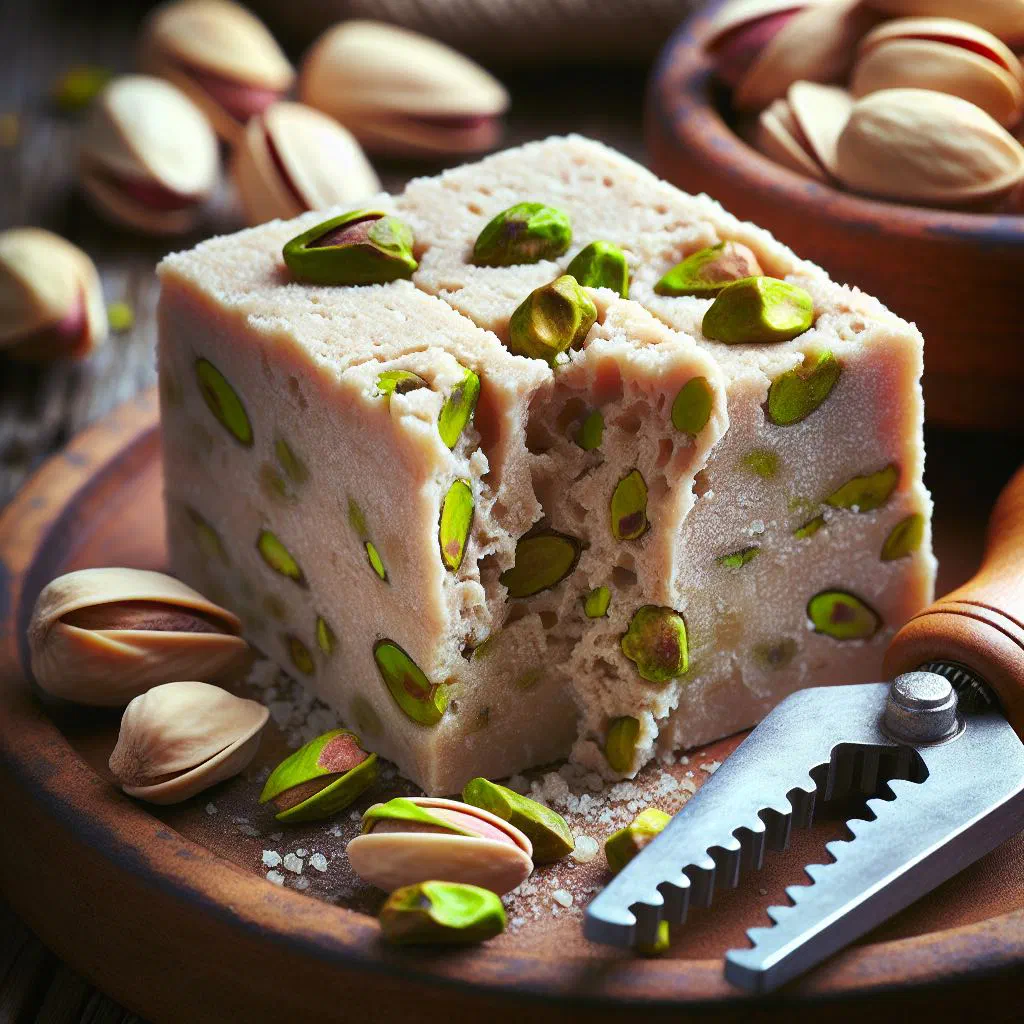
Meet halva with pistachios, one of Israel’s best-loved sweets and a fixture of Middle Eastern kitchens. Made from rich sesame paste, sugar and a scattering of jewel-green nuts, it has a wonderfully creamy, fudge-like texture and a deep, toasty aroma. Enjoyed at celebrations or simply as an everyday treat, it is remarkably easy to make at home and brings a touch of the orient straight to your table, a naturally vegan and gluten-free indulgence for anyone with a sweet tooth.
About Halva with Pistachios
Halva is a traditional sweet with roots across many cultures, and nowhere more so than in the Middle East. Made from sesame in the form of tahini, along with sugar and a few simple extras, it wins people over with its creamy texture and an unmistakable, nutty flavour. In Israel, halva is a much-loved treat enjoyed on special occasions or simply as a snack. The preparation is straightforward and carries a hint of oriental culture into your own kitchen, much like the honey-soaked layers of Baklava.
Ingredients (serves 1–2)
- 200 g tahini (sesame paste)
- 100 g sugar
- 50 ml water
- 50 g chopped pistachios
- 1 teaspoon vanilla extract
Shopping for the ingredients
The ingredients for halva are available in most supermarkets or in specialist Middle Eastern and Asian grocers. When buying tahini, look for a good-quality sesame paste to get the very best flavour. Pay attention to the quality of the pistachios too, as they have a big influence on the aroma of the finished sweet. A quick glance at the packaging helps you make sure there are no unwanted additives.
Preparing the dish
Before you start making halva, it is important to have all your ingredients ready to hand. Measure out the quantities you need and make sure your work surface is clean and tidy. Prepare a baking tin as well, in which the halva can later cool and set. This bit of groundwork makes the whole process more efficient and altogether more enjoyable.
Step-by-step instructions
- In a small pan, heat the water and sugar until the sugar has fully dissolved. Stir the mixture well so it heats evenly.
- In a bowl, combine the tahini and the vanilla extract. Once the sugar syrup is hot, pour it slowly into the bowl with the tahini and stir vigorously until you have a smooth, homogeneous mass.
- Add the chopped pistachios and stir through until they are evenly distributed.
- Pour the mixture into the prepared baking tin and spread it out evenly. Let the halva cool at room temperature, then chill it in the fridge for at least 2 hours until firm.
Gluten-free / lactose-free version
Halva is naturally gluten-free and lactose-free, as long as you make sure the ingredients you use contain no gluten- or lactose-based additives. Use fresh, pure products to keep the sweet clean and simple. This makes halva a perfect snack for people with dietary restrictions. Enjoy the treat without having to worry about extra intolerances.
Tips for vegans and vegetarians
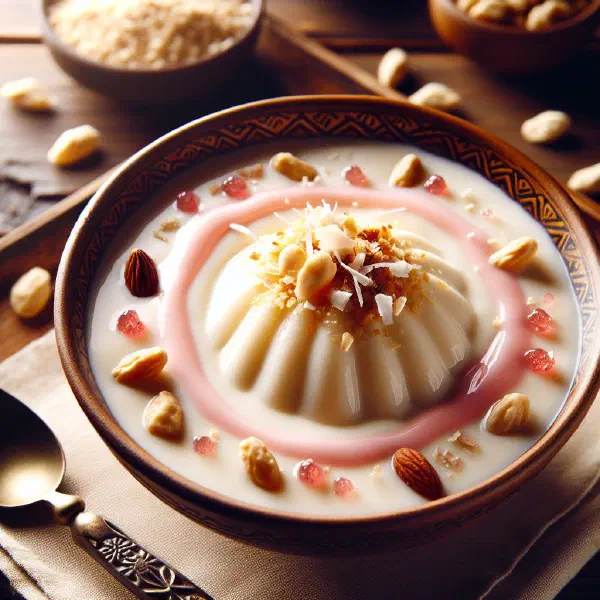
One of the great things about halva is that it is vegan, since it contains no animal products. For vegans it makes an ideal treat that fits easily into a plant-based diet. Just take care to choose a vegan sugar so the dish stays entirely plant-based. That way you can enjoy your halva with a completely clear conscience, much like a bowl of creamy Malabi.
More tips and tricks
When making halva, a few pointers can help you perfect the result. Stir the mixture thoroughly, for instance, to guarantee a smooth consistency. You can also experiment with different nuts or seeds to vary the flavour. Once the halva has set, store it in an airtight container to keep it fresh.
Adapting the recipe to your taste
The halva recipe is highly adaptable and can be adjusted to suit your personal taste. Prefer it a touch sweeter? Simply add a little more sugar. If you like a more intense note, try adding cocoa powder or spices such as cinnamon.
Ingredient substitutions
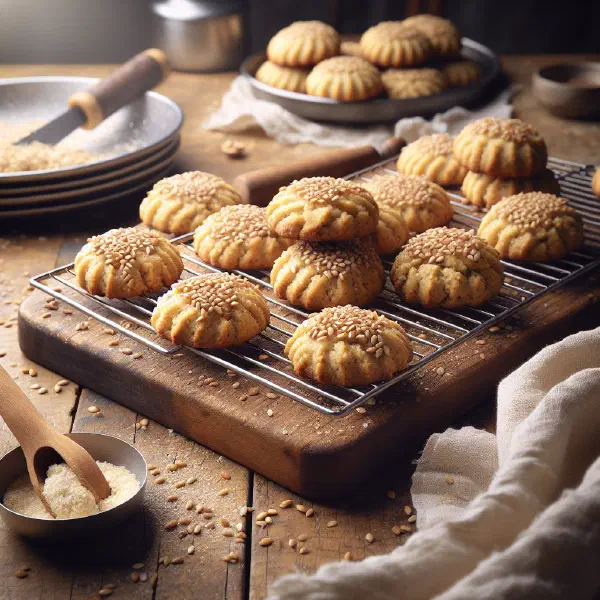
For those with allergies or particular preferences, there are several alternatives to the traditional ingredients in halva. Instead of pistachios you can use almonds or walnuts for a different flavour. If you are not a fan of sesame paste, try almond or peanut butter instead. These swaps keep the sweet just as delicious and distinctive, the same nutty spirit you find in Maamoul.
Drink pairing ideas
Halva pairs beautifully with a range of drinks. A fragrant mint tea or a refreshing glass of lemon water rounds off its sweetness perfectly. Alternatively, an Arabic coffee or a fruity tea makes for a harmonious combination. Remember that the choice of drink plays an important part in highlighting the flavours and lifting the whole experience.
Serving and presentation ideas
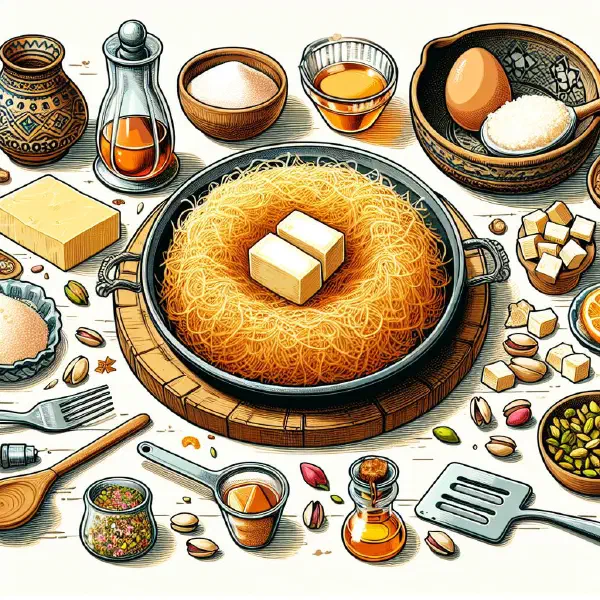
The way halva looks can greatly enhance the pleasure of eating it. Serve the sweet in a pretty bowl and garnish with a few chopped pistachios or flaked almonds. A light dusting of icing sugar can add an elegant finishing touch. Trust your creativity and enjoy arranging halva attractively on the table, alongside other sweets such as Knafeh.
A bit of history
Halva has a long and fascinating history that spans many cultures. The sweet originally comes from the Middle East, but over the centuries it has spread in various forms to countries such as Greece, Turkey and India. In many cultures halva is regarded as a symbol of festive occasions and celebratory gatherings. This historical significance makes halva a delicious treat and a piece of culinary heritage, and a fine ambassador for Israeli cuisine.
More recipe ideas
Summary: Halva with Pistachios
Halva is a delicious and versatile sweet that lends any room a hint of oriental culture. With simple ingredients and an uncomplicated method, you can easily make this traditional treat yourself. Whether as a snack or a dessert, halva has the potential to enchant your taste buds and bring a genuine delicacy to the table.