National Dish Israel: Hamantaschen (Recipe)
In this article
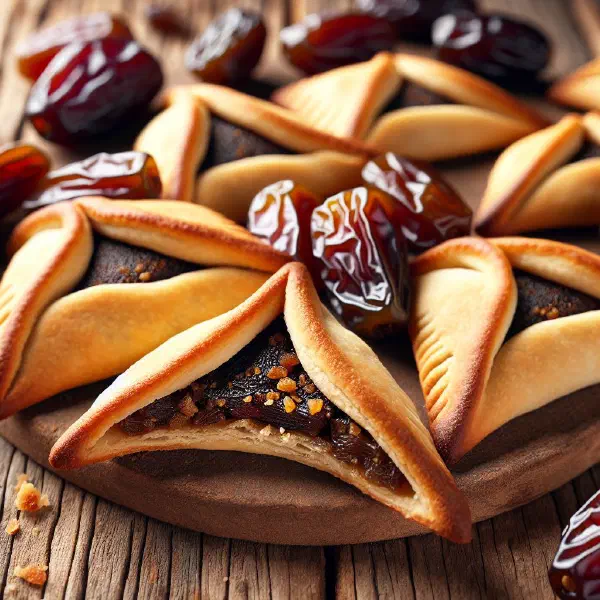
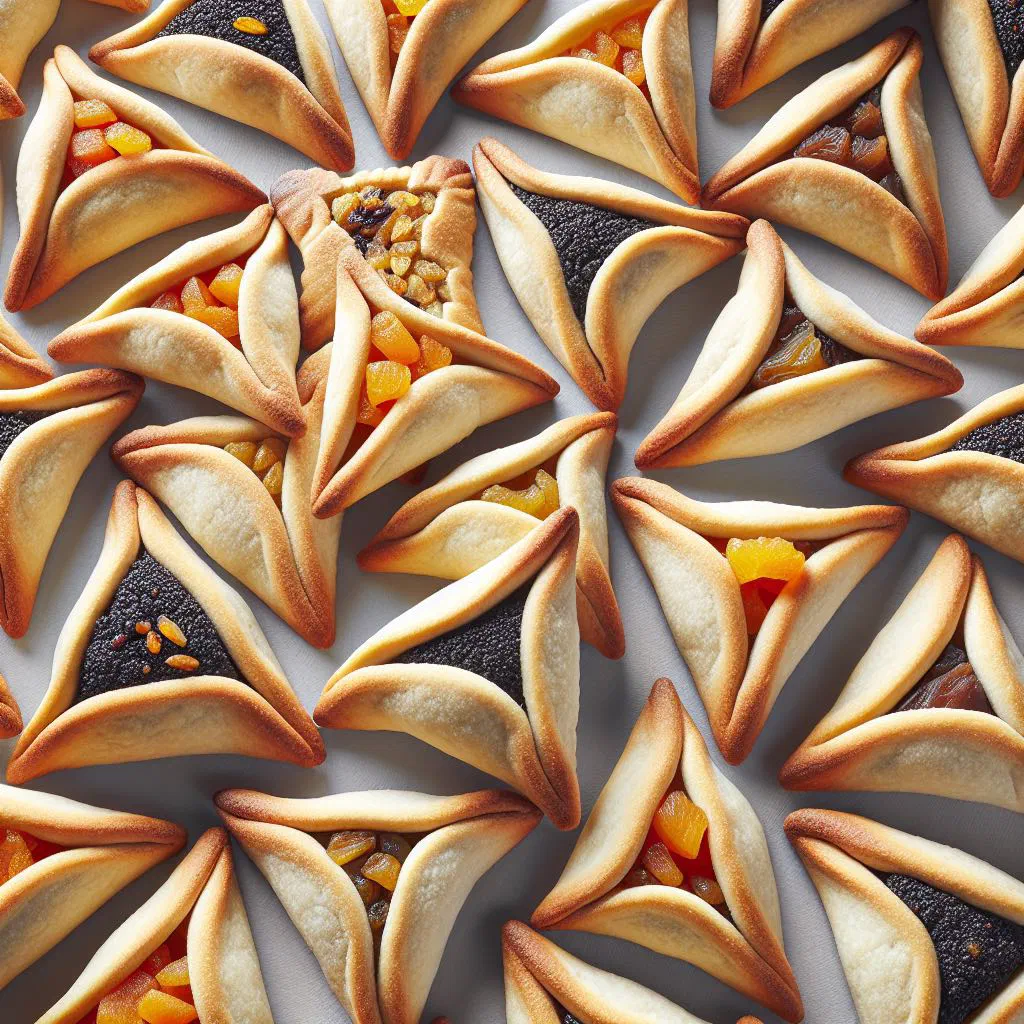
Meet Hamantaschen, the cheerful triangular pastries that light up Israeli kitchens every Purim. Tender, buttery dough wraps around a spoonful of fruit, nuts or chocolate, folded into their unmistakable three-cornered shape. Rooted in Eastern European Jewish tradition, they carry a story of triumph and celebration in every bite. Easy to make and endlessly adaptable, they are a treat that appeals to everyone who tries one.
About Hamantaschen
Hamantaschen are a beloved dessert in Israel, enjoyed with special enthusiasm during the Purim festival. These triangular filled pastries are prepared with all manner of fillings, fruit, nuts or chocolate, which makes them wonderfully versatile and full of flavour. With origins in Eastern European Jewish traditions, they symbolise the victory over dark forces celebrated at Purim. Thanks to their delicate, buttery dough and countless filling variations, they are a hit with anyone lucky enough to sample them.
Ingredients (serves 1–2)
- 250 g plain flour
- 100 g butter
- 75 g sugar
- 1 egg
- 1 tsp vanilla sugar
- 1 pinch of salt
- Filling of your choice (e.g. jam, nuts, chocolate)
Shopping for the ingredients
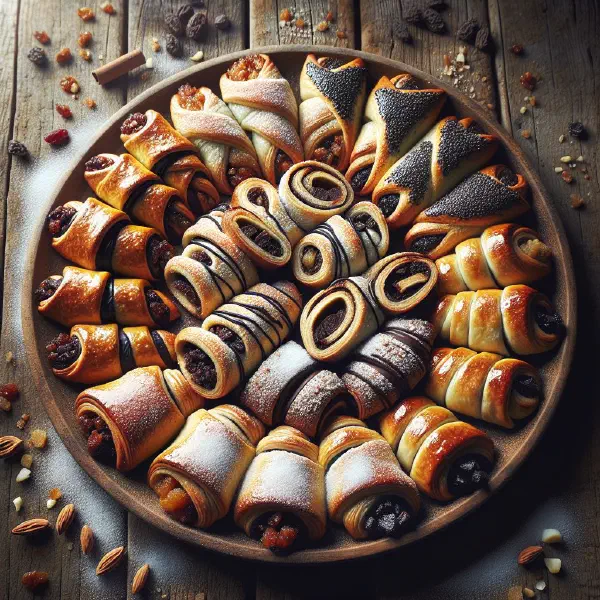
To make Hamantaschen you will want fresh ingredients, all of which should be easy to find in any well-stocked food shop. When choosing your butter, look for a fresh, unsalted variety to bring out the best flavour. The fillings are entirely down to personal taste, so feel free to be creative when you shop. Popular choices include apricot jam or a mixture of chopped nuts and chocolate. The same love of sweet, filled pastries runs through treats like Rugelach and Maamoul.
Preparing the dish
Before you start making the Hamantaschen, gather all your ingredients and set them out ready. It is important that the butter is soft enough to cream easily with the sugar. Dust your work surface generously with flour so the dough does not stick. Remember that shaping Hamantaschen is a lovely chance to get family or friends involved, letting everyone fold their own little parcels of dough.
Step-by-step instructions
- Cream the butter and the sugar together until the mixture is smooth and pale.
- Add the egg and the vanilla sugar and mix everything together well.
- Gradually stir in the flour and the salt until a smooth dough forms.
- Wrap the dough in cling film and chill in the fridge for at least 30 minutes.
- Roll the rested dough out on a floured surface and cut out circles.
- Spoon a teaspoon of your chosen filling into the centre of each circle.
- Fold the edges up and pinch them firmly to create the characteristic triangular shape.
- Arrange the Hamantaschen on a baking tray and bake at 180°C for about 20 minutes, until golden brown.
Gluten-free / lactose-free version
To make gluten-free Hamantaschen, use a gluten-free flour blend, widely available in most supermarkets. Be sure to swap in a lactose-free butter or a suitable plant-based fat as well. It helps to adjust the recipe step by step, as gluten-free flour may need a little extra liquid to come together. If you are baking for someone with a gluten or lactose intolerance, take care that every ingredient is chosen with that in mind.
Tips for vegans and vegetarians
To make the Hamantaschen vegan, replace the egg with apple purée or with flaxseed soaked in water. Instead of butter, use a plant-based margarine to achieve a similar taste and texture. Just make sure any fillings you choose are vegan too, so the whole batch meets the mark. This way vegans can enjoy the glory of these traditional pastries alongside everyone else.
More tips and tricks
To make sure your Hamantaschen have the best texture and flavour, feel free to adjust the baking time. If you prefer a crisper result, leave them in the oven for a few extra minutes. Take care not to roll the dough too thin, or the filling may leak out during baking. Shaping the little parcels takes a touch of patience, but the more you practise, the better your results become.
Adapting the recipe to your taste
Hamantaschen are wonderfully versatile and easy to tailor to personal preference. Experiment with different fillings, such as cinnamon with apple or even chocolate hazelnut spread for a sweeter twist. For a special touch, scatter the edges of the dough with sesame seeds or crumbled macaroon before baking. That way every pastry becomes unique and reflects your own taste.
Ingredient substitutions
There are plenty of ways to adapt the Hamantaschen recipe. In place of wheat flour, for example, you could use oat flour or almond flour for a different flavour and texture. The filling can be changed however you like too, so reach for cream cheese, fresh fruit or even custard. Substitutions like these add variety and make for a truly personal baking experience, much as the sweet, nutty layers do in a Poppy Seed Cake.
Drink pairing ideas
To round off the pleasure of Hamantaschen, serve them with a well-chosen drink. A cup of tea or a glass of warm milk pairs beautifully with these sweet delicacies. If you prefer something more refreshing, a fruity punch or a cool drink would be ideal. Combining hot and cold drinks lends a festive occasion or a friendly gathering a little something extra.
Serving and presentation ideas
The way you present the Hamantaschen can have a big effect on how the whole treat is perceived. Serve the pastries on an attractive plate, dusted with icing sugar or drizzled with a sweet sauce for an extravagant finish. A decorative bowl of fresh fruit or a patisserie platter can complement them perfectly. Surprise your guests with creative arrangements to create a festive atmosphere.
A bit of history
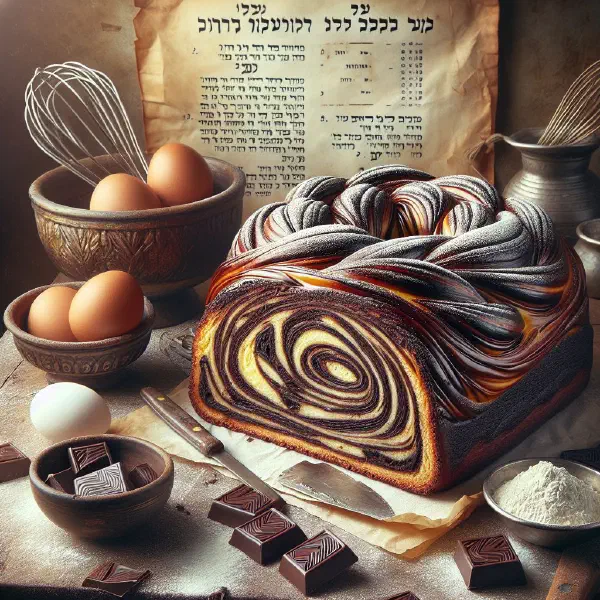
Hamantaschen have a fascinating history closely bound up with the festival of Purim. Traditionally they are said to represent the three-cornered hat of Haman, cast in the biblical story as the enemy of the Jewish people. Baking them has become a symbol of freedom and resilience, standing for the overcoming of threats. The tradition of making these pastries has developed across many cultures over the centuries, with fillings varying by region and taste, a lovely reflection of the wider world of Israeli cuisine, from festive Challa to layered Chocolate Babka.
More recipe ideas
Summary: Hamantaschen
Hamantaschen are far more than just a pastry. They are a piece of cultural heritage that stands for joy and togetherness. Their variety of fillings and their simple preparation make them a favourite recipe for the Purim festival and well beyond. They are a genuine treat for the whole family. Give them a try and discover the history and delicious flavour of this traditional Jewish delicacy.