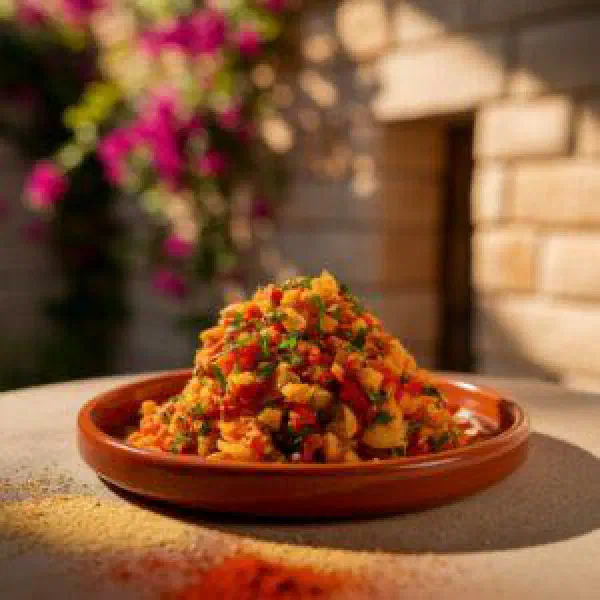
National Dish Israel: Hamin (Recipe)

In this article
Discover Hamin, the hearty overnight stew that sits at the very heart of Israeli home cooking. Tender beef, creamy pulses and warming spices are left to mingle for hours over the gentlest of heat, until every mouthful is rich, deeply savoury and comforting. Traditionally simmered from Friday evening onwards as the classic Shabbat dish, it is perfect for cold days and memorable, soul-warming meals. Bring a genuine taste of Israel to your own table.
About Hamin
Hamin is a hearty stew rooted deep in Israeli and Jewish tradition. The dish is celebrated for its freshness and its intense flavour, both of which develop through slow, overnight cooking. It is often prepared as a classic Shabbat dish, since it can be made well in advance and given plenty of time for the aromas to unfold. Many families have their own version, handed down from generation to generation, which lends the dish a special significance at the table.
Ingredients (serves 1–2)
- 250g beef, diced
- 100g chickpeas, pre-cooked
- 2 medium potatoes, diced
- 1 onion, finely chopped
- 2 cloves of garlic, chopped
- 2–3 tablespoons olive oil
- 1 teaspoon paprika
- 1 teaspoon cumin
- Salt and pepper, to taste
- Water or stock, to cover the ingredients
Shopping for the ingredients
When shopping for the ingredients for hamin, it is important to pay attention to the quality of what you buy. Fresh vegetables and good-quality beef make a real difference to the flavour of the finished dish. Visit local markets or wholefood shops to track down the best produce. It is also worth making sure the chickpeas are well soaked and pre-cooked, as this shortens the cooking time considerably and gives a better texture.
Preparing the dish
Preparing hamin is an important step in coaxing out its full flavour. Begin by chopping the vegetables and dicing the beef. Browning the onions and garlic in olive oil already gives the dish an aromatic base. After that, tip all the ingredients into a large pot or a heavy casserole and make sure they are well combined before you add the water or stock.
Step-by-step instructions
- Heat the olive oil in a large pot and fry the onions and garlic until golden brown.
- Add the diced beef and brown it all over.
- Add the chickpeas, potatoes, paprika and cumin and mix everything together well.
- Cover the ingredients with water or stock and season with salt and pepper.
- Put the lid on and leave the dish to simmer over low heat overnight.
Gluten-free / lactose-free version
Hamin is by its very nature a dish that can be made gluten-free and lactose-free. Simply use fresh ingredients and avoid any added products that might contain gluten. Pulses are an excellent choice for a protein-rich, gluten-free diet. When shopping, check the labels of your ingredients to make sure they suit your dietary needs.
Tips for vegans and vegetarians
Hamin can also be prepared vegan or vegetarian by replacing the beef with vegetables or plant-based proteins. Lentils or a mix of different vegetables, for instance, help you achieve that same hearty flavour. Take care to adjust the spices so the dish keeps its depth and aroma. With a little creativity, vegans and vegetarians can enjoy this traditional dish too.
More tips and tricks
To get the best results when cooking hamin, there are a few tips and tricks worth keeping in mind. Experiment with different spices and herbs to refine the dish to your own taste. Slow cooking over low heat is also crucial for developing the flavours. Where possible, use a heavy casserole, as it distributes the heat evenly and lets the dish cook to perfection.
Adapting the recipe to your taste
One of hamin’s great strengths is its flexibility. You can adapt the recipe to your personal preferences by adding different kinds of pulses or vegetables. If you prefer sharper, spicier flavours, for example, work in some chilli or other hot spices. Tailoring the dish makes it more interesting not only for you, but for your guests as well.
Ingredient substitutions
If you are missing certain ingredients or simply fancy a change, there are plenty of alternatives. Instead of beef you could use chicken or turkey for a lighter version. Likewise, different pulses such as black beans or borlotti beans work well, much like the hearty pulses in a warming Spiced Lentil Soup. With the spices, feel free to experiment and create your very own version.
Drink pairing ideas
To round off a perfect meal, choosing the right drink matters just as much. A light red wine can be an excellent partner for hamin, complementing the dish’s savoury notes. Alternatively, sparkling mineral water or a homemade lemonade will highlight the freshness and flavours within. Whatever you choose, make sure it works with rather than against the aromas of the dish.
Serving and presentation ideas
The presentation of hamin can greatly heighten the pleasure of the meal. Serve the dish in deep bowls to create a rustic, welcoming feel. Add a scattering of fresh herbs as a garnish to lend colour and freshness. Offering some fresh bread or Pita for dipping can add an extra layer of enjoyment too.
A bit of history
Hamin has a long history, closely bound up with Jewish culture. It originally came about as a dish to be prepared for Shabbat, since it could be cooked overnight without any work on the day itself. The tradition of making hamin has endured for centuries and continues in Jewish communities all around the world. It is a symbol of belonging and family, a cornerstone of Israeli cuisine that is still celebrated today.
More recipe ideas
Summary: Hamin
In short, hamin is a traditional Israeli dish that is delicious and steeped in history and tradition. The combination of tender beef, pulses and spices makes it a perfect choice for cold days. Thanks to its straightforward cooking methods and its room for adaptation, hamin is a dish that deserves a place in any kitchen. Let its rich aromas and its meaning inspire you, and enjoy a taste of Israel in your own home.