National Dish Israel: Hilbeh (Recipe)
In this article
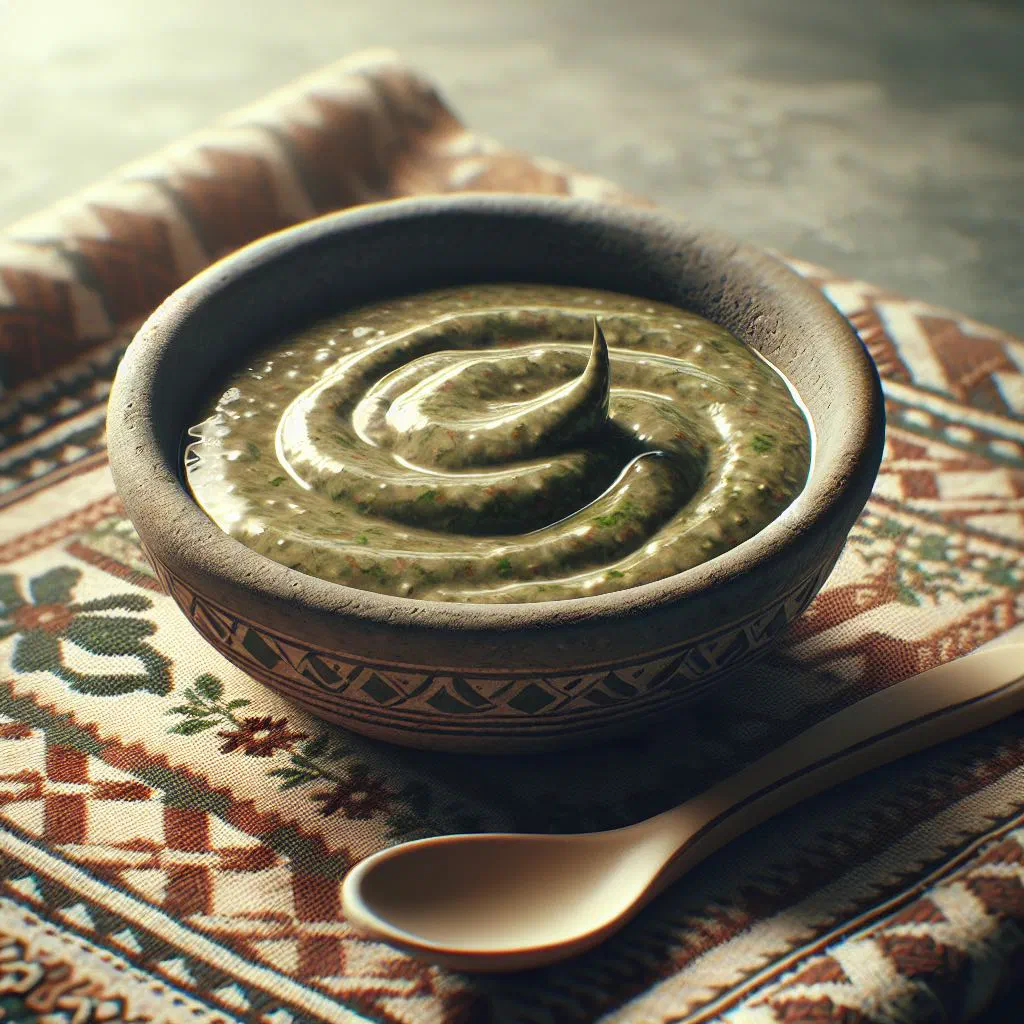
Meet Hilbeh, a fragrant paste that sits at the heart of the Israeli table. Built around aromatic fennel seeds and a simple dough, it carries the warm, savoury flavours of the Middle East and turns an everyday spread into something memorable. Served alongside zesty sauces and crisp fresh vegetables, this versatile dish has long been a favourite in Israeli kitchens, and it is just as easy to bring to life in your own home.
About Hilbeh
Hilbeh is a distinctive national dish of Israel, made from fennel seeds and an aromatic dough. This delicious paste is a treat for the palate and lends many dishes an unmistakable depth of flavour. It is often served with a range of spicy sauces and fresh vegetables, which makes eating it a special experience. Its popularity in Israeli cooking remains undimmed, and it is well known across many other cultures of the Middle East too.
Ingredients (serves 1–2)
- 100g fennel seeds
- 200ml water
- 150g flour
- 1 teaspoon salt
- 2 tablespoons olive oil
- Fresh vegetables of your choice (e.g. tomatoes, cucumber)
- Spicy sauces (e.g. tahini, hot sauce)
Shopping for the ingredients
To make hilbeh you will want fresh, good-quality ingredients. Fennel seeds are the main component, so make sure they are fresh and aromatic. You can find them in Asian or Mediterranean grocers, or order them online. All the other ingredients should be fresh too, to guarantee the best flavour, especially the vegetables, which provide a crisp contrast to the savoury paste.
Preparing the dish
Before you start making hilbeh, gather and prepare all of your ingredients. The fennel seeds can be lightly toasted to intensify their flavour. This is an important step that releases the aromas and makes the dish even more delicious. The vegetables should be washed and cut into bite-sized pieces so they are easy to serve as an accompaniment.
Step-by-step instructions
- Lightly toast the fennel seeds in a pan until fragrant.
- Combine the toasted seeds with the water in a bowl.
- Add the flour and salt, then knead until you have a smooth dough.
- Leave the dough to rest for 30 minutes so the flavours can develop.
- Shape the dough into small flatbreads and bake them in a heated pan without oil.
- Serve the flatbreads warm, accompanied by fresh vegetables and sauces.
Gluten-free / lactose-free version
If you would like to make hilbeh gluten-free, you can swap the flour for a gluten-free flour, such as almond or coconut flour. For a lactose-free version this dish is already very well suited, since it uses no dairy products. Just make sure the sauces you serve alongside are lactose-free as well. That way you can enjoy the dish with complete peace of mind, without giving up any of the flavour.
Tips for vegans and vegetarians
Hilbeh is naturally vegan and vegetarian, which makes it an excellent choice for anyone avoiding animal products. Take care that the sauces and sides you use are plant-based too, so the dish stays fully vegan. Fine olive oil or avocado can also be used as alternative fats. Enjoy hilbeh with a variety of vegetables for extra flavour and nutrition, much like the fresh spread of an Israeli Salad.
More tips and tricks
To make hilbeh even tastier, you can work extra spices such as cumin or paprika into the dough. A small squeeze of lemon juice can also lift the flavour and add a pleasant freshness. If you are making the flatbreads for a party, they can be kept warm in the oven so they stay fresh and crisp. Experiment with different sauces to find your perfect combination.
Adapting the recipe to your taste
Hilbeh can be adapted and varied in countless ways. If there are ingredients you do not care for, you can simply leave them out or replace them with others. Add more spices to make the dish hotter, for example, or use flavoured oils for extra depth.
Ingredient substitutions
If you do not have every ingredient for hilbeh to hand, there are a few alternatives you can turn to. Instead of fennel seeds you can use aniseed, which offers a similar flavour. If you are not keen on olive oil, rapeseed oil or another vegetable oil works just as well. Even the flour can be swapped for a variety of other flours, as long as you keep an eye on the required consistency of the dough, the same care that goes into a good Tahini.
Drink pairing ideas
A number of drinks pair beautifully with a delicious plate of hilbeh. A refreshing mint tea is an ideal companion and brings an extra touch of freshness. For an alcohol-free option, a yoghurt drink is also well worth trying, as it complements the flavours of the food wonderfully. If you prefer something a little stronger, a fruity red wine or a light pale ale makes a good match.
Serving and presentation ideas
Presentation is key to a good first impression. Serve hilbeh on a large platter with colourful vegetables in the centre to create an inviting look. Add a further touch by garnishing with fresh herbs. A little olive oil or a few squeezes of lemon over the vegetables looks appealing and adds extra flavour, the same generous style you would bring to a bowl of Hummus.
A bit of history
Hilbeh has its roots in the culture of the Middle East and is a byword for the culinary heritage of Israel. The use of fennel seeds is typical of many dishes in the region and stems from centuries-old cooking traditions. The dish was originally developed out of the need to make the most of limited resources. Today, hilbeh is a symbol of the variety and richness of Israeli cuisine.
More recipe ideas
Summary: Hilbeh
Hilbeh is a versatile and flavoursome dish that captures the aromas of the Middle East. It is simple to prepare and invites a whole range of adaptations to suit every palate. The combination of fennel seeds and fresh vegetables makes for an exciting taste experience that is perfect for any occasion. Enjoy hilbeh in your own kitchen and discover the fascination of Israeli cooking in a whole new way.