National Dish Israel: Jachnun with Egg and Zhug (Recipe)
In this article
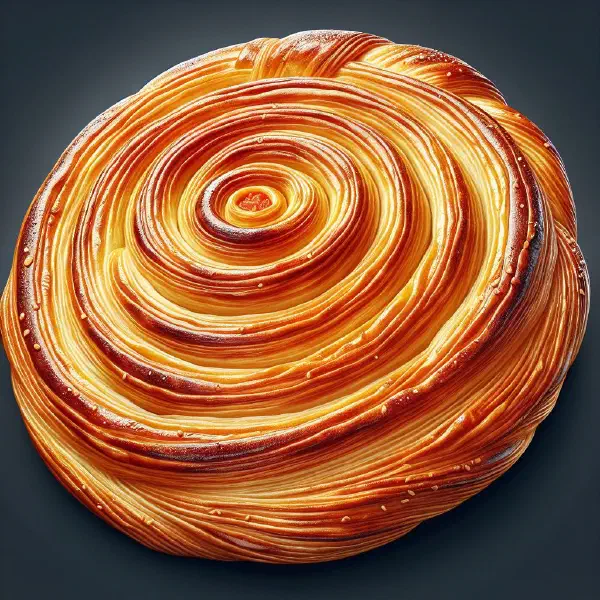
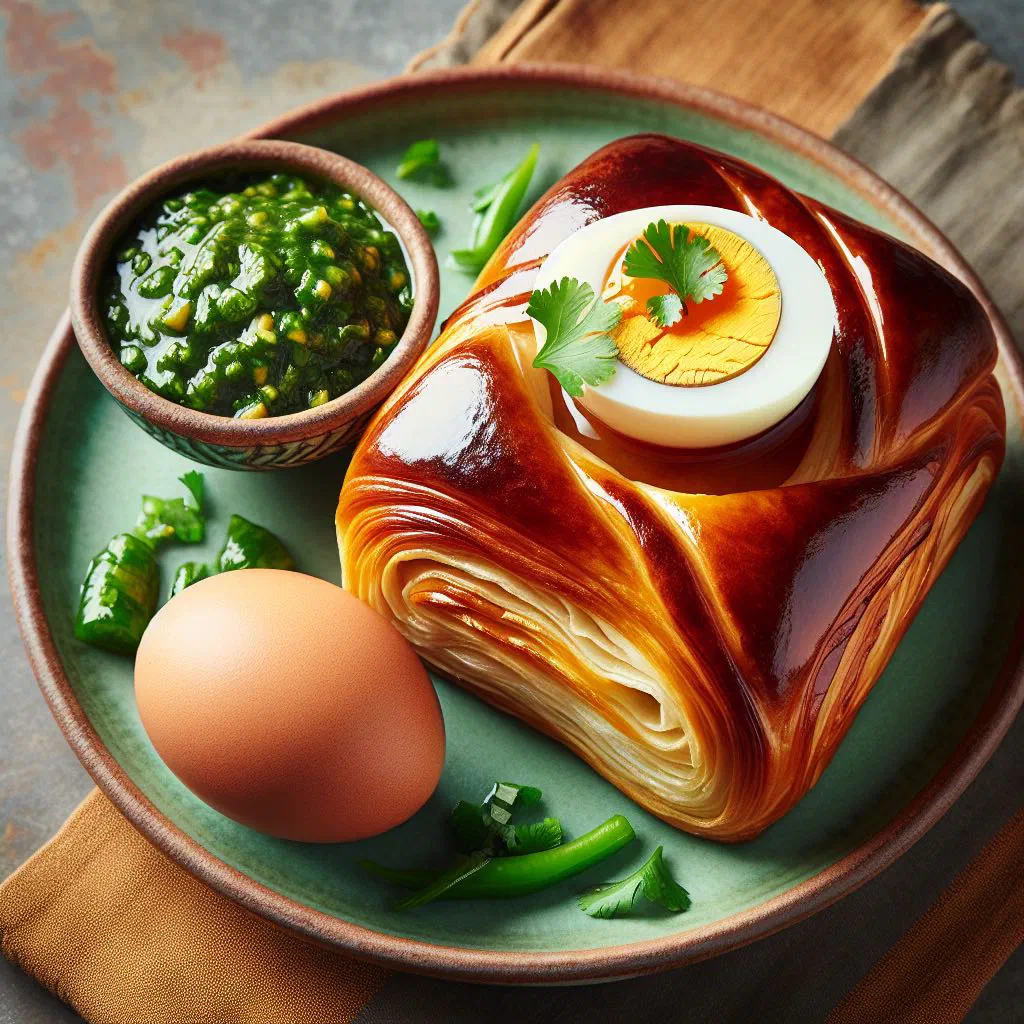
Meet Jachnun, a slow-baked Yemenite pastry that has become a cherished part of the Israeli table. Thin sheets of dough are brushed with fat, rolled up and baked gently overnight until golden, developing a texture that is crisp on the outside and meltingly soft within. Traditionally served on Shabbat morning, it comes alongside a soft-boiled egg and a fiery green coriander dip called zhug. Bring this comforting, patience-rewarding dish straight to your own kitchen.
About Jachnun with Egg and Zhug
Jachnun is a traditional Israeli dish, especially beloved within the Yemenite Jewish communities. It is made from a thinly rolled dough that is brushed with a little fat, coiled up and baked overnight at a low temperature. This slow preparation gives the pastry an exceptional texture, crisp on the outside and tender inside. Jachnun is customarily served on Shabbat, often accompanied by a soft-boiled egg and the spicy coriander dip known as zhug.
Ingredients (serves 1–2)
- 250 g plain wheat flour
- 1 tsp salt
- 100 ml water
- 2 tbsp oil or melted butter
- 1 tsp sugar
Shopping for the ingredients
When making Jachnun it is worth choosing fresh, high-quality products. Make sure the wheat flour is finely milled to get the best results from the dough. Oil or butter can be selected to personal taste, though many traditional recipes reach for ghee. Special ingredients such as fresh coriander for the zhug dip should not be missing either, as they round the dish off beautifully.
Preparing the dish
Preparing Jachnun begins with kneading the dough, which should be worked thoroughly to reach a smooth, supple consistency. After kneading, let the dough rest for at least half an hour so it can relax. During this time you can prepare the sauce and the egg to be served later. Beyond that, make sure you have all the kitchen tools you need ready, so the cooking process runs smoothly from start to finish.
Step-by-step instructions
- Put the flour, salt, water, oil and sugar into a bowl and knead to a smooth dough.
- Shape the dough into a ball and wrap it in cling film. Let it rest for at least 30 minutes.
- Roll the dough out thinly on a floured surface.
- Brush the dough with oil and roll it up. Place it in a lightly greased baking dish.
- Bake overnight at 100–120°C until the pastry is golden brown.
- Warm briefly before serving and soft-boil the eggs at the same time.
Gluten-free / lactose-free version
For a gluten-free version of Jachnun, alternative flours such as rice flour or maize flour can be used. These flours may need extra binders like xanthan gum or ground flaxseed to hold the texture together. By using plant-based oils, the dish can also be prepared lactose-free. With these adjustments the delicious flavour of Jachnun is preserved while catering to dietary needs.
Tips for vegans and vegetarians
Vegetarians can enjoy Jachnun in its traditional form, while vegans should take extra care to avoid any animal products. Instead of butter, plant-based fats or margarine work well. For the soft-boiled egg, a vegan alternative such as a tofu-based substitute can be prepared in a similar way. There are plenty of creative options for keeping the flavour of Jachnun intact without using animal products.
More tips and tricks
To get the best flavour out of Jachnun, pay close attention to the quality of your ingredients. The slow overnight bake is crucial for developing both taste and texture. Experiment with different fillings, grated vegetables or extra spices worked into the dough, for example. This lets you give your Jachnun a personal touch that suits your preferences.
Adapting the recipe to your taste
The recipe for Jachnun is easy to adapt to different palates. Add herbs such as thyme or basil to fold in extra aromas. The zhug dip can be made hotter or milder simply by adjusting the amount of chilli. This way you can prepare your Jachnun exactly to your own taste.
Ingredient substitutions
If you do not have certain ingredients for Jachnun to hand, there are often good alternatives. Spelt flour, for instance, can be used in place of wheat flour. Oil can be swapped for filtered water or vegetable stock to create a lighter dish. It is well worth working creatively with seasonal ingredients to discover new flavours, much as you might when preparing a fresh Pita.
Drink pairing ideas
Green teas and fruity juices pair beautifully with Jachnun and complement its aromas. A classic Israeli Jaffa orange juice also makes a refreshing accompaniment. For a heartier note, serve a full glass of tomato juice or iced tea. These drinks help to balance the rich flavours of the dish and offer a refreshing addition to the meal.
Serving and presentation ideas
The presentation of Jachnun can lift the whole dining experience. Serve the dish on a large wooden board to underline its rustic character. Garnish it with fresh herbs or delicate flowers to make a visually appealing impression. The accompaniments, such as the soft-boiled egg and the zhug, can be served in small bowls so every guest can build their own portion as they like, an approach that works just as well when serving Shakshuka.
A bit of history
Jachnun has its roots in Yemenite cuisine and has been passed down from generation to generation over the centuries. It is a dish tied to special occasions and family traditions, particularly during Shabbat. The slow overnight preparation is a symbolic way of marking the wait for the holy day and heightening the anticipation. Today it is treasured not only in Israel but around the world, and enjoys great popularity as a hallmark of Israeli cuisine.
More recipe ideas
Summary: Jachnun with Egg and Zhug
All in all, Jachnun is a genuine culinary discovery that represents flavour and tradition and culture. With its simple preparation and its endless scope for adaptation, it is a perfect dish for any occasion. Whether as a hearty breakfast or a delicious snack, Jachnun brings joy and warmth to the table. Let the flavours of Israeli cooking work their magic and give it a try yourself.