National Dish Israel: Labneh with Olive Oil and Za'atar (Recipe)
In this article
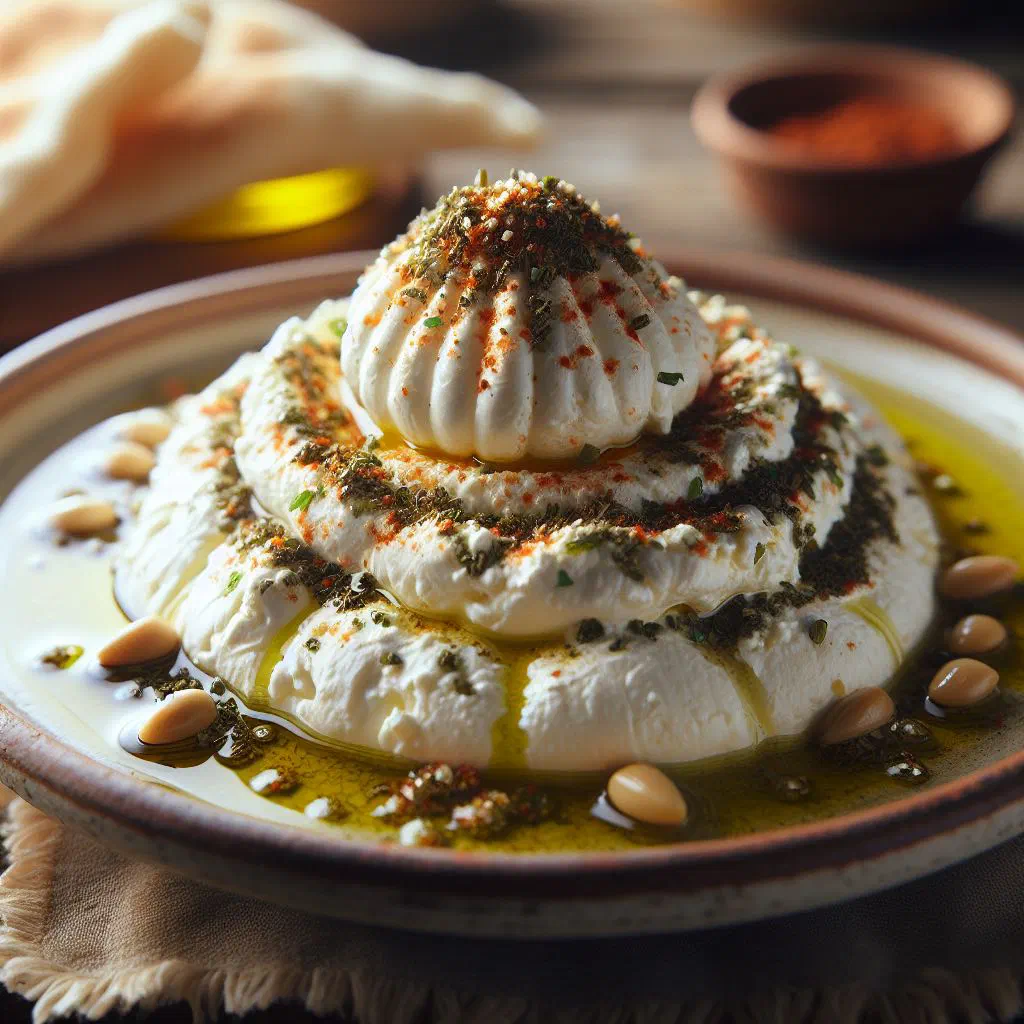
Meet Labneh with olive oil and za’atar, a wonderfully creamy strained yoghurt that sits at the heart of Israeli and Middle Eastern tables. Thick, tangy and endlessly versatile, it works equally well spooned onto warm flatbread or served as a dip for crisp vegetables. Finished with a generous pour of fruity olive oil and a scattering of fragrant za’atar, this simple dish delivers a big, sunny flavour with barely any effort at all.
About Labneh with Olive Oil and Za’atar
Labneh is a creamy yoghurt with roots deep in the Middle East, and it counts among the most beloved specialities in Israel. It is essentially a strained yoghurt, made by draining the whey away so the yoghurt takes on a thicker, richer consistency. This lovely texture makes labneh remarkably versatile, working just as happily as a spread as it does as a dip. Paired with good-quality olive oil and aromatic za’atar, labneh becomes an unmistakable taste of the region.
Ingredients (serves 1–2)
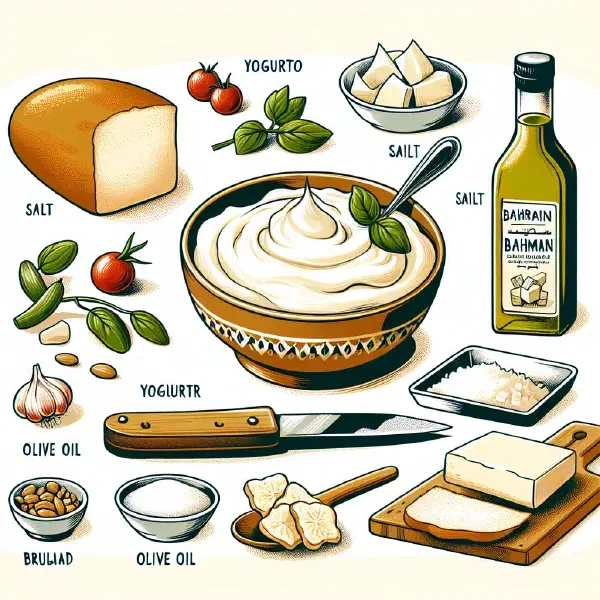
- 250 g labneh
- 3 tablespoons good-quality olive oil
- 1–2 teaspoons za’atar
- A pinch of salt
- Fresh vegetables or bread, to serve
Shopping for the ingredients
When shopping for labneh, it really pays to focus on the quality of your ingredients. Look for fresh, unsweetened yoghurt; international food shops and smaller dairies often carry particularly good options. Choose a cold-pressed olive oil, as it not only lifts the flavour but brings health benefits too. Za’atar can be picked up in Middle Eastern grocery shops or ordered online, guaranteeing that authentic, herby aroma.
Preparing the dish
Making labneh is a genuine pleasure and comes together quickly and easily. First, tip the yoghurt into a fine sieve or a sieve lined with a clean tea towel so the whey can drain away. Let the yoghurt drain for around 6–12 hours, depending on how thick you would like your labneh to be. While it drains, you can get on with preparing the other bits and pieces you need for serving.
Step-by-step instructions
- Set a fine sieve over a bowl and line it with a clean tea towel.
- Spoon the yoghurt into the sieve and cover it with another tea towel.
- Leave the yoghurt to drain in the fridge for at least 6 hours, ideally overnight.
- Lift the drained labneh out of the sieve and transfer it to a bowl.
- Add the olive oil, salt and za’atar, then stir everything together well.
- Serve the labneh in an attractive bowl, garnish to taste and enjoy with fresh bread or vegetable sticks.
Gluten-free / lactose-free version
Labneh is easily made gluten-free and lactose-free by using a lactose-free yoghurt. It offers a very similar flavour and consistency to the traditional version, so anyone with a lactose intolerance can still enjoy this delicious dish. For the bread, you can offer gluten-free alternatives such as rice crackers or vegetable sticks. That way the true taste experience remains intact, whatever your dietary needs.
Tips for vegans and vegetarians
For a vegan version, you can swap the labneh for plant-based yoghurt alternatives made from almonds or coconut. Be sure to choose unsweetened varieties to preserve that authentic flavour. To fine-tune a plant-based labneh, soak and blend cashews to achieve a similar creamy consistency. This inventive take is prized not only by vegans but by anyone in search of new flavours, much like a fresh Yogurt and Cucumber Dip.
More tips and tricks
When making labneh, always make sure all your utensils and containers are clean to keep the dish at its best for longer. Stir through herbs such as parsley or dill to vary the flavour and add extra freshness. You can also experiment with spices like chilli or turmeric to give your labneh a distinctive edge. Remember, too, that fresh ingredients make all the difference, so choose high-quality vegetables or bread.
Adapting the recipe to your taste
Labneh is hugely versatile and easy to adapt to personal preference. Or experiment with sweet additions like honey or fresh fruit, the possibilities are endless. Playing with different textures and flavours can enrich the whole experience enormously.
Ingredient substitutions
If you do not have every ingredient to hand, there are a few alternatives you can turn to. In place of olive oil, try avocado oil or walnut oil, both of which contribute wonderful aromas. For the herbs, various blends can stand in for za’atar, such as Italian herbs or a spoonful of pesto. Adaptations like these create exciting new flavour combinations that enrich your labneh, in the same spirit as the herby Za’atar Manakish.
Drink pairing ideas
Labneh goes especially well with refreshing drinks such as mint tea or homemade lemonade, which complement its creamy notes perfectly. A rosy grenadine cocktail or a classic glass of red wine can also be an excellent choice. If you prefer something alcohol-free, sparkling water with a slice of lemon or lime makes for a wonderfully crisp accompaniment. These pairings bring variety and freshness to your labneh spread.
Serving and presentation ideas
The presentation of labneh can lift the entire eating experience. Serve it in a beautiful bowl and garnish with fresh herbs, a pinch of za’atar and a swirl of olive oil. Offer colourful vegetables or warm flatbread on a separate plate alongside. To make it look even more inviting, arrange the bowl on a rustic wooden board or a colourful ceramic platter to draw your guests’ eyes straight to the dish. Warm Pita is the classic partner here.
A bit of history
Labneh has its roots in the Middle East and has been part of the region’s traditional cooking for centuries. It counts among the oldest forms of yoghurt and carries great cultural significance across many countries, including Lebanon and Israel. It is often served on special occasions as part of a mezze, a spread of many small dishes. Labneh symbolises the culinary creativity of the region and community and the passing down of traditions across generations, a spirit shared throughout Israeli cuisine.
More recipe ideas
Summary: Labneh with Olive Oil and Za’atar
Labneh is a delicious and versatile Middle Eastern speciality that wins everyone over with its creamy consistency. With just a handful of ingredients and a simple method, it is an ideal choice for any occasion, whether as a snack, a starter or part of a larger spread. By experimenting with different herbs and aromas, you can create unique variations that suit vegans and those with food intolerances alike. Discover the variety and flavour of labneh and bring a touch of the Middle East into your own kitchen.