National Dish Israel: Laffa (Recipe)
In this article
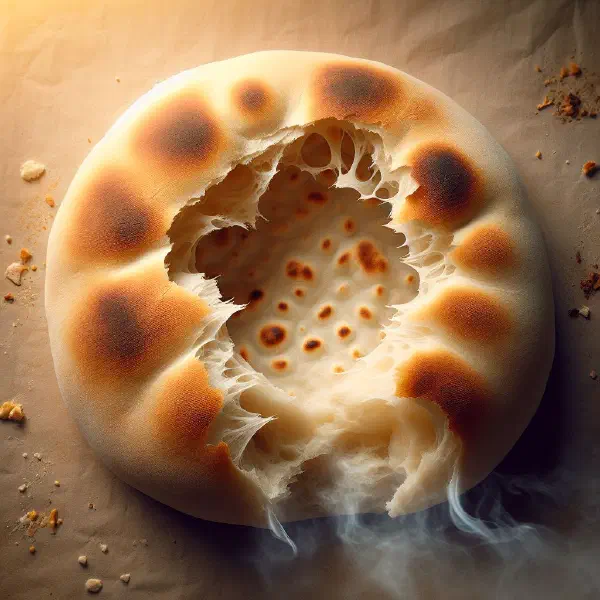
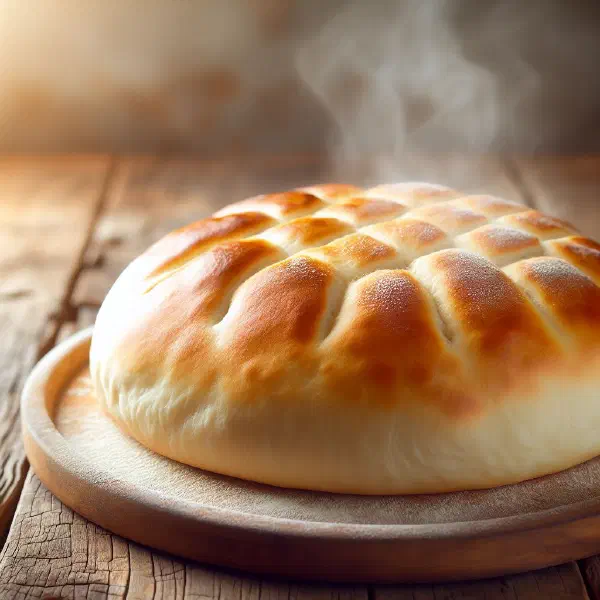
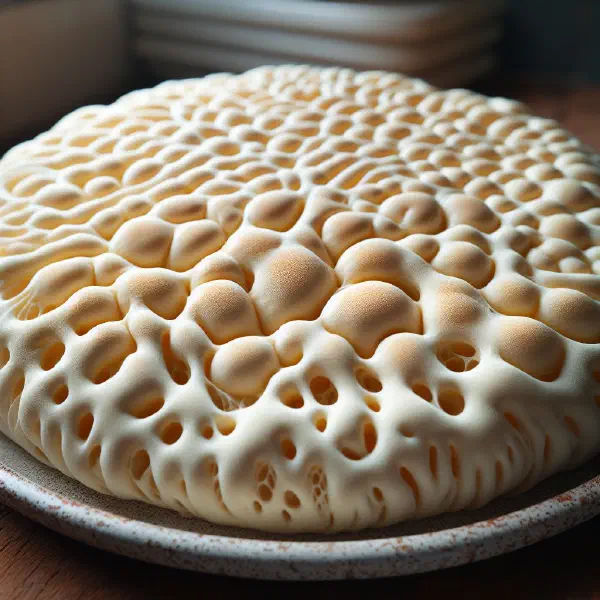
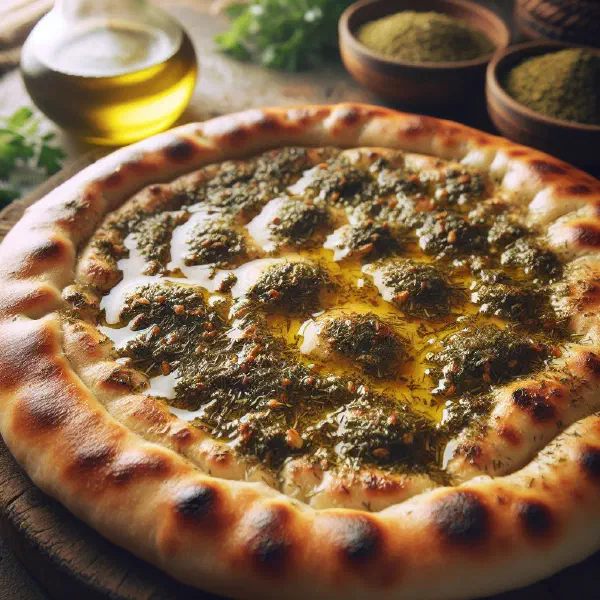
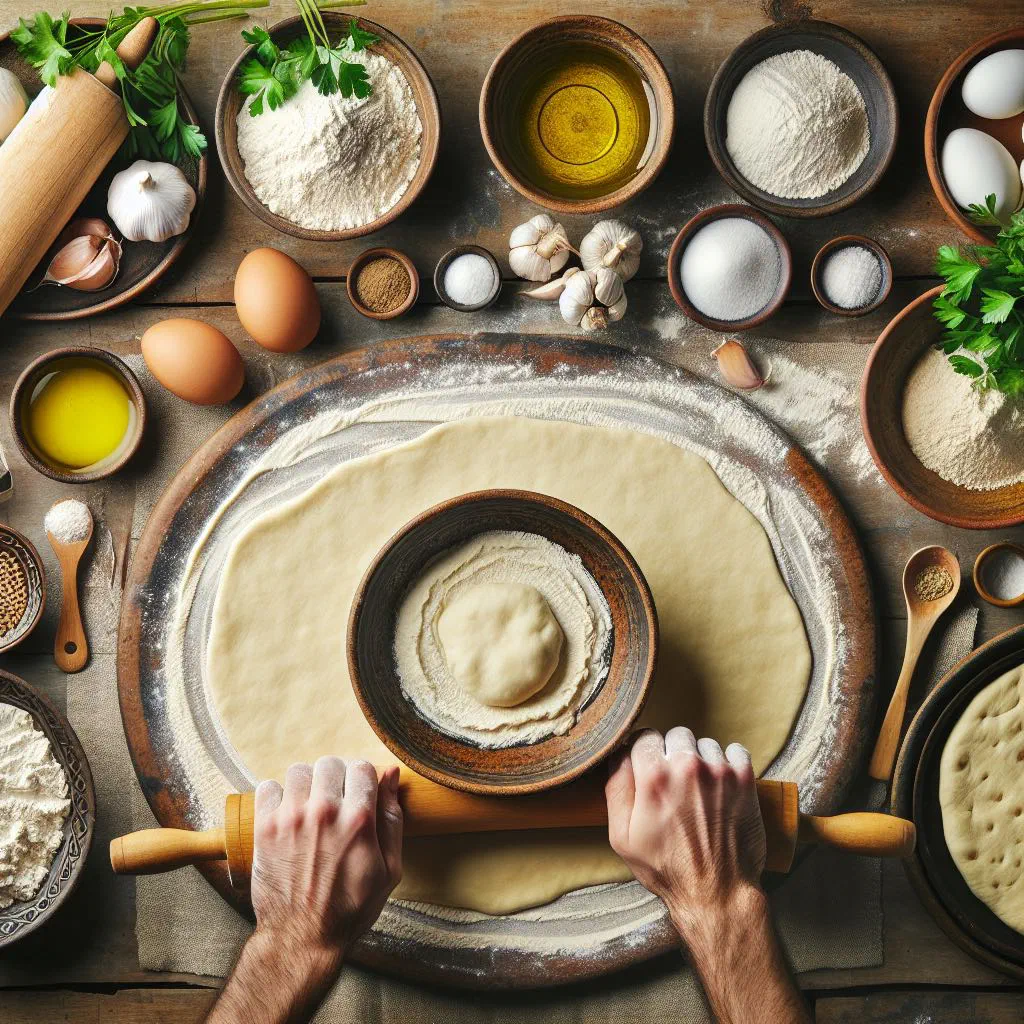
Meet Laffa, the wonderfully soft, pillowy flatbread that sits at the heart of the Israeli table. With its tender crumb and gently blistered surface, it is the perfect partner for creamy dips, spiced meats or simply a drizzle of good olive oil. Best of all, the dough asks very little of you: a handful of pantry staples and a bit of patience are all it takes to bake this Levantine classic in your own kitchen.
About Laffa
Laffa is a much-loved Israeli flatbread with its roots in the wider Levantine kitchen. It is prized for its soft, fluffy texture, which makes it the ideal accompaniment to all manner of dishes. Whether piled high beneath spiced meat dishes or torn and dipped into something rich and creamy, laffa offers endless possibilities. The preparation is refreshingly straightforward, so anyone can bake this delicious bread comfortably at home.
Ingredients (serves 1–2)
- 200 g wheat flour
- 1/2 tsp salt
- 1/2 tsp sugar
- 1 tsp dried yeast
- 120 ml warm water
- 1 tbsp olive oil
Shopping for the ingredients
For the perfect laffa, the choice of ingredients makes all the difference. Visit your local supermarket or an international grocery to find fresh, good-quality produce. Look for finely milled wheat flour to achieve that signature tender texture, and make sure the dried yeast is well within its use-by date to guarantee the best results. Like a good Pita, laffa rewards a little care at the shopping stage.
Preparing the dish
Preparing laffa is quick and fuss-free. Begin by laying out all your ingredients in one place so the whole process runs smoothly. You will need a large bowl for the dough and a clean work surface for kneading. Do check that the warm water is genuinely warm rather than hot, as excessive heat can kill the yeast and stop the dough from rising.
Step-by-step instructions
- Combine the flour, salt and sugar in a large bowl.
- Stir the yeast into the warm water and leave to rest for 5 minutes.
- Add the olive oil to the dry ingredients, followed by the yeast water.
- Knead the dough thoroughly until it is smooth and elastic (about 10 minutes).
- Cover the dough and leave it to prove in a warm place for 1 hour.
- Divide the dough into small portions and roll each into a thin round.
- Bake the flatbreads in a hot, dry pan on both sides until golden brown.
Gluten-free / lactose-free version
For a gluten-free version of laffa, you can use a gluten-free flour blend. Be sure to add binders such as guar gum or xanthan gum to hold the crumb together and keep the texture right. Making it lactose-free is even simpler: the recipe relies on olive oil rather than any dairy, so there is nothing to swap out. These small adjustments make the bread accessible to a much wider range of dietary needs.
Tips for vegans and vegetarians
The original recipe for laffa is naturally vegan, as it contains no animal products at all. To make the bread even more wholesome, try using wholemeal flour, which gives the flatbread extra fibre. You might also experiment with herbs or spices worked into the dough to give your laffa a personal touch. With very little effort it becomes a tasty and nourishing part of any meal.
More tips and tricks
To get the most out of your laffa, it helps to preheat the pan thoroughly before baking. This gives the flatbreads a lovely, lightly crisp edge. If you want to store the breads, keep them in the fridge or freeze them in an airtight container. Wrap them between layers of baking paper to stop them sticking together, so you always have a fresh-tasting flatbread on hand.
Adapting the recipe to your taste
The versatility of laffa means you can shape the recipe entirely around your own preferences. Add spices such as cumin, paprika or garlic powder to the dough for extra flavour. Experimenting with different oils, sesame oil, for example, can lead to interesting variations.
Ingredient substitutions
If you fancy a little variety, you can replace the wheat flour with spelt flour, which lends the flatbread a nuttier note. Instead of olive oil, other vegetable oils such as rapeseed or sunflower work just as well. Playing with different flours and oils can noticeably change both the texture and the flavour, so you get a slightly different result each time. Be bold and try out various combinations.
Drink pairing ideas
A refreshing drink rounds off a plate of laffa beautifully. A classic minty yoghurt shake or a fresh citrus juice pairs wonderfully with the bread. Alternatively, you might try a cool white wine or a fragrant spiced tea to complement the flavours. Choose a drink that supports the overall combination of tastes and completes your meal.
Serving and presentation ideas
To serve your laffa attractively, think about a generous arrangement on a large platter. Add colourful dips and fresh vegetables to create an appetising spread. Bringing together hummus, baba ghanoush and olives heightens the whole visual experience at the table. Present it in a handsome bread basket or on a rustic wooden board for an inviting finishing touch, perhaps alongside a bowl of Hummus or Baba Ganoush.
A bit of history
The origins of laffa are deeply rooted in Levantine and Arabic cooking, part of the same tradition that shapes so much of Israeli cuisine. It is thought to reflect a centuries-old practice of bread baking found across many cultures. Laffa is traditionally baked in a clay oven, the so-called tandoor, which lends it a distinctive flavour. This culinary link speaks to the many cultural influences that have shaped the modern Israeli kitchen.
More recipe ideas
Summary: Laffa
In short, laffa is a delicious and versatile flatbread that is ideal for all kinds of occasions. With a handful of simple ingredients and an uncomplicated method, anyone can create their own laffa at home. Let the variety and the flavours of Israeli cuisine inspire you to give it a go.