National Dish Israel: Ma'amoul (Recipe)
In this article
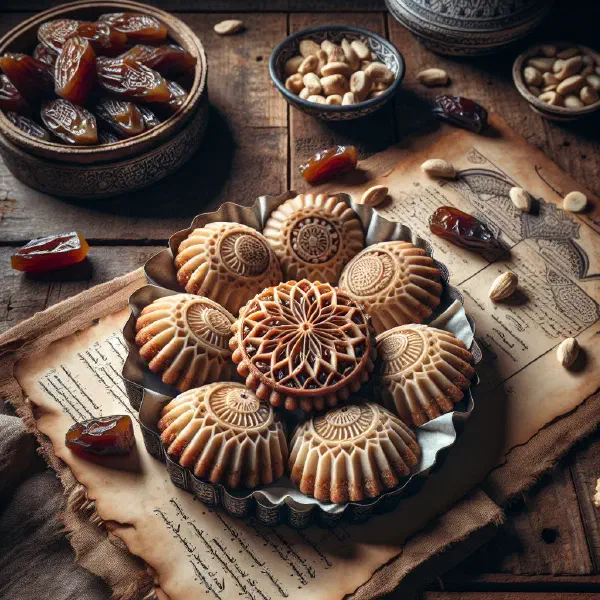
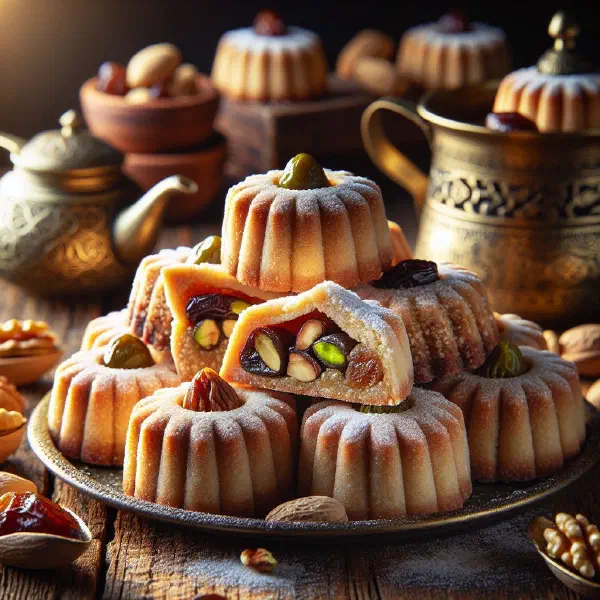
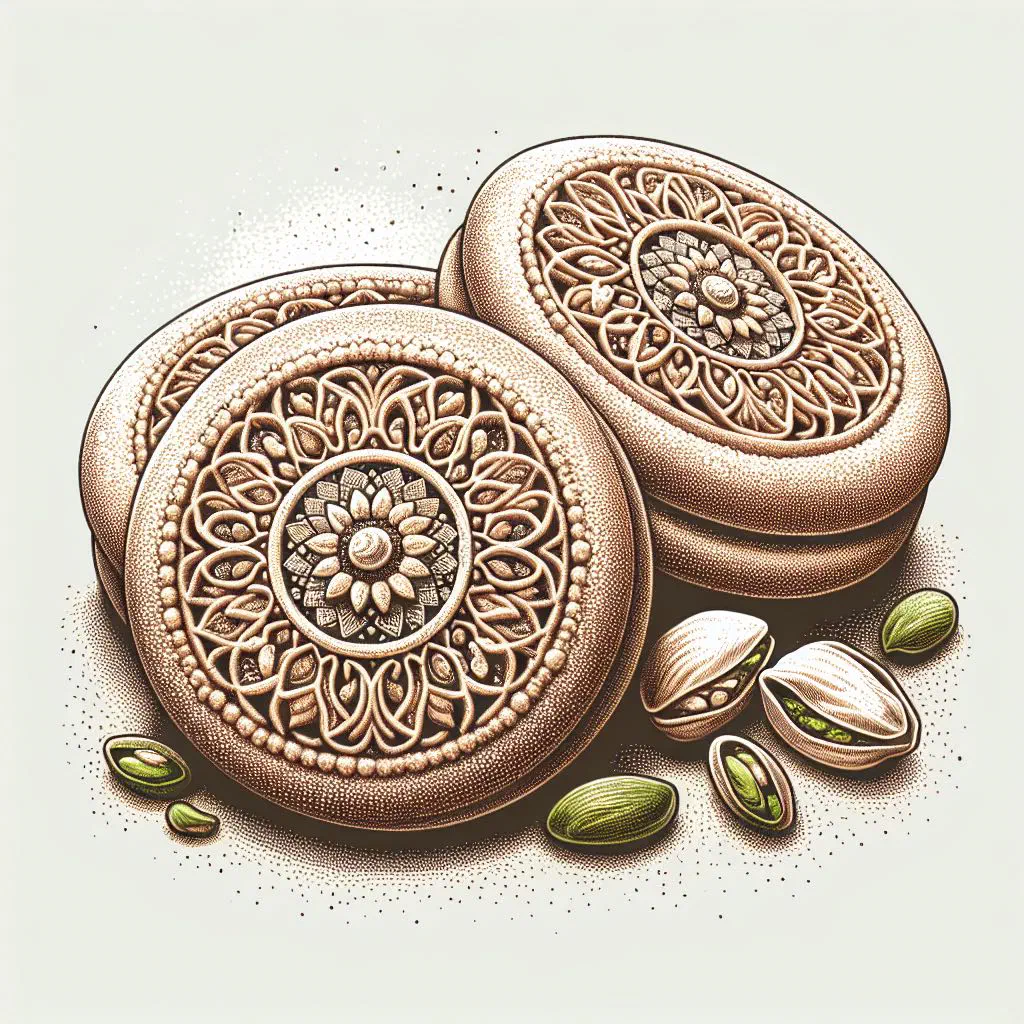
Meet Ma’amoul, the delicately filled cookies that grace tables across Israel and the wider Middle East whenever there is something to celebrate. Beneath a tender, buttery crust hides a soft filling of dates, walnuts or pistachios, each bite carrying a gentle sweetness and a whisper of warm spice. Prized for their intricate moulded patterns, these little treats are as much a feast for the eyes as for the palate. Bring a touch of festive tradition to your own kitchen with this timeless classic.
About Ma’amoul
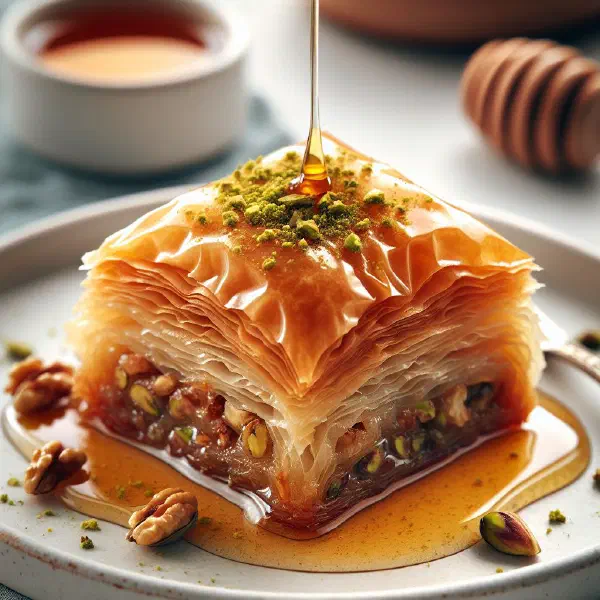
Ma’amoul is a traditional Israeli pastry, distinguished by its lovingly prepared filling and its tender, crumbly dough. These small cookies are usually filled with dates, walnuts or pistachios, delivering a unique burst of flavour in every mouthful. They are especially popular at festive occasions and often carry a symbolic role in Jewish culture. The artful, moulded design makes them a culinary pleasure and a genuine feast for the eyes, much like the syrup-soaked layers of Baklava.
Ingredients (serves 1–2)
- 250 g plain wheat flour
- 125 g butter or margarine
- 100 g dates or nuts (walnuts/pistachios)
- 70 ml water
- 1 tsp cinnamon (optional)
- Icing sugar, for dusting
Shopping for the ingredients
When shopping for the ingredients for ma’amoul, it is important to pay attention to the quality of your produce. Fresh dates and nuts are decisive for the flavour of the filling. Where possible, choose regional products to support the local food supply chain. It is also worth making sure that every ingredient suits your particular dietary needs before you begin.
Preparing the dish
Preparing ma’amoul is best done with plenty of time and care. Begin by making the filling of your choice. If you are using dates, it is a good idea to pit and purée them beforehand. Take care that the dough ingredients are well chilled, as this leads to a wonderfully light and tender dough that is easy to shape.
Step-by-step instructions
- Tip the flour into a large bowl and add the softened butter or margarine.
- Pour in the water, add a pinch of salt, and knead everything into a smooth dough.
- Leave the dough to rest in the fridge for about 30 minutes to improve its texture.
- Meanwhile, prepare your chosen filling of dates or nuts.
- Divide the dough into small portions, place the filling in the centre and seal the dough over the top.
- Arrange the shaped cookies on a baking tray and bake at 180 degrees Celsius for about 15–20 minutes, until golden brown.
- Once baked, dust the cookies with icing sugar and leave them to cool.
Gluten-free / lactose-free version
For a gluten-free or lactose-free version of ma’amoul, you can use special flours such as rice flour or almond flour. These replace the traditional wheat flour and deliver a similar taste. When it comes to the fat, a plant-based oil or a lactose-free margarine works well in place of butter. These tweaks open the recipe up to people with intolerances and bring new textures and flavours to the cookies.
Tips for vegans and vegetarians
For vegans, swapping the butter for a plant-based fat is a straightforward option. The filling can also be varied by adding extra dried fruit such as apricots or figs alongside the dates. The method for the dough stays exactly the same, even when the result is entirely plant-based. Alternatives like these mean everyone can enjoy the pastry without compromising on their ethical choices.
More tips and tricks
One important tip for especially flavoursome ma’amoul is to knead the dough thoroughly for a perfect consistency. It also helps to taste the fillings beforehand and adjust them, if needed, with spices or a little honey. Let the cookies cool well after baking, as they become even more aromatic and flavourful once rested. The perfect cookie offers a lightly crisp exterior with a tender, soft centre.
Adapting the recipe to your taste
The wonderful thing about ma’amoul is just how adaptable it is. You can use different combinations of nuts and dried fruit to match your own taste. Beyond that, you can experiment with the spices, adding ingredients such as cardamom or cloves to unlock extra layers of aroma. Changes like these make the recipe your own and help honour the cultures and traditions bound up with this pastry.
Ingredient substitutions
There are plenty of alternatives to some of the traditional ingredients. Coconut oil or avocado oil, for instance, can stand in for butter to create a lighter option. If you would rather cut down on sugar, agave syrup or maple syrup make excellent natural sweeteners, a trick that also works beautifully in Knafeh. Creative substitutions like these let you discover new flavours and keep the pastry varied.
Drink pairing ideas
A wide range of drinks pairs beautifully with ma’amoul. For a classic experience, serve Arabic coffee or a fragrant tea to balance the sweetness of the cookies. Alternatively, fresh juices such as pomegranate juice or lemonade can echo the flavours of the pastry and provide a refreshing accompaniment. You might also consider whether a good wine or a dessert wine would suit your festive spread.
Serving and presentation ideas
To present your ma’amoul at their best, arrange the cookies on a decorative plate and dust them with icing sugar. A pretty table setting and perhaps a few fresh mint leaves add the finishing touch. Another lovely serving idea is to pack the cookies into small bags tied with an attractive ribbon before serving. Details like these help lend every celebration a special note.
A bit of history
The origins of ma’amoul reach far back and are rooted in the culinary traditions of the Levant and the wider Middle East. These cookies are traditionally made for festivals such as Passover or Eid al-Fitr. Historically, they symbolise a culinary pleasure and the exchange of culture and tradition. Generations have passed this recipe down, building a bridge between past and present that still shapes Israeli cuisine today.
More recipe ideas
Summary: Ma’amoul
Ma’amoul is a delicious pastry and a piece of cultural heritage that brings the flavours of Israel into your kitchen. With its versatile filling and the freedom to adapt it to different dietary needs, it is a true pleasure for every palate. Whether at festive occasions or simply for the joy of it, ma’amoul quickly becomes a favourite. Let the tips and tricks above inspire you to make this recipe a success in your own home.