National Dish Israel: Malabi (Recipe)
In this article
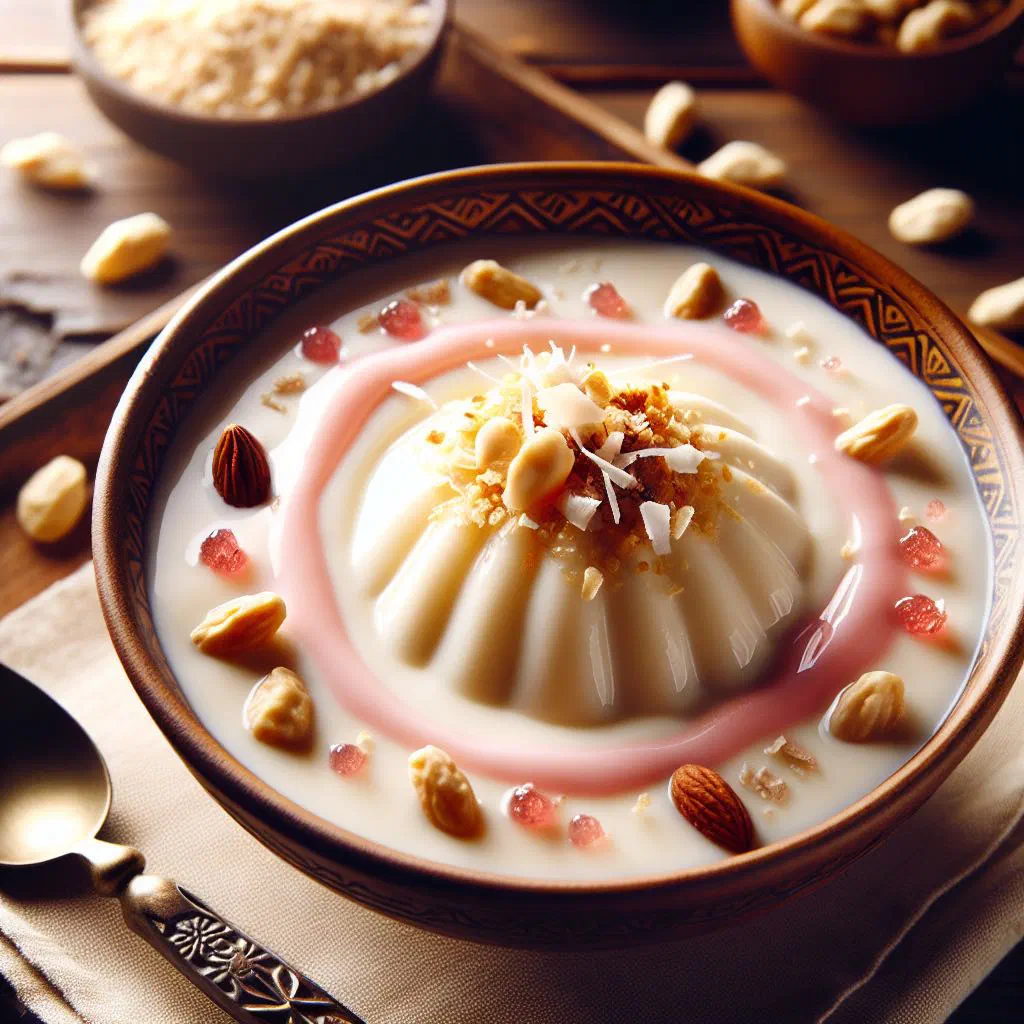
Discover Malabi, one of Israel’s most beloved desserts. This silky milk pudding enchants with the delicate perfume of rose water and a glossy crown of fruity syrup. Light, floral and very creamy, it is the kind of sweet that rounds off a festive meal in the most elegant way. With just a handful of everyday ingredients, you can bring a taste of Israeli hospitality straight to your own table.
About Malabi
Malabi is a traditional Israeli dessert prized for its creamy consistency and the unmistakable flavour of rose water. It is not only cherished in Israel but has won admirers all around the world. A garnish of nuts and fruity syrups gives the dish that special something and turns it into a real feast for the eyes. Its tender texture and floral aroma make Malabi the perfect finish to any celebratory meal.
Ingredients (serves 1–2)
- 500 ml milk or a plant-based milk alternative
- 40 g sugar
- 30 g cornflour
- 1–2 teaspoons rose water
- A pinch of salt
- To garnish: fruit syrup, chopped nuts or fresh fruit
Shopping for the ingredients
When shopping for the ingredients for Malabi, it is well worth paying attention to the quality of what you buy. For an authentic note, choose a good-quality rose water, as this shapes the flavour more than anything else. The milk can of course be swapped for plant-based alternatives such as almond or oat milk, which also makes the dessert suitable for dairy-free diets. Make sure, too, that you have fresh fruit syrup or freshly chopped nuts ready for the garnish.
Preparing the dish
Preparing Malabi is quick and straightforward. First, have all your ingredients within easy reach so the cooking process runs smoothly. Take care when choosing nuts to keep any allergic reactions in mind, and offer alternatives where needed. It is also a good idea to prepare the syrups and garnishes in advance, so you can assemble everything the moment the pudding is cooked.
Step-by-step instructions
- In a saucepan, heat the milk (or plant-based alternative) together with the sugar and a pinch of salt.
- In a separate bowl, mix the cornflour with a little milk until it is smooth and lump-free.
- Once the milk begins to boil, add the cornflour mixture and stir well.
- Stir in the rose water and bring the mixture to the boil, stirring constantly, until it thickens.
- Pour the finished mixture into bowls or glasses and leave to cool. Chill in the fridge until set.
- Before serving, garnish to taste with fruit syrup, chopped nuts or fresh fruit.
Gluten-free / lactose-free version
Malabi is easily made gluten-free and lactose-free. Simply use a gluten-free starch such as potato starch in place of the usual cornflour. Be sure to use lactose-free milk or a plant-based milk alternative such as almond milk or oat milk. That way the indulgence stays intact, without having to give up the tender texture or the delicious flavour.
Tips for vegans and vegetarians
For vegans, Malabi is easy to adapt. Enjoy this dessert by replacing the milk with a plant-based alternative and making sure the syrup you use is also free of animal products. Agave nectar or maple syrup work especially well as sweeteners here. A garnish of chopped nuts or fresh fruit adds extra layers of flavour that round the dish off beautifully.
More tips and tricks
A few tips and tricks can help you refine your Malabi even further. Experiment with the amount of rose water to tune the flavour to your liking. Too much can quickly become overwhelming, while a touch extra lends the dessert a lovely note. Chilling in the fridge is crucial for the right consistency, so be patient before serving. A pinch of cinnamon or a hint of cardamom can also give the pudding an intriguing twist.
Adapting the recipe to your taste
Adapting the recipe to personal preference is a wonderful way to make Malabi your own. You can experiment with different syrups, from pomegranate syrup to mango or lime. The garnish can vary too: try mint or coconut flakes for a fresh kick. Just make sure the consistency stays creamy, whatever ingredients you choose, so the Malabi keeps its characteristic feel.
Ingredient substitutions
If some ingredients are not to hand, there are plenty of alternatives. In place of sugar you could use coconut sugar or stevia to lower the calorie count. For the plant milk there is a wealth of options, from soya and coconut to cashew milk. When it comes to the garnish there are no limits to your creativity. Try frozen berries or chocolate sauce for a particularly decadent dessert.
Drink pairing ideas
To turn Malabi into a complete experience, you can serve well-matched drinks alongside. A mild mint tea is enough to complement the aromas, while a freshly squeezed orange juice or a rose lemonade is wonderfully refreshing. If you prefer something a little stronger, a liqueur-based cocktail pairs nicely too. Here you can get creative and tailor the drinks to your guests.
Serving and presentation ideas
Presentation matters a great deal, especially with desserts like Malabi. Serve it in beautiful, clear glasses so the layers are on show. To garnish, use fresh mint leaves or small cinnamon sticks to give the dish that special touch. Experiment with the plating too, perhaps drizzle a fine thread of syrup for a creative flourish. This attention to detail is part of what makes Israeli cuisine so inviting.
A bit of history
Malabi has a long and fascinating history. The roots of this dessert reach back into Arab cuisine, where similar puddings are traditionally served. In Israel it has become a much-loved dish, both in restaurants and at festive gatherings. This dessert symbolises the pleasure of sweet treats and the cultural connections between different peoples and traditions.
More recipe ideas
Summary: Malabi
Malabi is a seductive pudding that charms with its floral flavour and creamy texture. With a few simple tweaks the recipe is easy to vary and adapt to different dietary needs. The many options for garnishing, along with the presentation, make Malabi a highlight of any meal. In the end it is not merely a dessert but a truly cultural experience, one that appeals to the senses and tells a story.