National Dish Israel: Malawach (Recipe)
In this article
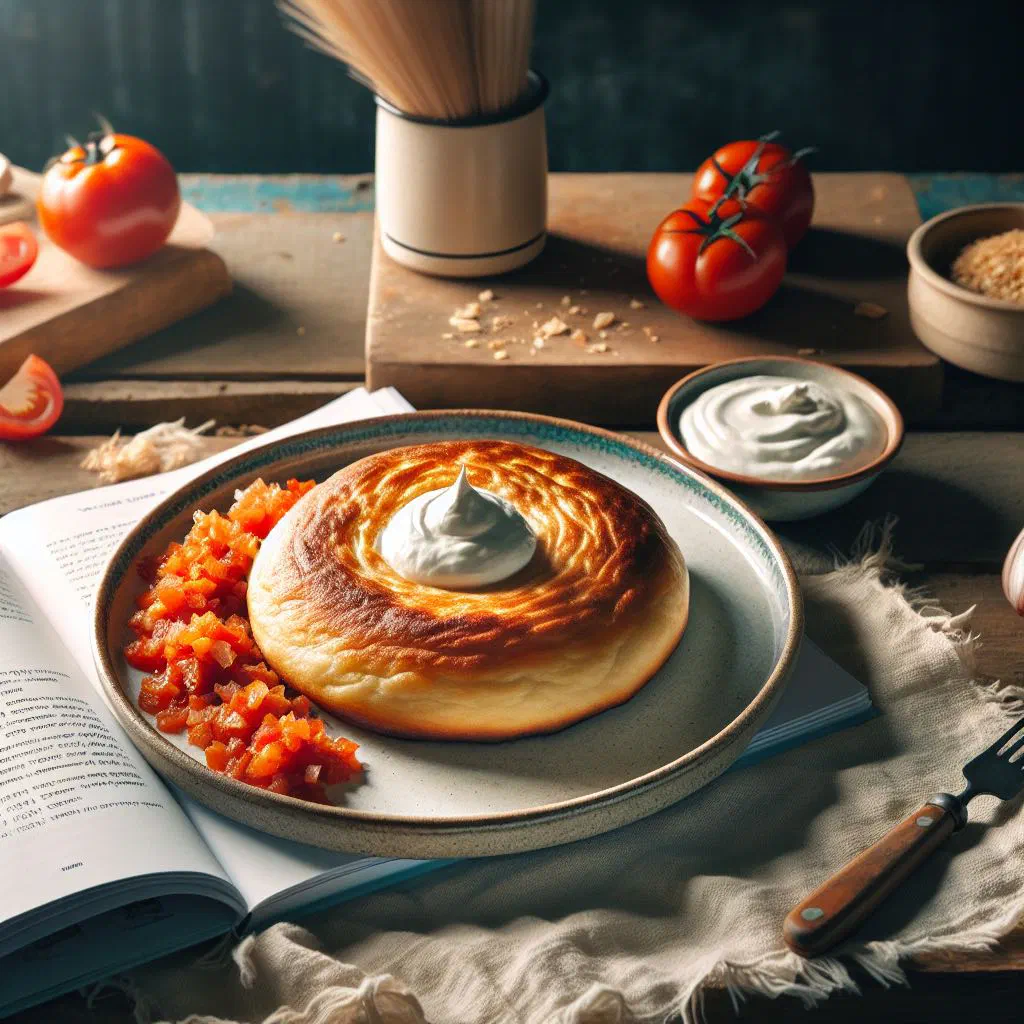
Discover Malawach, one of Israel’s most comforting breads and a treasured legacy of Yemenite Jewish cooking. Flaky, buttery and shatteringly crisp, this pan-fried flatbread is equally at home drizzled with honey for breakfast or served with eggs and a punchy tomato sauce for a heartier meal. With just a handful of ingredients and a little patience, you can bring a slice of this cherished tradition straight to your own kitchen.
About Malawach
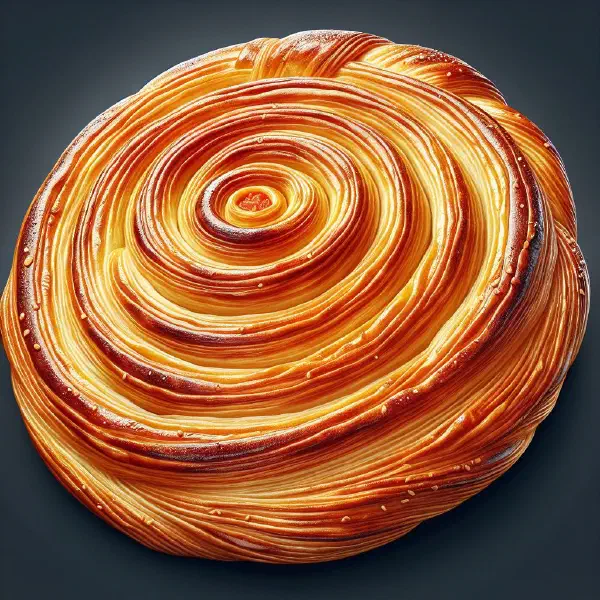
Malawach is a traditional Israeli dish made from layered, flaky dough and typically served with an array of dips and accompaniments. Its roots lie firmly in Yemenite cuisine, and it is celebrated for its crisp texture and wonderfully buttery flavour. Enjoyed both as a breakfast and as a main course, malawach lends itself to countless variations. It promises a memorable taste experience.
Ingredients (serves 1–2)
- 200 g plain flour
- 100 ml water
- 50 g butter or margarine
- 1 tsp salt
- 1 tbsp honey (optional)
Shopping for the ingredients
When shopping for the ingredients for malawach, it is worth choosing good-quality produce to get the very best flavour. The flour should be as fresh as possible, since it forms the foundation of the dish. The butter or margarine plays a decisive role in the preparation, as it gives the bread its pleasing, flaky texture. Bear in mind, too, that the honey is optional; adding it, though, turns malawach into a good sweet snack.
Preparing the dish
Preparing malawach is straightforward and takes only a few steps. First, you need to combine the ingredients and work them into a smooth dough. Leave the dough to rest for about 30 minutes so the gluten can relax. This makes it far easier to roll out and helps create the lovely layers as it fries.
Step-by-step instructions
- Combine the flour, water, salt and optional honey in a bowl and knead into a smooth dough.
- Divide the dough into two portions and shape each one into a flat disc.
- Brush the discs with melted butter, stack them, then wrap in cling film. Leave to rest for around 30 minutes.
- After resting, roll out each portion thinly and pan-fry in a hot pan with a little butter until golden brown and crisp.
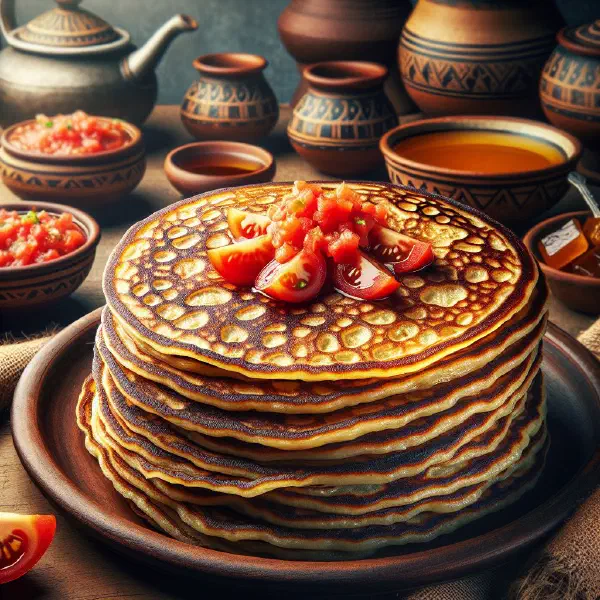
- Serve the malawach as you like — with eggs, tomato sauce or honey.
Gluten-free / lactose-free version
If you would like to make a gluten-free version of malawach, you can use a special gluten-free flour. A ready-made flour blend usually works well and rolls out nicely. For a lactose-free preparation, simply swap the butter for a plant-based fat or olive oil. The result stays every bit as delicious, even without the traditional ingredients.
Tips for vegans and vegetarians
For vegans, it is important to leave out all animal products when making malawach. Instead of butter, you can use a vegan margarine that offers a similar consistency and flavour. Serving it with a spread of fresh vegetables and plant-based dips also makes for a tasty change. That way the dish stays wonderfully moreish while meeting the needs of a vegan diet.
More tips and tricks
A few simple tips can make malawach even more enjoyable. Make sure the pan is properly hot before you add the dough; this is the secret to a perfect crispness. You can also work an extra layer of margarine into the dough as you roll it out to boost the flakiness even further. It is worth experimenting with different spices in the dough, too, to give it a distinctive touch.
Adapting the recipe to your taste
The malawach recipe is wonderfully adaptable. You can add all manner of herbs and spices to the dough to build in extra aromas. Beyond that, you can vary the accompaniments and choose either sweet or savoury options. Experimenting with different dips, such as hummus or avocado, can open up interesting new flavour combinations as well.
Ingredient substitutions
If certain ingredients are not to hand, there are usually suitable alternatives. Instead of water, for example, you might use stock to give the dough more flavour. When fresh vegetables are in short supply, frozen options make a quick and practical solution. Using different types of flour, such as spelt or oat flour, can also create exciting variations in taste, the same spirit of adaptation that lifts a good Falafel.
Drink pairing ideas
There are plenty of drink options to round out your malawach. A freshly squeezed orange juice or a herbal tea offers a pleasant refreshment and harmonises beautifully with the flavours of the dish. Alternatively, you could serve a cool glass of ayran, a yoghurt drink especially popular in Israeli restaurants. These pairings all help to lift the overall tasting experience.
Serving and presentation ideas
The presentation of malawach can add greatly to the pleasure of eating it. Serve the dish on a large plate for an inviting look. You can arrange a selection of dips in small bowls and garnish with fresh herbs. It also helps to cut the malawach into quarters, making it easier to serve and enjoy. A dollop of hummus or a spoonful of tangy matbucha on the side never goes amiss.
A bit of history
Malawach has a history that stretches back to the Jewish immigrants who came from Yemen. Over time the dish grew ever more popular in Israel and is today a firm fixture of Israeli cuisine. It is often served on festive occasions and carries real cultural significance. Preparing and sharing malawach on special days is part of a deeply rooted tradition, much like other cornerstones of Israeli cuisine.
More recipe ideas
Summary: Malawach
All in all, malawach is a wonderful example of the varied and delicious world of Israeli cooking. Sweet or savoury, this dish is simple to prepare and a genuine joy to make. It leaves plenty of room for creativity and for tailoring to personal taste, which makes it a superb choice for any occasion. Give it a go and bring a piece of cultural tradition into your own kitchen with malawach.