National Dish Israel: Mutabbal with Tahini (Recipe)
In this article
Meet Mutabbal, a silky aubergine dip that carries the smoky, sun-soaked flavours of the Middle East straight to your table. Whipped smooth with nutty tahini, bright lemon and a hint of garlic, it strikes a perfect balance between rich and refreshing. This simple mezze staple is guaranteed to win over anyone who loves generous, easy-going Mediterranean food.
About Mutabbal
Mutabbal is a traditional Israeli dish with roots that stretch right across the Middle East. At its heart is a wonderfully smooth aubergine purée, prized above all for the smoky character it takes on when the aubergines are charred over an open flame. That velvety texture comes from a generous spoonful of tahini and a squeeze of fresh citrus, which lends the whole thing a bright, refreshing lift. Served as a dip for pita or as a side to grilled dishes, mutabbal is both effortless to make and a genuine treat for anyone who loves Mediterranean cooking.
Ingredients (serves 1–2)
- 1 large aubergine
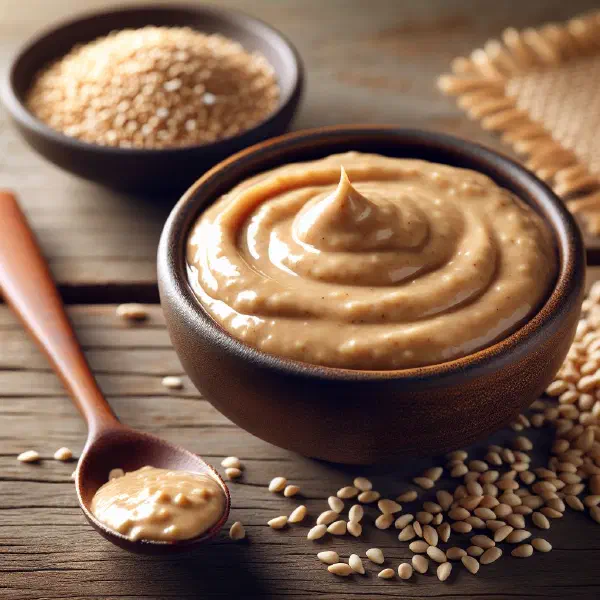
- 2–3 tablespoons tahini (sesame paste)
- 1–2 cloves garlic, crushed
- Juice of 1 lemon
- Salt to taste
- Olive oil, for drizzling
- Fresh coriander or parsley, to garnish (optional)
Shopping for the ingredients
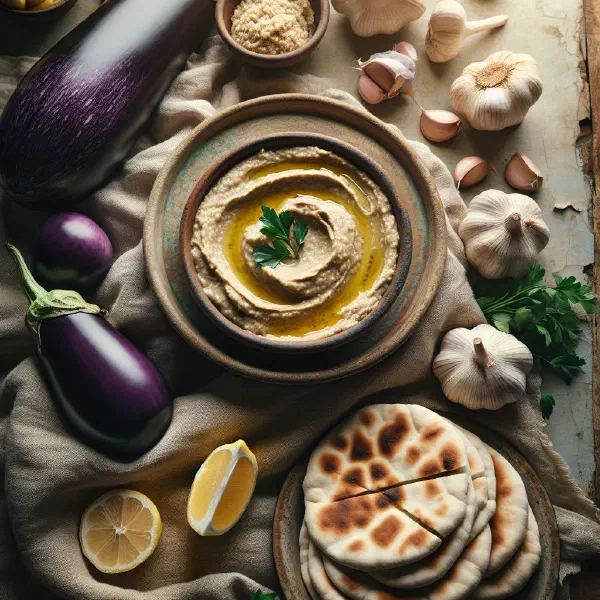
To gather the right ingredients for your mutabbal, your best bet is a local farmers’ market or a Middle Eastern grocery. Look for fresh aubergines that feel firm and plump with glossy skin. Choose a good-quality tahini, as it makes all the difference to the final flavour, and reach for a decent olive oil too. It can noticeably improve the taste of the finished dish. Many of these ingredients also form the backbone of classics like Baba Ganoush and Hummus.
Preparing the dish
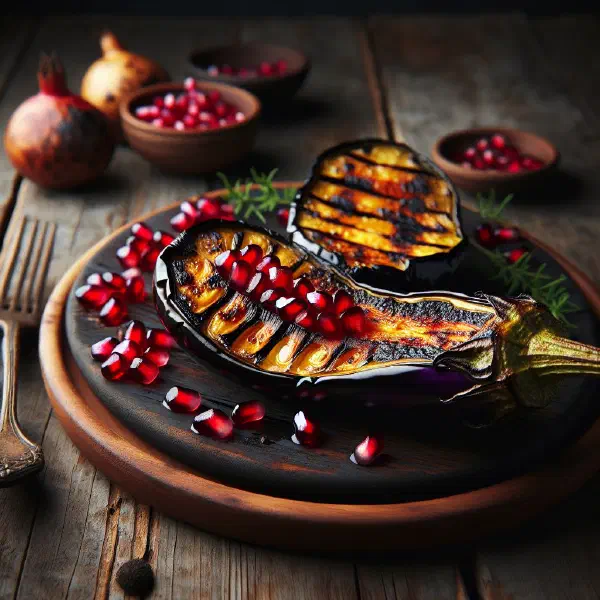
Making mutabbal begins with roasting the aubergine to give it that signature smoky flavour. You can char it either on the grill or in the oven, whichever suits you. Be sure to prick the skin lightly with a fork so it does not burst while roasting. Once cooked, let the aubergine cool a little before scooping the soft flesh out of the skin.
Step-by-step instructions
- Roast the aubergine over an open flame or in the oven until the skin is blackened and the flesh turns soft.
- Scoop out the aubergine flesh and transfer it to a bowl.
- Add the tahini, crushed garlic, lemon juice and salt.
- Blend everything with a stick blender or mash with a fork until you reach a creamy consistency.
- Taste the mutabbal and adjust to your liking with more salt or lemon juice.
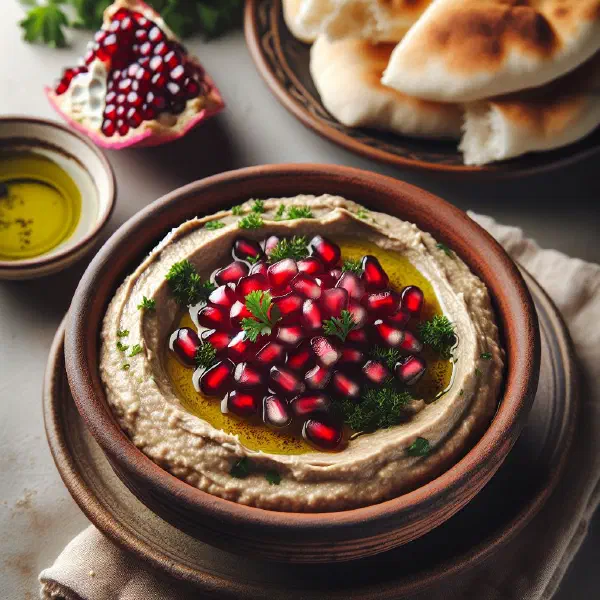
- Serve the mutabbal in a bowl, drizzle over a little olive oil and garnish, if you like, with fresh coriander or parsley.
Gluten-free / lactose-free version
Mutabbal is naturally gluten-free and lactose-free, since its main ingredients are aubergine, tahini and lemon juice. If you want to keep the accompaniments gluten-free, simply serve it with gluten-free Pita or crunchy vegetable sticks. The dish is ideal for anyone with intolerances, so you and your guests can tuck in without a second thought. As always, check the labels on your ingredients to make sure they are certified gluten-free.
Tips for vegans and vegetarians
Mutabbal is a perfect choice for vegans and vegetarians, as it contains no animal products whatsoever. For nibbling between courses, offer creative sides such as crisp raw vegetables or crunchy crackers. It is worth remembering that fresh, high-quality ingredients dramatically improve the flavour of the dish. Pair it with a green salad or a bowl of Tabouleh to round it out into a balanced meal.
More tips and tricks
To coax the very best flavour out of your mutabbal, let it rest for a while after mixing. This gives the aromas time to develop fully. If the dip turns out too thick, loosen it with a little extra olive oil or lemon juice. You can also experiment with spices such as cumin or paprika for a personal twist. It is a brilliant option for parties or as a snack for relaxed gatherings.
Adapting the recipe to your taste
The versatility of mutabbal leaves plenty of room for flavourful variations. Depending on your taste, you can stir in herbs like mint or thyme to give the purée a personal touch. You might also vary the amount of garlic to suit your appetite for bold, punchy flavours. The ratio of tahini to lemon juice can be tweaked as well, so everyone can strike the balance that works best for them.
Ingredient substitutions
If you do not have tahini to hand, you can also use other nut butters such as almond or cashew butter, which lend a similarly delicious, nutty note. For a lighter version, stir in a little Greek yoghurt to give the dish a creamy texture, though this does mean it is no longer vegan. Choose your additions so that they support the overall balance and aroma of the dish. That way mutabbal stays both varied and wholesome, much like the Grilled Eggplant served across the region.
Drink pairing ideas
A delicious mutabbal calls for refreshing drinks that complement its flavour. A light, sparkling mineral water or a cooling mint tea make ideal companions. If you prefer something alcoholic, a well-chilled beer or a light white wine works beautifully.
Serving and presentation ideas
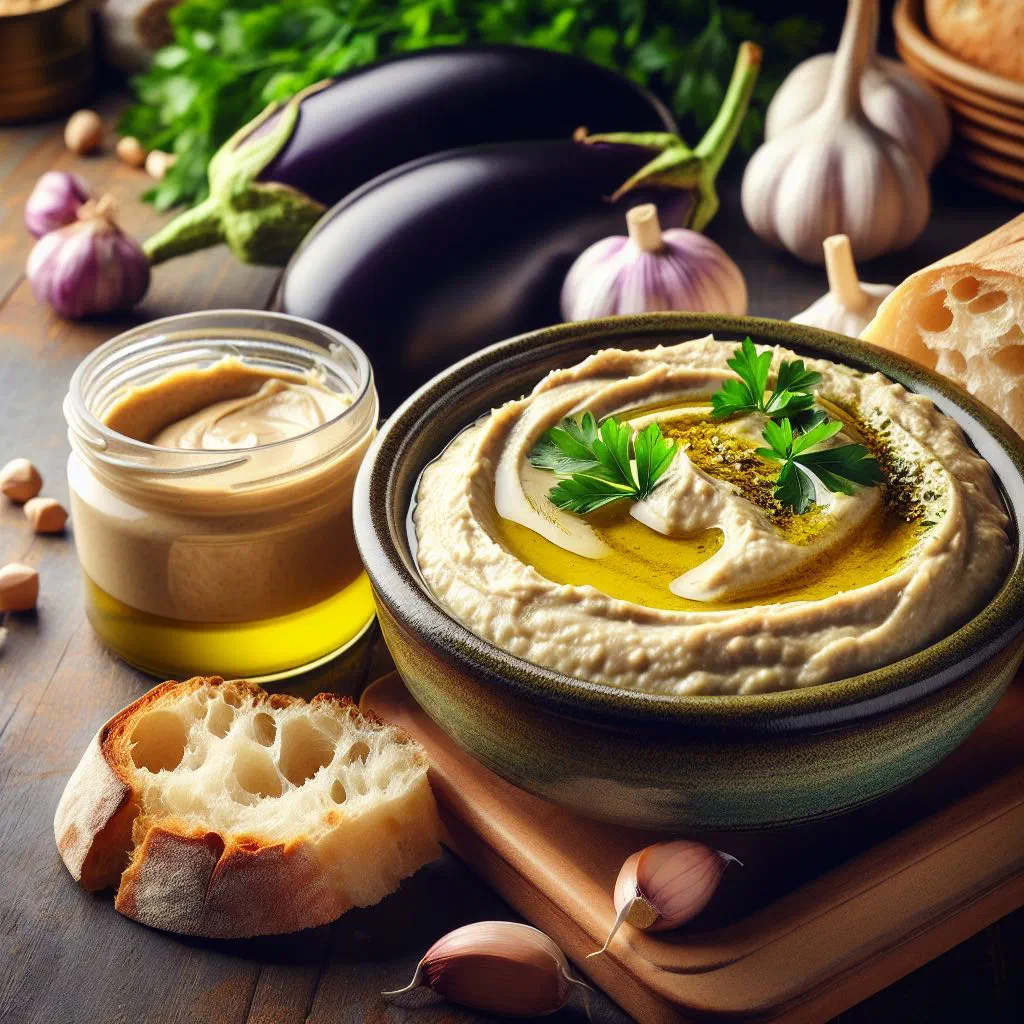
The way you present your mutabbal can seriously enhance the enjoyment of it. Serve the purée in a colourful bowl and garnish generously with olive oil, fresh herbs or even a scattering of toasted nuts. It looks especially inviting placed on a rustic wooden board, rounded out with sliced pita and fresh vegetables. An appealing arrangement makes the meal look lovelier and whets your guests’ appetite straight away.
A bit of history
Mutabbal has a long history in the Middle East, where the dish is often served as part of a mezze spread. The origins of this much-loved dip lie in several cultures, including Arab, Jewish and Turkish traditions. Over the years the recipe has evolved, but the smoky flavour and creamy texture have endured. Mutabbal is a treat for the palate and a piece of cultural heritage, celebrated through its preparation and shared enjoyment, a fine example of Israeli cuisine.
More recipe ideas
Summary: Mutabbal with Tahini
To sum up, mutabbal is a versatile and flavour-packed dish that brings the tastes of the Middle East into your own home. With its simple yet high-quality ingredients, it suits food lovers and health-conscious cooks alike. Give this recipe a go and discover the joy of one of the region’s most delicious traditional dishes.