National Dish Israel: Pita (Recipe)
In this article
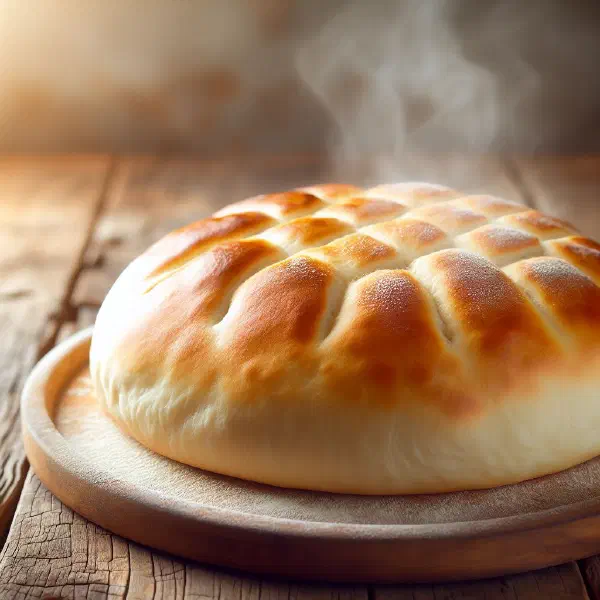
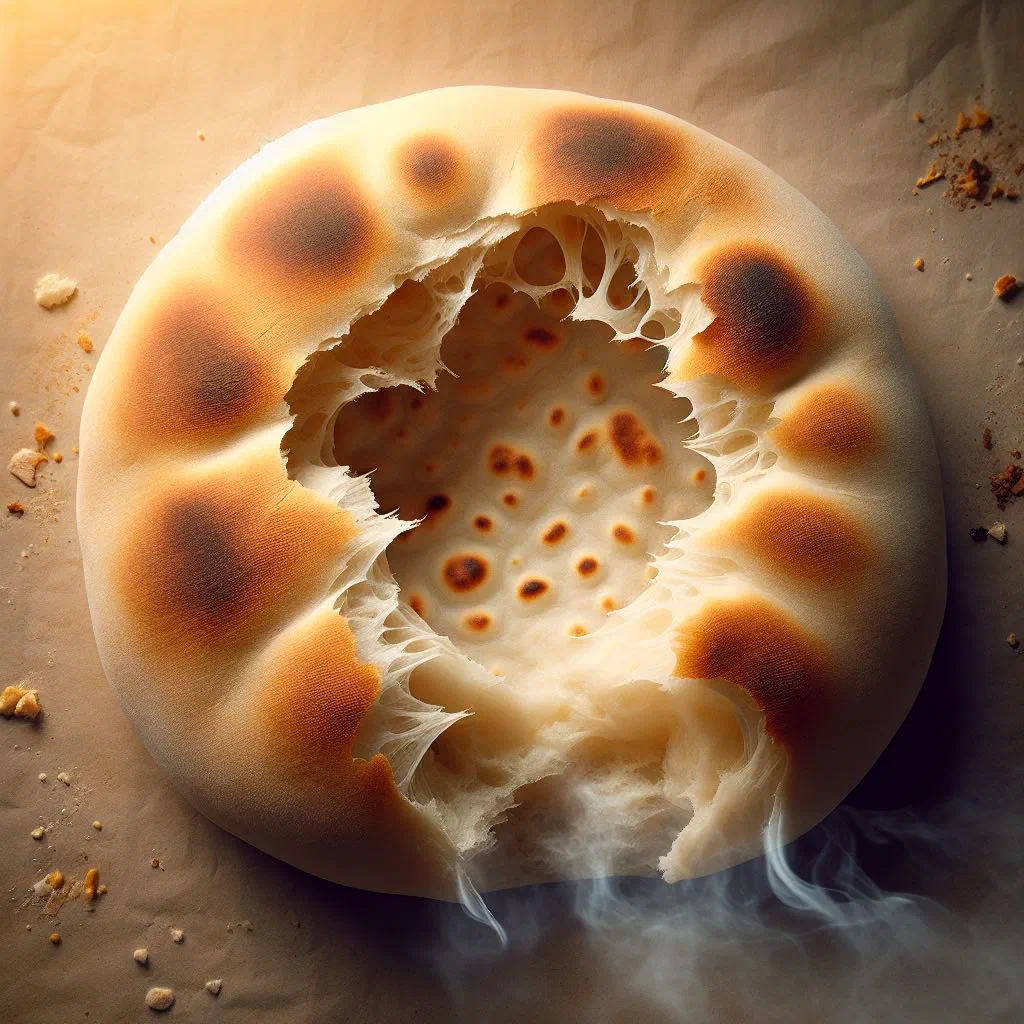
Discover Pita, one of the great staples of Israeli cooking. These soft, pillowy flatbreads bake up with a crisp outer crust and an airy pocket inside that practically begs to be stuffed. Fill them with roasted vegetables, grilled meat or a generous swipe of hummus, and you have a meal that captures the warmth and generosity of the Middle Eastern table. Simple to make at home, pita brings a little of Israel’s bright food culture straight to your kitchen.
About Pita
Pita is a traditional bread with roots deep in Middle Eastern cooking, and it is especially treasured in Israel. These flat loaves are known for their crisp outer layer and a soft, airy inside that makes them perfect for filling. Preparing pita is something of an art, passed down through many cultures over the centuries. Enjoy the sheer versatility of this bread and experiment with different fillings to create your own personal flavour combination.
Ingredients (serves 1–2)
- 250 g plain wheat flour (or gluten-free flour)
- 1 sachet dried yeast (7 g)
- 1 teaspoon sugar
- 1 teaspoon salt
- 150 ml warm water
- 1 tablespoon olive oil
Shopping for the ingredients
The ingredients for pita are easy to find in any supermarket. When choosing your flour, decide in advance whether you need a gluten-free option or not. Shopping for fresh ingredients matters, because quality has a big influence on the flavour of the finished bread. Pick a good olive oil in particular, as it does a lot to lift the aroma of the pita.
Preparing the dish
Before you begin, set up a suitable working space in your kitchen. Make sure all your ingredients and tools, a mixing bowl, a wooden spoon and a baking tray, are ready to hand. It also helps to preheat the oven so the pita bakes evenly. Take your time activating the yeast properly, as this step is key to getting the perfect texture in the bread.
Step-by-step instructions
- Combine the yeast, sugar and warm water in a bowl and leave for 5 minutes until frothy.
- Mix the flour and salt in a large bowl, then add the yeast mixture and the olive oil.
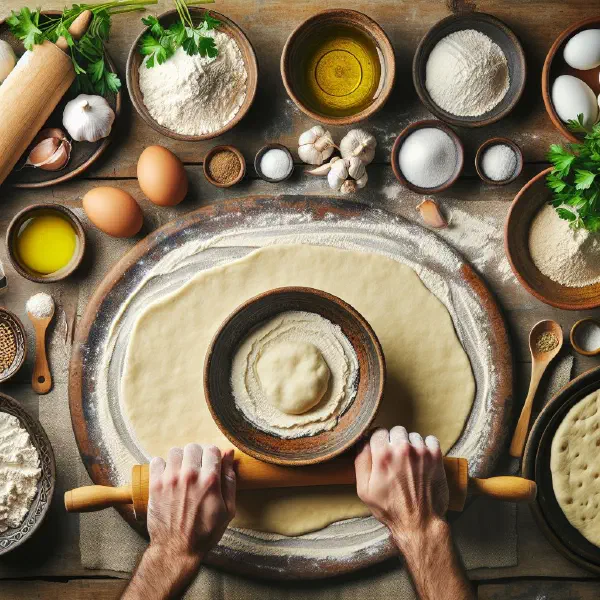
- Knead the dough thoroughly until it is soft and elastic (about 10 minutes).
- Cover the dough with a thin film of oil and leave to rise in a warm place for about 1 hour, until doubled in size.
- Turn the dough out onto a floured surface, divide into portions and roll out into small rounds.
- Place the rounds on a baking tray and bake in the preheated oven at 220°C for about 5–7 minutes, until puffed and lightly golden.
Gluten-free / lactose-free version
For a gluten-free version of pita, use a gluten-free flour that is designed for bread baking. Take care to choose all the other ingredients gluten-free as well. This recipe is naturally lactose-free, since the only fat is olive oil and the remaining ingredients contain no dairy at all. It is worth following tried-and-tested recipes to make sure you keep the right consistency and flavour.
Tips for vegans and vegetarians
Pita is naturally vegan, as it contains no animal products whatsoever. You can pair your pita with all sorts of vegetable-rich or plant-based fillings to build a delicious meal. Try fillings such as roasted chickpeas, avocado and crisp salad for a nourishing plate, the same wholesome spirit you will find in a bowl of Hummus. Just remember to keep any dips vegan too.
More tips and tricks
To make sure your pita puffs up beautifully, avoid over-kneading the dough, as this can weaken its structure. Preheat the oven thoroughly, since a hot oven encourages that lovely crisp crust. Experiment with different herbs and spices in the dough to add a distinctive touch. After baking, let the pita cool on a wire rack so it keeps its shape and texture.
Adapting the recipe to your taste
The beauty of pita lies in its versatility. You can adjust the amount of salt or use different types of flour to vary the texture. Add spices such as cumin or paprika for a special twist. If you prefer a slightly sweeter bread, work a tablespoon of honey or agave syrup into the dough.
Ingredient substitutions
If you would rather not use wheat flour, there are plenty of alternatives such as rice flour, chickpea flour or almond flour. The yeast can even be replaced with a splash of beer for a crustier finish. Adjust the quantities as needed to reach the consistency you want. Swaps like these are a great way to adapt the pita to different regional kitchens.
Drink pairing ideas
Freshly made fruit syrups or a tangy lemonade pair perfectly with pita. An aromatic mint tea is another excellent choice, rounding out the flavours of your chosen fillings. Alternatively, serve a glass of wine or a light beer to turn the meal into a fuller dining experience. Just pick a drink that does not overpower the delicate flavour of the bread itself.
Serving and presentation ideas
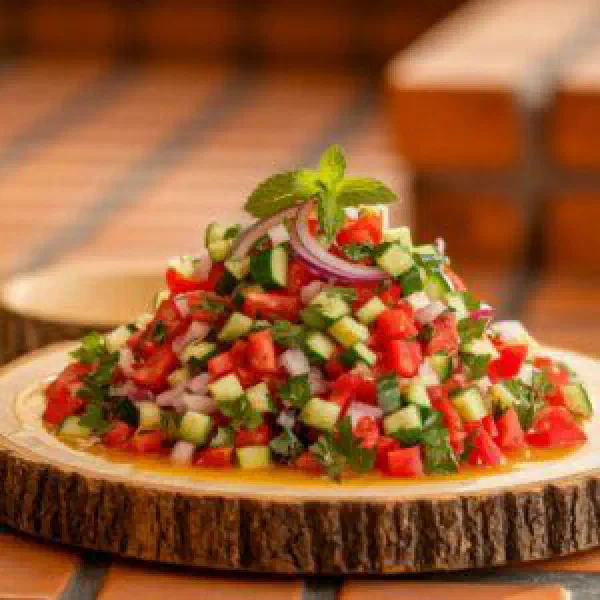
You can lift the presentation of your pita with fresh herbs and colourful vegetables. Serve the bread alongside small bowls of dips such as hummus, Baba Ganoush or Tabouleh. Dress the table with green herbs and flowering plants to create a welcoming atmosphere. An attractive serving platter can elevate the whole experience even further.
A bit of history
Pita has a long history stretching back more than 4,000 years, and it remains an essential food across many cultures of the Middle East and the Mediterranean. Originally these breads were a practical staple, easy to carry and quick to eat. Today they are a culinary speciality, used in countless ways in modern cooking. This hearty flatbread is nourishing and a symbol of cultural identity and tradition, and it sits at the heart of everyday Israeli cuisine.
More recipe ideas
Summary: Pita
Pita is a delicious, endlessly versatile bread that is genuinely simple to make. With a range of different fillings you can enhance and tailor any meal to suit your taste. Whether vegan, lactose-free or gluten-free, pita has something to offer everyone and brings the flavours of the Middle East straight into your kitchen. Enjoy both the making and the sharing of this wonderful, traditional bread.