National Dish Israel: Ptitim (Recipe)
In this article
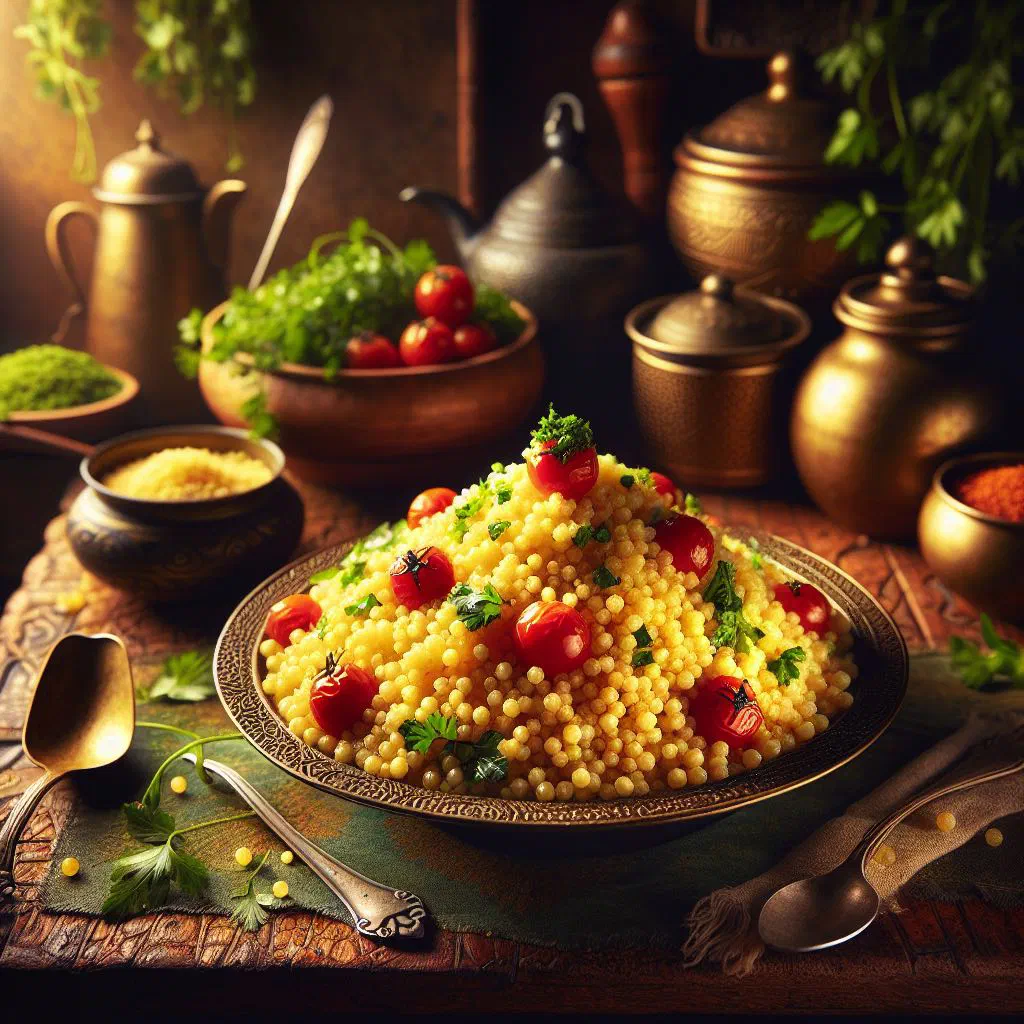
Meet Ptitim, the little toasted pasta pearls better known around the world as Israeli couscous. Golden, nutty and wonderfully versatile, they soak up whatever flavours you cook them with, from sautéed onion and garlic to a medley of fresh vegetables and herbs. A staple of Israeli home kitchens since the 1950s, Ptitim works just as happily as a comforting side as it does a light main, and this simple recipe brings that easy Middle Eastern charm straight to your table.
About Ptitim
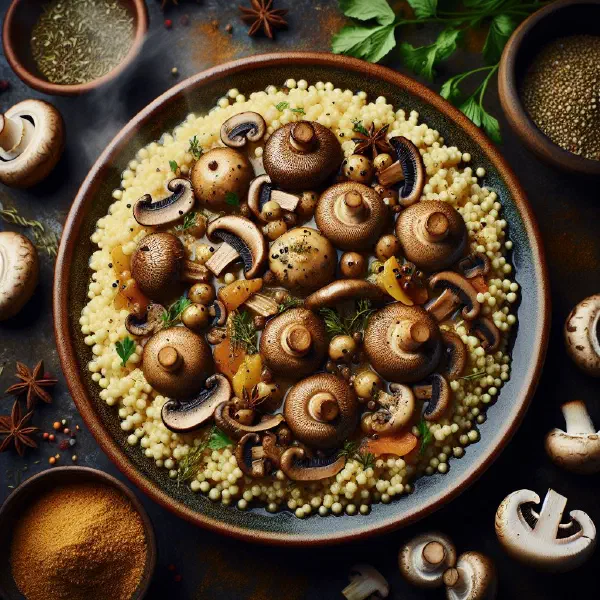
Ptitim, also known as Israeli couscous, are small, golden-toasted balls of wheat originally developed in the 1950s as a substitute for rice and pasta. These tiny pearls are remarkably versatile and lend themselves to a huge range of dishes. Ptitim can be served both as a side and as a main course, and they take on the flavours of the ingredients around them beautifully. Their enduring popularity in Israeli households makes them an indispensable part of Middle Eastern cuisine.
Ingredients (serves 1–2)
- 1 cup Ptitim
- 2 cups vegetable broth or water
- 1 tablespoon olive oil
- 1 onion, finely chopped
- 1–2 cloves of garlic, chopped
- Fresh vegetables (e.g. peppers, courgette) of your choice
- Fresh herbs (e.g. parsley, coriander)
- Salt and pepper to taste
Shopping for the ingredients
When shopping for the ingredients for Ptitim, it is worth choosing good-quality produce. The Ptitim themselves are available in most large supermarkets or in specialist grocery shops. Look for fresh vegetables and herbs to enrich the flavour of the dish. It is also worth reaching for unsaturated fats, such as olive oil, to create a healthy and well-balanced meal.
Preparing the dish
Preparing Ptitim is simple and takes only a few steps. Begin by chopping the vegetables and dicing the onion and garlic. This makes the later cooking easier, as everything is close to hand. Have the broth or water ready too, so you can get started the moment the vegetables hit the pan. This groundwork is a crucial step in making sure all the flavours harmonise well together.
Step-by-step instructions
- Heat the olive oil in a pan over medium heat.
- Add the chopped onion and garlic and sauté until soft and golden.
- Add the diced vegetables to the pan and cook everything for about 5 minutes.
- Stir in the Ptitim and mix well.
- Pour in the broth or water and bring the mixture to the boil.
- Reduce the heat and let it simmer gently for around 10–12 minutes, until the Ptitim have absorbed the liquid.
- Season the dish with salt, pepper and fresh herbs to taste, then serve hot.
Gluten-free / lactose-free version
To make Ptitim without gluten, you can turn to gluten-free grain alternatives. Reach for gluten-free couscous or quinoa instead, and if you are using vegetable broth, make sure it is certified gluten-free. For a lactose-free version, simply use plant-based oils for sautéing and enjoy the remaining ingredients freely, for a delicious meal that suits every diet.
Tips for vegans and vegetarians
Ptitim is a superb option for vegans and vegetarians, being rich in fibre and nutrients. To make the dish even more nourishing, add a variety of vegetables and pulses. Experimenting with spices and herbs is another fun way to discover new flavours. Consider plant-based protein sources such as chickpeas or black beans for a well-rounded meal.
More tips and tricks
To get the most out of your Ptitim, a few handy tools can help you refine the dish. A good non-stick pan keeps the vegetables from catching and burning. Play around with the cooking time to reach exactly the bite you prefer. Ptitim can also be made ahead of time, which makes it ideal for meal prep.
Adapting the recipe to your taste
The recipe for Ptitim is highly adaptable and easily tailored to different preferences. You can use different vegetables depending on the season, or even add meat to enrich the dish. Beyond that, you can vary the spices you use and try more exotic combinations to create new flavour profiles.
Ingredient substitutions
There are plenty of alternatives to the ingredients in a Ptitim recipe that are well worth trying. If you are not keen on olive oil, avocado oil or coconut oil work just as well. Instead of vegetable broth, you can perk up plain water with spices and herbs to achieve a similar effect. Even the choice of vegetables can vary entirely to your liking, so there is always variety in the dish, much like the flexible approach behind a plate of Couscous with Vegetables.
Drink pairing ideas
A range of drinks pairs wonderfully with a plate of Ptitim. A freshly pressed pomegranate juice brings a fruity note to the table and harmonises well with the flavours of the dish. Alternatively, a light white wine or sparkling water with lemon makes for a refreshing accompaniment. An unusual yoghurt drink can also be an interesting choice, especially if you are leaning into the Middle Eastern spirit of the meal.
Serving and presentation ideas
Presentation can greatly enhance the experience of eating Ptitim. Serve the dish in an attractive, shallow bowl and garnish with fresh herbs and perhaps some toasted nuts or seeds for extra crunch. Colourful vegetables add not just flavour but also eye-catching appeal. Remember to arrange the portions temptingly to whet your guests’ appetites, just as you might with a bright Israeli Salad.
A bit of history
Ptitim was introduced in the 1950s by the Israeli government to help meet food needs during the harvest and supply shortages of the time. As rice was hard to come by, this innovative pasta alternative was developed instead. Over the years, Ptitim has become firmly established in many Israeli households and is now enjoyed in a wide range of variations. It is a fine example of culinary adaptation and of traditions passed down through the generations, at the heart of Israeli cuisine.
More recipe ideas
Summary: Ptitim
To sum up, Ptitim, or Israeli couscous, is a delicious and versatile dish that adapts easily to different tastes and diets. Whether as a side or a main course, Ptitim offers a wealth of preparation methods and combinations. It is straightforward to make and open to individual tweaks that suit modern eating habits. Let Israeli cooking inspire you and enjoy the adventure of trying Ptitim for yourself.